Turn ETF ideas into real portfolios. Try the builder now →



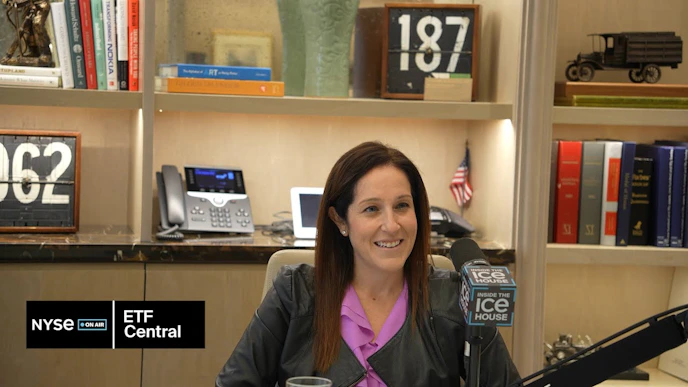
ETF Central Podcast host Bilal Little brings on Maital Legum, Director of Exchange Traded Products at the New York Stock Exchange (NYSE)—and someone who's seen more ETF launches than anyone else in the industry. In short, if there's someone you want walking you through the ETF machinery, it's her.
Maital has been with the NYSE for 14 years, witnessing the ETF space explode in scale and complexity.
What hasn’t changed?
Issuers still walk in thinking launching an ETF is like launching an IPO—newsflash: it’s not.
From Zero to Listing: What Issuers Get Wrong
Maital's role centers on guiding issuers through listing their funds on the NYSE. She started out helping asset managers get products to market, and now oversees the entire lifecycle of listings—from initial interest to post-launch management.
One major misconception?
Asset managers often think listing an ETF is a plug-and-play task. They know how to manage money, build portfolios, and sell to clients—but the ETF wrapper throws them into a whole new ecosystem.
Now they're dealing with things like:
- Exchange compliance
- All-day pricing and trading
- Partnering with market makers, authorized participants (APs), and custodians
- Public market scrutiny and real-time liquidity
This complexity shocks many first-timers. They go from filing a press release to needing five new relationships overnight.
Issuers: You're Not Just Listing a Ticker
Bilal calls out the elephant in the room—new issuers often treat their ETF listing like an IPO. As Maital puts it bluntly: if no one knows your ETF exists, no one cares how good your market quality is. Visibility and distribution planning should never be an afterthought.
And yet, that’s often the reality. Some issuers get caught up in logo design and PR timelines instead of figuring out who their market is, how they’ll distribute, and what role the exchange will play in managing that day-to-day operation.
The NYSE's Secret Sauce: Institutional Knowledge
At the NYSE, Maital’s team acts as in-house consultants.
Listing ETFs is part legal, part operational, and part babysitting. New issuers come in overwhelmed, with conflicting guidance from vendors, lawyers, and banks. The NYSE serves as the consistent sounding board to get them grounded.
And they're not just helping you ring the bell. They’re laying seeds for growth that could take years to bloom. Why? Because they only succeed if you do.
An ETF that doesn’t grow or trade is a dead ticker on their board.
Maital’s 5 Must-Do Moves Before Listing
If you’re thinking about launching an ETF, here’s Maital’s simplified checklist:
- Pick the Right Partners: Exchange, lawyers, custodians, market makers, APs—this team is your ETF’s backbone. Get it right early.
- Know Your Distribution Game Plan: Who's going to buy this thing? Have an actual sales strategy before launch day.
- Understand the Secondary Market: Once you're listed, your fund trades all day—are you ready for that reality?
- Plan for Compliance and Regulation: You’re entering a world of SEC oversight and exchange monitoring. Don’t wing it.
- Have a Real Business Case: If your idea is brilliant but nobody needs it, it's not a business—it's a passion project.
What Makes an ETF Succeed (and What Doesn’t)
The ETFs that thrive tend to have slow, methodical growth. Forget going viral. The industry is now listing over 1,000 ETFs a year—doubling last year's total. There’s too much noise for you to make a splash without a megaphone and a plan.
Maital stresses that success comes from realistic expectations.
You need a 3- to 5-year plan and the patience to let your ETF mature. Liquidations happen when issuers undercapitalize and burn out before their fund gets traction.
The Real Growth: Active Management & Structured Income
So where's the growth right now?
First, traditional asset managers are bringing decades-old strategies into the ETF wrapper.
It’s low-hanging fruit—same fund, different vehicle. Second, the industry is seeing a boom in income-generating and structured product ETFs, especially those mimicking hedge fund-like strategies but accessible to everyday investors.
These aren't your grandfather’s index ETFs. Post-2019 regulatory changes made complex strategies easier to launch, and retail investors now have access to what used to be gated products. There’s risk, yes—but also huge opportunity.
Crypto and the Generic Listing Era
Let’s talk crypto. A recent SEC move introduced “generic listing standards” for certain ETFs—meaning issuers can now list eligible crypto products (like Bitcoin and Ethereum ETFs) without going through a 240-day approval process.
Translation: crypto ETF listings just got a lot easier.
Maital expects a flood of new products from both traditional firms and crypto-native players who are brand new to managing public funds. There’s still regulation to meet, but the road is smoother now.
Where It’s All Going
Maital’s prediction? In the next 12 to 24 months, ETF launches and assets will continue to grow aggressively. Beyond that—expect a plateau.
We’ll see consolidation, some fund closures, and perhaps a trimming down of redundant offerings (do we really need 20 Bitcoin ETFs?).
Still, assets will grow. The ETF structure is sticky, and as active products get more creative, the space for innovation widens. Passive ETFs still take in more total dollars, but active strategies offer the best shot for new entrants.
Final Thoughts: ETF Is a Long Game
ETF issuers, take note: this isn’t about flashy launches or overnight success. It’s about understanding your market, assembling the right team, and being prepared for a grind. As Maital puts it: “Success is really patience.”
And don’t forget. There’s an ETF for that.
Please note this article is for information purposes only and does not in any way constitute investment advice. It is essential that you seek advice from a registered financial professional prior to making any investment decision.
Topics
See all
This article does not have a tagged topic
Segments
See all
No specific market segments were tagged
Mentioned ETFs
No specific ETFs were tagged



Expert-Built ETF Portfolios, All in One Place
Don’t start from scratch. Discover ready-made ETF portfolios built by professionals to match different goals, timelines, and market views. Use them as inspiration or as a starting point for your own allocation.