New

Ready-made ETF portfolios built for real investor needs. Explore now →

Advertisement
Advertisement

SPTSvsSHYETF Comparison

ETF 1
SPTS

State Street SPDR Portfolio Short Term Treasury ETF

This fund is part of
US Government Bonds
+0.17%
VS
ETF 2
SHY

iShares 1-3 Year Treasury Bond ETF

This fund is part of
US Government Bonds
+0.17%

State Street SPDR Portfolio Short Term Treasury ETF (SPTS) and iShares 1-3 Year Treasury Bond ETF (SHY) belong to the same industry segment: US Government Bonds. Both ETFs have the same top 3 sector exposures: and Sovereign. SPTS is less expensive with a Total Expense Ratio (TER) of 0.03%, versus 0.15% for SHY. SPTS is up 0.42% year-to-date (YTD) with +$344M in YTD flows. SHY performs worse with 0.36% YTD performance, and +$1.83B in YTD flows. Run a side-by-side ETF comparison of SPTS and SHY below, and assess how they stack up in performance, liquidity, risk, exposure, holdings, and more, helping you select the best ETF for your investments.

Find out how industry players manage ETF portfolios.  Discover our library of Model portfolios

SPTS vs SHY performance and flow charts

Performance

-0.6-0.5-0.4-0.3-0.2-0.10.0%Mar 9Mar 16Mar 23Mar 30Apr 7

Cumulative Flows

-200 M0 M200 M400 M600 M800 MMar 9Mar 16Mar 23Mar 30Apr 7

Get all the metrics on this page, and more, through a reliable ETF data feed

Daily, global ETF data for advanced analysis or integration into apps (API), from our partner Trackinsight.

Historic performance and flows
Data as of 04/08/2026
1M3MYTD1Y3Y5Y
Perf.
SPTS
SHY
-0.11%-0.13%
+0.37%+0.32%
+0.42%+0.36%
+3.54%+3.37%
+12.60%+12.11%
+9.44%+8.87%
Flows
SPTS
SHY
+$591M+$708M
+$268M+$1.94B
+$344M+$1.83B
+$175M+$2.39B
+$535M-$2.94B
+$3.36B+$6.53B
Volatility and drawdown
3M1Y3Y5Y
Volatility
SPTS
SHY
+1.37%+1.37%
+1.36%+1.35%
+1.69%+1.68%
+1.92%+1.90%
Max drawdown
SPTS
SHY
-0.85%-0.85%
-0.85%-0.85%
-1.58%-1.58%
-5.72%-5.73%
Max drawdown duration
SPTS
SHY
38d38d
38d38d
182d182d
1015d1035d
Trading data

Create an account to view trading data

Join for free
SPTS
SHY
Last sale
4/9/2026 at 1:30 PM
$29.12
$82.44
Previous close
04/08/2026
$29.11
$82.42
Consolidated volume
04/08/2026
Average volume
30 days
Average discount or premium
30 days
Average Bid/Ask spread
30 days
Replication quality
Data as of March 31, 2026
1-year trailing difference

Create an account to view replication metrics

Join for free

Create an account to view replication quality

Join for free
SPTS
SHY
Tracking error
Tracking difference
1 year cumulative return difference
Best
Worst
Daily return difference
Average
Worst
Advertisement
Main metrics
Last update 4/9/2026 at 1:30 PM
Live
Closed
SPTS
SHY
Last price
$29.12
$82.44
1D performance
+0.03%
+0.02%
AuM$6.22 B$25.33 B
E/R0.03%0.15%
Characteristics
SPTS
SHY
Management strategyPassivePassive
ProviderSPDRiShares
BenchmarkBloomberg US Treasury 1-3 Year IndexICE U.S. Treasury 1-3 Year Bond Index
N° of holdings7571
Asset classFixed IncomeBonds
Trailing 12m distribution yield
Join
Join
Inception dateNovember 30, 2011July 22, 2002
ESGNoNo
Advertisement
Exposure

Countries

SPTS
USA
98.98%
Other
1.02%
SHY
USA
100.01%
Other
-0.01%

Sectors

SPTS
Sovereign
74.84%
Other
25.16%
SHY
Sovereign
82.18%
Other
17.82%
Advertisement

Diversification

SPTS

Total weight of top 15 holdings out of 15

20.15%
SHY

Total weight of top 15 holdings out of 15

24.28%

Top 15 holdings

Data as of February 28, 2026
SPTS
USA, Notes 4.625% 15jun2027, USD (AP-2027)
1.50%
US91282CMV09
1.40%
USA, Notes 4.375% 15jul2027, USD (AQ-2027)
1.38%
USA, Notes 4.25% 15mar2027, USD (AL-2027)
1.38%
USA, Notes 4% 31jan2029, USD (U-2029)
1.37%
USA, Notes 3.75% 15aug2027, USD (AR-2027)
1.35%
USA, Notes 3.875% 15oct2027, USD (AT-2027)
1.34%
US91282CNL18
1.33%
USA, Notes 4.125% 15nov2027, USD (AU-2027)
1.33%
USA, Notes 2.875% 15may2028, USD (C-2028)
1.31%
US91282CMW81
1.31%
USA, Notes 3.375% 15sep2027, USD (AS-2027)
1.30%
USA, Notes 4.5% 15may2027, USD (AN-2027)
1.30%
USA, Notes 3.875% 15mar2028, USD (AL-2028)
1.29%
USA, Notes 2.75% 15feb2028, USD (B-2028)
1.28%
SHY
USA, Notes 4.25% 15mar2027, USD (AL-2027)
2.25%
USA, Notes 1.25% 30apr2028, USD (K-2028)
1.96%
USA, Notes 4.5% 15may2027, USD (AN-2027)
1.86%
USA, Notes 3.5% 31jan2028, USD (U-2028)
1.71%
USA, Notes 4.5% 15apr2027, USD (AM-2027)
1.65%
USA, Notes 2.625% 31may2027, USD (Z-2027)
1.60%
USA, Notes 1.25% 30jun2028, USD (M-2028)
1.60%
US91282CMV09
1.56%
USA, Notes 4.125% 15feb2027, USD (AK-2027)
1.55%
USA, Notes 3.75% 15aug2027, USD (AR-2027)
1.48%
USA, Notes 2.25% 15aug2027, USD (E-2027)
1.44%
USA, Notes 4.375% 15jul2027, USD (AQ-2027)
1.44%
USA, Notes 4.25% 15feb2028, USD (AK-2028)
1.40%
USA, Notes 3.875% 15oct2027, USD (AT-2027)
1.40%
USA, Notes 3.375% 15sep2027, USD (AS-2027)
1.40%
Frequently asked questions about SPTS and SHY

How have the SPTS and SHY ETFs performed in 2026?

As of April 8, 2026, SPTS is up 0.42% year-to-date (YTD), while SHY has returned 0.36%. That puts SPTS better performer ahead so far this year.

Which ETF is attracting more investor money: SPTS or SHY?

Year-to-date, the SPTS ETF saw +$344M in flows, compared to +$1.83B for SHY.

Which ETF is more volatile: SPTS or SHY?

Over the past year, SPTS had a volatility of 1.36%, while SHY experienced 1.35%.

Which ETF is bigger: SPTS or SHY?

As of April 8, 2026, SPTS holds $6.22 B in assets under management (AUM), while SHY manages $25.33 B.

What sectors do the SPTS and SHY ETFs invest in?

SPTS leans toward sectors like Sovereign. Meanwhile, SHY focuses on Sovereign.

What are the top holdings of the SPTS ETF and SHY ETF?

SPTS top holdings include USA, Notes 4.625% 15jun2027, USD (AP-2027), US91282CMV09 and USA, Notes 4.375% 15jul2027, USD (AQ-2027). SHY holds in its top three: USA, Notes 4.25% 15mar2027, USD (AL-2027), USA, Notes 1.25% 30apr2028, USD (K-2028) and USA, Notes 4.5% 15may2027, USD (AN-2027).

Which ETF is more diversified: SPTS or SHY?

SPTS holds 96 securities with 20.15% of its assets in the top 15. SHY has 90 securities and a top 15 weight of 24.28%.

Advertisement
Advertisement
Advertisement
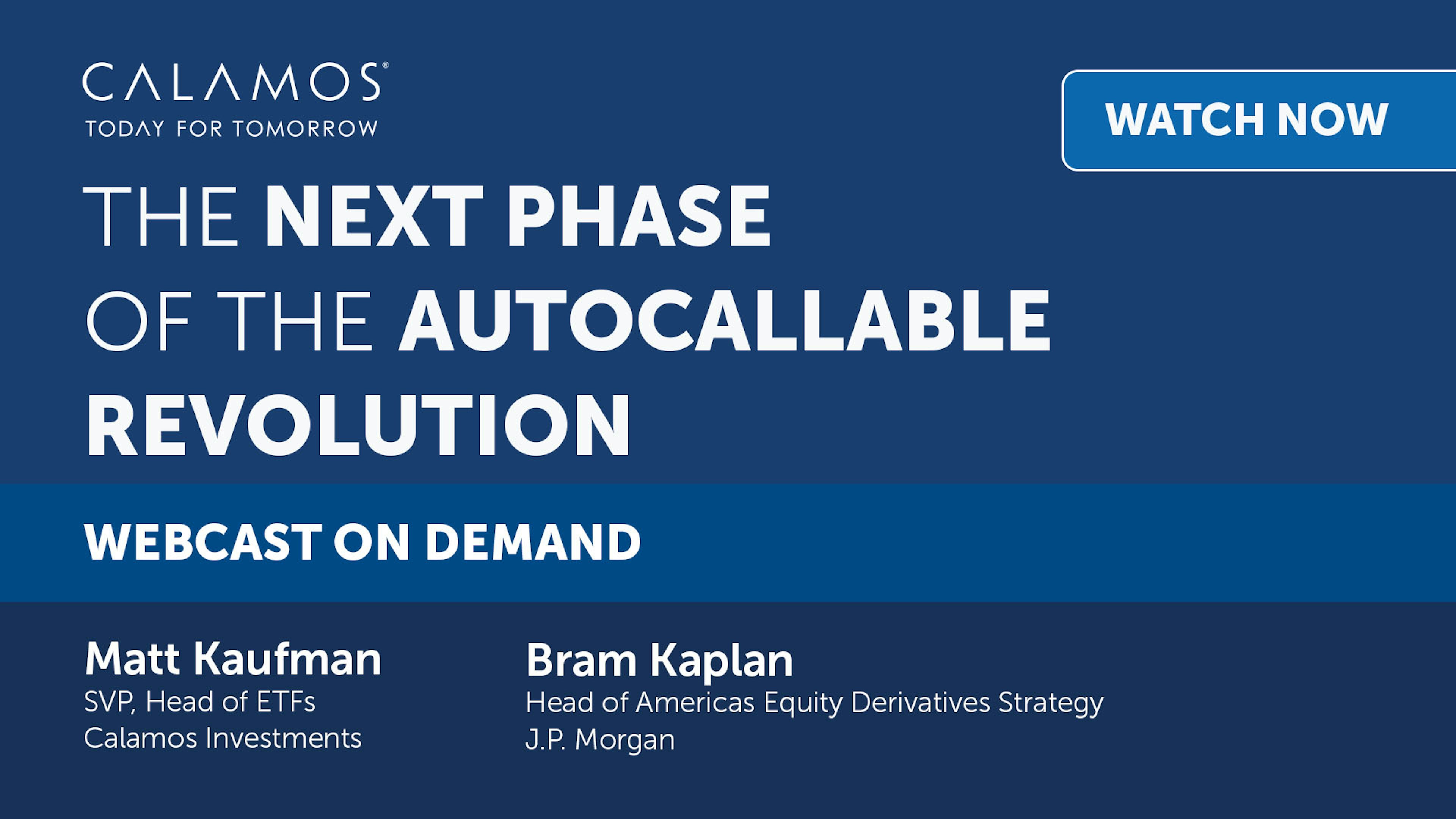
Webcast on Demand

Calamos Investments Powers the Next Phase of the Autocallable Revolution

Join J.P. Morgan’s Bram Kaplan, Head of Americas Equity Derivatives Strategy and Matt Kaufman from Calamos Investments as they dive into the growing global opportunity in autocallable income—an increasingly dominant strategy within structured products, now available through ETFs.

Accepted for 1 CE Credit

Calamos Webcast