Open Now: The Global ETF Survey Take the Survey →




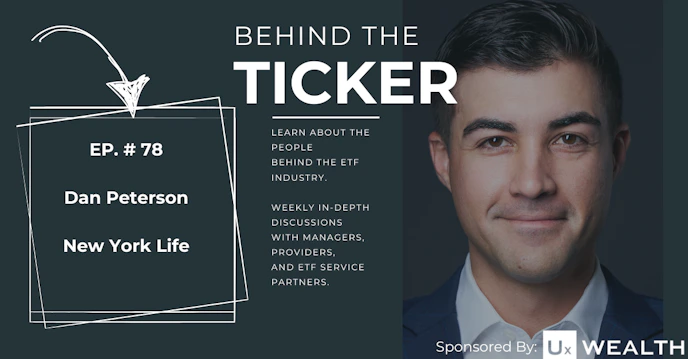
In a recent episode of Behind the Ticker, Dan Petersen, Head of Product Management at New York Life Investments, discussed the firm’s international equity strategy and the mechanics behind the New York Life Investments FTSE International Equity Currency Neutral ETF
HFXI was designed to provide a balanced approach to international investing by hedging 50% of currency exposure while maintaining full equity market exposure. Petersen explained that historically, investors in international equities had to accept full currency exposure by default, which could add or detract significantly from returns depending on currency fluctuations. Fully hedged products emerged to remove this risk entirely, but many investors found it difficult to time when to hedge and when not to. HFXI was created to offer a middle ground—allowing investors to benefit from currency movements when favorable while reducing the risk of extreme fluctuations.
The fund achieves this partial hedge by using forward contracts that are rolled monthly, adjusting for changes in currency valuations. Petersen highlighted that currency exposure can have a substantial impact on performance, often contributing or detracting by as much as 600 to 1,000 basis points annually. By hedging half the exposure, HFXI aims to smooth out volatility while still allowing investors to participate in foreign currency strength when it occurs. This strategy is particularly beneficial in periods of global economic stability when foreign currencies tend to appreciate, as well as in risk-off environments where excessive currency exposure can compound equity drawdowns.
Petersen positioned HFXI as a long-term core allocation within international equity portfolios. Advisors can use it as a standalone replacement for unhedged international ETFs or pair it with traditional market-cap-weighted international funds to create a customized level of currency exposure. He also pointed out that international equities currently present a compelling valuation opportunity, with price-to-earnings ratios at historically attractive discounts compared to U.S. markets. Given the extreme valuation gap between U.S. and international stocks, he suggested that now may be an opportune time for investors to consider increasing international exposure.
Please note this article is for information purposes only and does not in any way constitute investment advice. It is essential that you seek advice from a registered financial professional prior to making any investment decision.



The ETF Industry Is Evolving Fast
From AI infrastructure to active strategies, the ETF landscape is shifting. Share your perspective in the 7th Annual Global ETF Survey and get exclusive early access to the final report.