Open Now: The Global ETF Survey Take the Survey →



SEC Approves Spot Ethereum ETFs: Here's What You Need to Know
Here's the takeaway for you as a prospective retail investor or advisor looking to add these new ETFs to your portfolio upon their debut.


Keep up with what matters in ETFs
Get timely ETF insights, market trends, and top ideas straight to your inbox.
Your newsletter subscriptions with us are subject to ETF Central's Privacy Policy and Terms and Conditions.
On May 23rd, the SEC greenlit the creation of ETFs that will hold Ethereum directly, rather than through derivatives like futures contracts. This move is set to provide investors with a more straightforward exposure to Ethereum, the second-largest cryptocurrency by market capitalization.
The recent approval of spot Ethereum ETFs by the SEC marks yet another milestone in the evolution of cryptocurrency investment products. This development comes shortly after the historic approval of 11 spot Bitcoin ETFs, indicating a growing regulatory acceptance of direct cryptocurrency investments.
It's important to note, however, that this approval is just the beginning. The SEC must still review and approve the individual prospectuses submitted by issuers such as Hashdex, ARK 21Shares, BlackRock, Grayscale, Fidelity, Invesco Galaxy, VanEck, and Franklin Templeton. The exact timeline for when these ETFs will actually be available on the market remains uncertain.
This decision is a significant step forward for investors looking to integrate cryptocurrencies into their portfolios in a regulated and potentially more secure format. Here’s what you need to know about this pivotal development and what to look forward to as the details unfold.
The ETF Industry Is Evolving Fast
From AI infrastructure to active strategies, the ETF landscape is shifting. Share your perspective in the 7th Annual Global ETF Survey and get exclusive early access to the final report.
What concerns did the SEC have regarding Spot Ether ETFs?
The SEC has prioritized investor protection in its approval of spot Ethereum ETFs, ensuring that these funds operate within a secure and transparent framework. Basically, they've mandated and reaffirmed several measures designed to make sure these new ETFs operate under enhanced safeguards.
Firstly, the SEC requires ETF issuers to establish partnerships with the Chicago Mercantile Exchange (CME) called "surveillance sharing agreements."
This is important because it helps keep the Ethereum prices in the futures market aligned with those in the spot market. Such agreements aid in monitoring any suspicious trading patterns that might indicate market manipulation, helping to keep the market fair for everyone.
Additionally, transparency is a key focus. The SEC mandates that ETFs update their portfolio holdings daily on their websites. This transparency allows you as an investor to see exactly what assets are held by the ETF at any time, making it easier to make informed decisions.
Finally, they also need to provide real-time updates on the value of the ETF shares. This includes intra-day indicative values — essentially snapshots of the ETF’s value at different times — and the net asset value, which is the total value of all the assets in the ETF minus its liabilities.
The purpose of this is to give you an accurate assessment of the ETF's true value throughout the trading day, as in extreme circumstances it could diverge from its market price.
Is Ether a security or commodity?
The approval of spot Ethereum ETFs opens a new chapter for cryptocurrency investments, but significant uncertainties and potential regulatory hurdles remain. One of the key issues is the ongoing debate over whether Ethereum should be classified as a commodity or a security.
Matthew Siegel, Head of Digital Assets Research at VanEck points out that several factors support the classification of Ethereum as a commodity. Notably, Ethereum futures are traded and regulated by the Commodity Futures Trading Commission (CFTC), similar to other commodities.
From his point of view, regulatory oversight, coupled with federal court rulings and the launch of a spot Ethereum ETF, bolsters the argument for its commodity status.
On the other hand, detractors argue that Ethereum's unique feature of "staking" should preclude its classification as a commodity. Staking involves committing your Ethereum to support the network and validate transactions, in return for rewards.
Legally, some argue that this process could be viewed as an investment contract, where investors expect a return generated by the efforts of others, aligning it more closely with the definition of a security.
If Ethereum is ultimately deemed a security, it would be subject to stricter regulations, such as those enforced by the SEC, which could significantly impact how it is marketed, traded, and managed.
In response to these regulatory complexities, ETF issuers have opted to exclude staking features from their filings entirely to speed up the process and likelihood of approval.
This move was reminiscent of the early days of Bitcoin ETFs, where the SEC approved the products but imposed certain limitations, such as mandating cash creations instead of allowing in-kind processes.
Ultimately, the situation with Ethereum is fluid, and issuers are navigating a landscape that is still being shaped by regulatory decisions. But for now, the approval of spot Ethereum ETFs represents a significant milestone. It is a moment for the industry to celebrate, even as it prepares for the challenges ahead.
Please note this article is for information purposes only and does not in any way constitute investment advice. It is essential that you seek advice from a registered financial professional prior to making any investment decision.


Latest ETF News
See all ETF newsMoneyShow Chart of the Day 7/16/26: Good News/Bad News on Inflation (and the Fed)


MoneyShow Chart of the Day 7/1/26: The H1 Scorecard – and What Comes Next

MoneyShow Chart of the Day 6/22/26: Are World Cup Videos Helping US Companies Clean Up?

MoneyShow Chart of the Day 6/3/26: AI. AI. AI. (And a Handful of Other Stocks, Too)




 Advantages of ETFs over Mutual Funds1/6
Lower Costs
In this guide, we'll explore the advantages of ETFs over mutual funds, giving you valuable insights into why ETFs have gained significant popularity among investors like yourself.
Leveraged ETFs: Unlocking the Potential for Amplified Returns1/6
Understanding Leveraged ETFs
Explore leveraged ETFs: potential for amplified returns & risks. 5 ETFs to consider across equities, commodities & fixed income.
What is a Leveraged ETF?1/6
Introducing Leveraged and Inverse ETFs
In this guide, we'll dive into the world of leveraged ETFs, exploring their definition, mechanics, potential risks, and rewards.
Recent educational content

ETF Trends
ETF Industry KPIs July 13, 2026
This week’s KPI data overview highlights key metrics and trends shaping the ETF landscape.


First Look ETF
First Look ETF: Cash Deployment, Bond, and Hedged ETFs
In this season 6 episode of First Look ETF, Stephanie Stanton examines the latest ETF marketplace trends with NYSE and guests.

ETF Trends
ETF Industry KPIs July 6, 2026
This week’s KPI data overview highlights key metrics and trends shaping the ETF landscape.
Asset TV
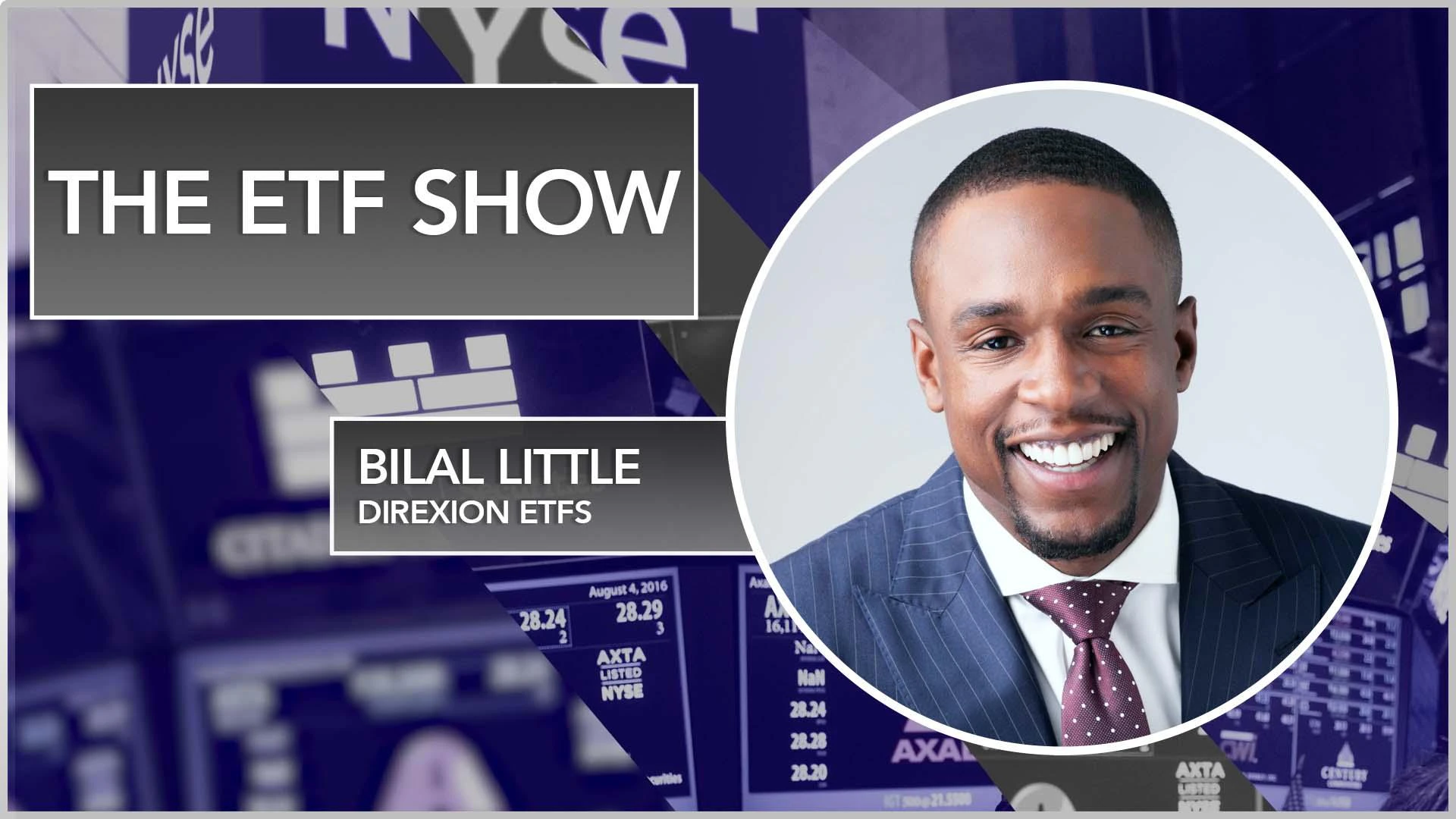
The ETF Show - The Evolution of Leveraged & Inverse ETFs
Leveraged and inverse ETFs have exploded in popularity over the past decade capturing more assets as retail traders seek to capture volatility.

Browse all educational columns



Build and Analyze Your ETF Portfolio Like a Pro
Create your own ETF portfolio in minutes and instantly see allocations, exposures, performance, and risk. Visualize diversification across asset classes, regions, and sectors. Stress-test ideas, compare benchmarks, and refine your strategy with professional-grade analytics.