NYSE CRTR Economy Event Watch the replay →



Factor series – High dividend yield ETFs
Many investors favor high dividend yield stocks because they don’t want their return to be based solely on stock price appreciation, especially when share prices are so volatile.


Keep up with what matters in ETFs
Get timely ETF insights, market trends, and top ideas straight to your inbox.
Your newsletter subscriptions with us are subject to ETF Central's Privacy Policy and Terms and Conditions.
Benjamin Graham, Warren Buffett and Charlie Munger are famous “value” investors. A common way to convey a value investment style is through investing in high dividend yield investments. A high dividend yield shows that an investment produces a tangible cash return on a regular basis (provided that the dividend yield is stable). However, instead of taking the risk of investing in a singular stock, which may or may not cut its dividend in the future. Investors may gain exposure to high dividend yield investments through ETFs which, due to their diversification characteristics, lowers individual security risk.
Like what you're reading?
Stay in the loop — get the latest ETF insights: trends, analysis, and expert picks.
Introduction to high dividend yield stocks
When considering whether a dividend yield ETF might be a suitable investment, it is important to pay attention to the individual securities that comprise the fund. Dividend yield is a term that helps investors evaluate the potential return of every dollar invested. While the actual stock price may fluctuate widely, a dividend can provide investors with more security knowing that they will receive a tangible amount of cash in return.
Dividend yield is calculated as the dividend per share divided by the price per share (usually on an annual basis). In other words, it can be described as: how many dollars of dividends I am receiving for the price that I am currently paying. A stock that has a dividend yield of 5% means that for every $1 I invest in this stock, I should expect $0.05 every year.
Now, this is not always the case, as some companies raise or cut their dividend over time. Also, the fluctuation of a stock’s price will impact the dividend yield as well.
Attractiveness of high dividend yield stocks
Many investors favor high dividend yield stocks because they don’t want their return to be based solely on stock price appreciation, especially when share prices are so volatile. If an investor is happy with a 5% dividend yield, and they are confident that the dividend yield will not be cut, then essentially they needn’t worry about the stock price and can continue holding the stock and receiving their dividend consistently.
Of course, the important part of high dividend investing is to try and find companies that have a stable, growing dividend that is supported by the free cash flow generation of the company. Some examples include Coca-Cola, Proctor & Gamble, and AT&T to name a few. These are ‘defensive’ stocks that generally do well in times of slow economic growth or recession since investors can count on the stability of their dividends.
High dividend yield stocks come in handy for investors who would like to have a consistent stream of income. However, it must be noted that these investments are subject to normal risks expected of any equity investment. Furthermore, investors should keep in mind that dividend income is an automatic taxable event in most cases, whereas with stock appreciation an investor can choose when to trigger their taxable event.
Examples of High Dividend Yield ETFs
Some examples of high dividend yield ETFs include:
VYM (Vanguard High Dividend Yield ETF)
AUM: $48.7B
Expense Ratio: 0.06%
YTD performance: -3.0%
SCHD (Schwab U.S. Dividend Equity ETF)
AUM: $40.5B
Expense Ratio: 0.06%
YTD performance: -6.3%
DGRO (iShares Core Dividend Growth ETF)
AUM: $23.7B
Expense Ratio: 0.08%
YTD performance: -10.3%
Data for this article is as of October 31, 2022.
Please note this article is for information purposes only and does not constitute investment advice.
Latest ETF News
See all ETF newsETF Contrarian Corner: Two Unloved Segments That Investors Are Ignoring


The Super El Niño Trade: Two Potential ETF Winners and Losers


The SpaceX (SPCX) IPO: Here's Which ETFs Already Own it



 Advantages of ETFs over Mutual Funds1/6
Lower Costs
In this guide, we'll explore the advantages of ETFs over mutual funds, giving you valuable insights into why ETFs have gained significant popularity among investors like yourself.
Leveraged ETFs: Unlocking the Potential for Amplified Returns1/6
Understanding Leveraged ETFs
Explore leveraged ETFs: potential for amplified returns & risks. 5 ETFs to consider across equities, commodities & fixed income.
What is a Leveraged ETF?1/6
Introducing Leveraged and Inverse ETFs
In this guide, we'll dive into the world of leveraged ETFs, exploring their definition, mechanics, potential risks, and rewards.
Recent educational content
Asset TV
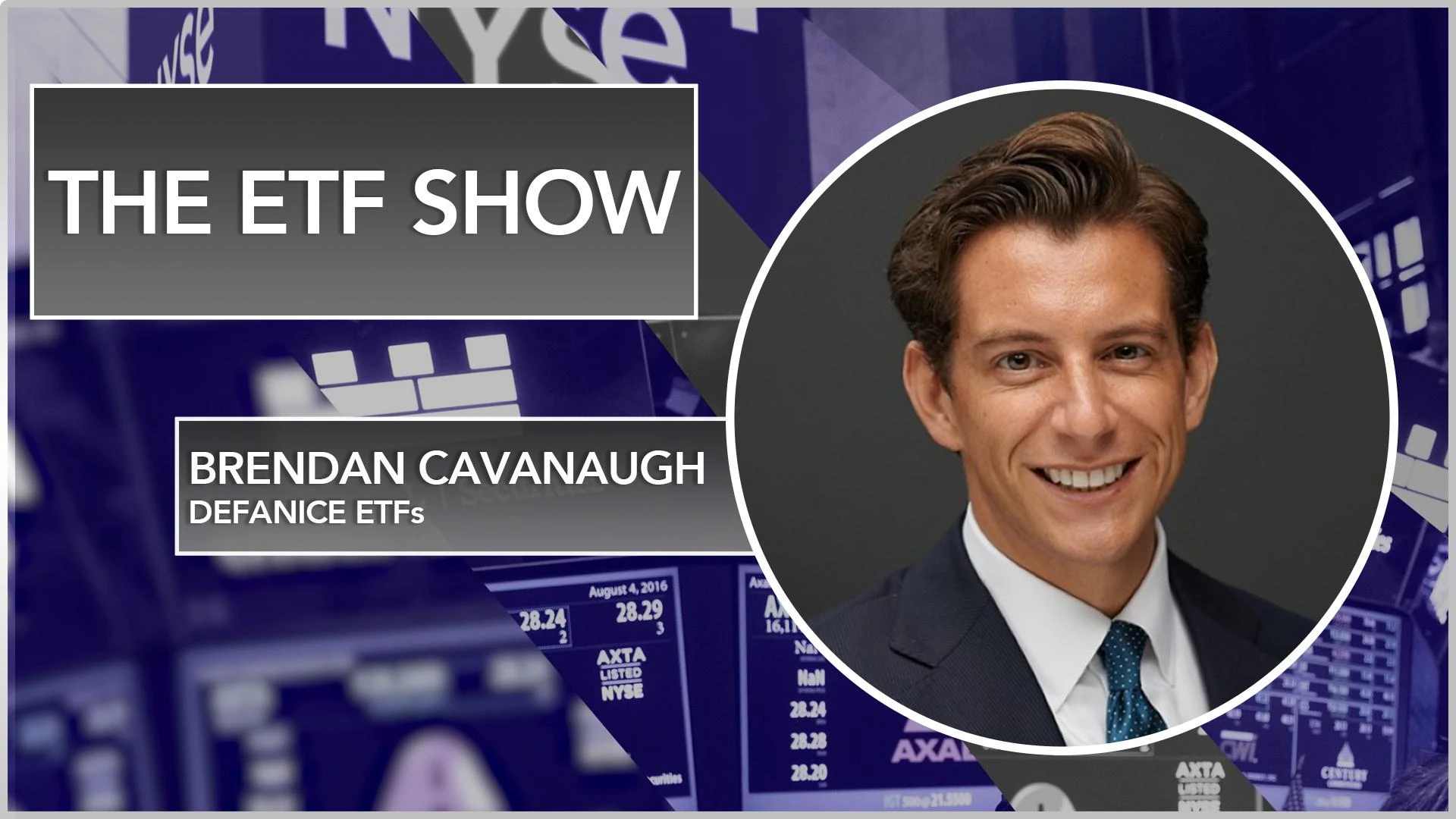
The ETF Show - New Autism-Impact ETF Launched
Defiance ETFs has launched the first ETF, $ASD, focused on the autism ecosystem, investing in companies that provide services, products, and research related to autism and neurodivergence.


ETF Trends
ETF Industry KPIs June 1, 2026
The ETF Industry saw 22 New Launches, 1 Ticker Change and 1 closure last week.

ETF Trends
ETF Industry KPIs May 20, 2026
The ETF Industry saw 44 New Launches, 3 Mutual Fund Conversions and 9 closures last week.
Asset TV
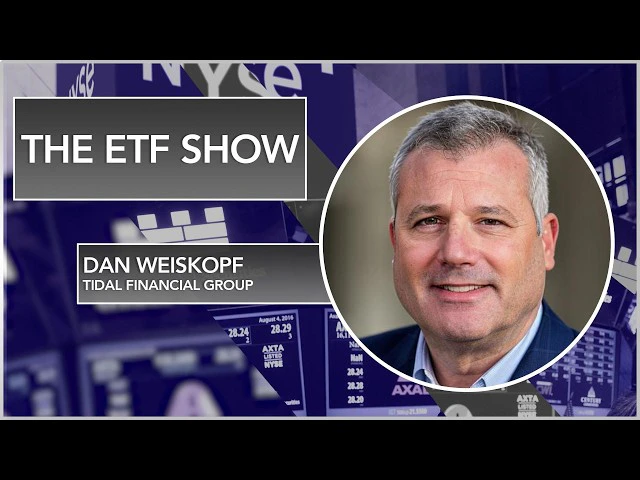
The ETF Show - Politics Becomes Investable Trade through ETFs
Dan Weiskopf, Senior Portfolio Manager at Tidal Financial Group spoke with the ETF Show about Subversive ETFs that help investors trade like politicians.
Browse all educational columns



Expert-Built ETF Portfolios, All in One Place
Don’t start from scratch. Discover ready-made ETF portfolios built by professionals to match different goals, timelines, and market views. Use them as inspiration or as a starting point for your own allocation.