Explore professionally built ETF model portfolios. Discover now →



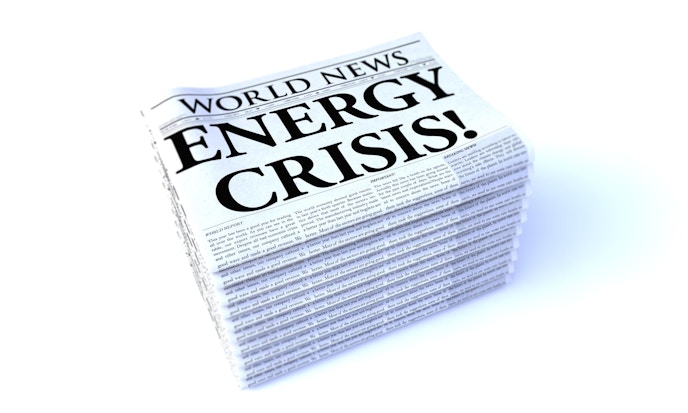
European energy crisis - ETFs to speculate and hedge with
Investors can use ETFs to go long and short based on global geopolitical events.

Keep up with what matters in ETFs
Get timely ETF insights, market trends, and top ideas straight to your inbox.
Your newsletter subscriptions with us are subject to ETF Central's Privacy Policy and Terms and Conditions.
Russia recently switched off the Nord Stream 1, Europe's main gas pipeline in response to Western sanctions against its invasion of Ukraine. This pipeline is responsible for pumping natural gas from St. Petersburg to Germany and is of vital importance for Western Europe.
These actions confirmed the Kremlin's intent to retaliate by weaponizing its energy reserves and exports. The political, economic, and social ramifications of these actions are beyond my expertise or scope, but for now it's sufficient to note that the markets will respond.
I think examining how the average investor could hedge or speculate around this event is worthy of discussion. Investors can use a slew of ETFs to either go long or short on European equities or natural gas prices based on their predictions for how this crisis plays out.
Let's look at some possible ETFs to employ by using the ETF Central Screener.
Like what you're reading?
Stay in the loop — get the latest ETF insights: trends, analysis, and expert picks.
Betting on European stocks
European equities haven't performed well recently compared to the world overall. Year-to-date, the SPDR Euro Stoxx 50 Index ETF (FEZ) is down 29%, compared to the 20% loss suffered by the iShares MSCI ACWI ETF (ACWI).
The reasons for this underperformance include persistently high inflation in many Eurozone countries, a falling Euro that recently reached parity with the U.S. dollar, and the energy crisis which has battered the utilities and industrials sector.
Investors who remain bullish on a European market rebound can use the following ETFs to go long. Some of these ETFs are leveraged, offering magnified daily exposure. Keep in mind that the long-term performance of these funds can vary wildly due to compounding and volatility decay.
- iShares Core MSCI Europe ETF (IEUR): 1x normal long exposure.
- ProShares Ultra FTSE Europe ETF (UPV): 2x leveraged long exposure.
- Direxion Daily FTSE Europe Bull 3x Shares ETF (EURL): 2x leveraged long exposure.
Investors can also use the following inverse ETFs to go short on European equities with leverage. These ETFs are also intended for short-term holding periods as trading instrument. Over longer periods, their share price can decay significantly, with reverse splits being common.
- ProShares UltraShort FTSE Europe ETF (EPV): 2x leveraged short exposure.
Betting on natural gas
Natural gas was one of the strongest performing commodities in 2022 even compared to soaring crude oil and foodstuff prices. After Gazprom refused to turn on Nord Stream 1 on Friday, September 2nd after three days of maintenance, benchmark natural gas futures jumped around 35%.
Investors who want to gain natural gas exposure can buy commodities ETFs, which hold natural gas futures contracts. These are derivatives consisting of a legal agreement to buy or sell an asset at a predetermined price at a future specified date, hence the name.
The important thing to note with commodity investing is that futures contracts don't track the underlying asset perfectly and can decay in price over time. I explored this topic in an earlier article on contango/backwardation, so give it a read.
Still, natural gas ETFs are an acceptable choice for most retail investors who do not have the knowledge or capital requirements to trade futures directly. These ETFs can also come in leveraged and inverse forms, which causes heightened price decay due to how volatile the underlying commodities are.
- United States Natural Gas Fund (UNG): 1x normal long exposure.
- ProShares Ultra Bloomberg Natural Gas ETF (BOIL): 2x leveraged long exposure.
- ProShares UltraShort BLOOMBERG NATURAL GAS (KOLD): 2x leveraged short exposure.
Investors who want to avoid the additional complexity and risk of futures-based ETFs can use industry-specific ETFs that target companies involved in natural gas exploration, development, production, or distribution. Keep in mind that these ETFs may exhibit greater tracking error with natural gas spot prices, and a higher correlation with the broader energy sector and stock market. They can also come in leveraged and inverse variants.
- First Trust Natural Gas ETF (FCG): holds a portfolio of 49 U.S. natural gas companies.
Please note this article is for information purposes only and does not constitute investment advice.
Mentioned ETFs
Further reading

Latest ETF News
See all ETF newsMoneyShow Chart of the Day 9/4/26: Don't Just Watch Oil. Watch THESE.


Chart of the Day 8/14/26: The Great "Hot Money" Migration

MoneyShow Chart of the Day 7/29/26: Now, THAT's What I Call Market Rotation!

MoneyShow Chart of the Day 7/16/26: Good News/Bad News on Inflation (and the Fed)




 Advantages of ETFs over Mutual Funds1/6
Lower Costs
In this guide, we'll explore the advantages of ETFs over mutual funds, giving you valuable insights into why ETFs have gained significant popularity among investors like yourself.
Leveraged ETFs: Unlocking the Potential for Amplified Returns1/6
Understanding Leveraged ETFs
Explore leveraged ETFs: potential for amplified returns & risks. 5 ETFs to consider across equities, commodities & fixed income.
What is a Leveraged ETF?1/6
Introducing Leveraged and Inverse ETFs
In this guide, we'll dive into the world of leveraged ETFs, exploring their definition, mechanics, potential risks, and rewards.
Recent educational content

ETF Trends
ETF Industry KPIs September 8, 2026
This week’s KPI data overview highlights key metrics and trends shaping the ETF landscape.

ETF Trends
ETF Industry KPIs August 31, 2026
This week’s KPI data overview highlights key metrics and trends shaping the ETF landscape.
ETF Trends
ETF Industry KPIs August 24, 2026
This week’s KPI data overview highlights key metrics and trends shaping the ETF landscape.
What’sTheFund
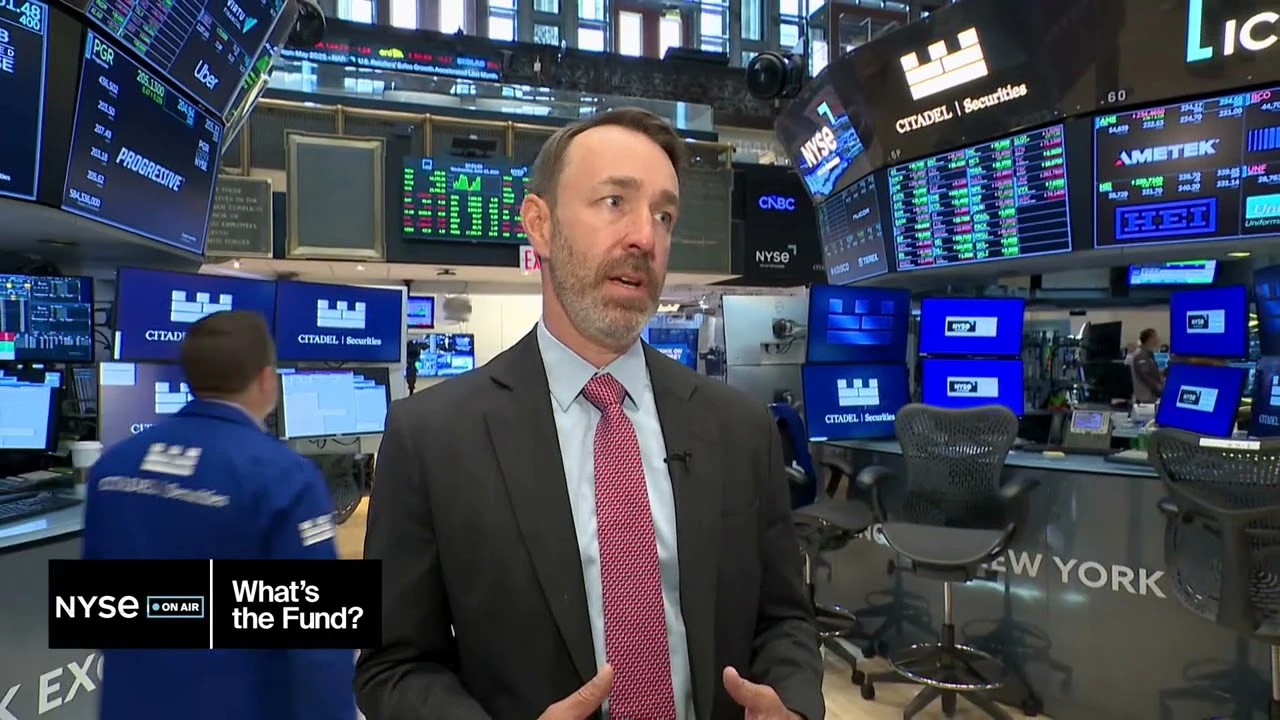
What's the Fund | Ocean Park Diversified Income ETF (DUKZ)
James St Aubin, Chief Investment Officer at Ocean Park Asset Management, discuss the DUKZ ETF, exposing investors to the whole spectrum of asset classes in the fixed income markets, through their rules-based process.

Browse all educational columns



Expert-Built ETF Portfolios, All in One Place
Don’t start from scratch. Discover ready-made ETF portfolios built by professionals to match different goals, timelines, and market views. Use them as inspiration or as a starting point for your own allocation.