Keep tabs on your favorite ETFs with a personalized weekly tracker. Create a Watchlist now →



What are ETFs?
Exchange-Traded Funds (“ETFs”) are one of the most popular investment products today. Investors throughout the world have adopted ETFs for their many benefits such as quick diversification, low costs, and easy trading. As their name suggests, ETFs have two defining characteristics: they are funds, and they trade on an exchange, sounds simple, right? Here’s a quick guide to help you get to know ETFs even better.
Top and bottom ETFs of the week
Data period: March 9, 2026
Performance lists exclude leveraged and inverse ETFs
Exchange-Traded Funds (“ETFs”) are one of the most popular investment products today. Investors throughout the world have adopted ETFs for their many benefits such as quick diversification, low costs, and easy trading. As their name suggests, ETFs have two defining characteristics: they are funds, and they trade on an exchange, sounds simple, right? Here’s a quick guide to help you get to know ETFs even better. Now, mutual funds used to be the most commonly bought fund product – this would be what your parents or even grandparents would have invested in - but ETFs are rapidly replacing mutual funds in many personal and professional investment portfolios as they are typically cheaper than mutual funds, can be traded at any time that the exchange is open (unlike mutual funds that only traded once a day) and often have lower minimum investment levels meaning smaller investors can participate in the markets.
As ETFs contain multiple securities, they are also good for investors who don’t want to put all their eggs in one basket, and because ETFs trade on stock exchanges they can be bought and sold as easily as a share. Read more about diversification here.
What is an exchange-traded fund? ETFs are a specific type of fund that are listed and traded on exchanges. This characteristic has many benefits for investors and makes buying and selling shares of ETFs easier and faster than traditional funds.
What is an exchange? An exchange is a marketplace where investors can buy and sell company shares or other financial instruments, like ETFs. Famous examples of exchanges include the New York Stock Exchange (NYSE) and Nasdaq in the US, the London Stock Exchange (LSE) and Euronext in Europe or the Tokyo Stock Exchange in Asia. Read more about exchanges.

 Advantages of ETFs over Mutual Funds1/6
Lower Costs
In this guide, we'll explore the advantages of ETFs over mutual funds, giving you valuable insights into why ETFs have gained significant popularity among investors like yourself.
Leveraged ETFs: Unlocking the Potential for Amplified Returns1/6
Understanding Leveraged ETFs
Explore leveraged ETFs: potential for amplified returns & risks. 5 ETFs to consider across equities, commodities & fixed income.
What is a Leveraged ETF?1/6
Introducing Leveraged and Inverse ETFs
In this guide, we'll dive into the world of leveraged ETFs, exploring their definition, mechanics, potential risks, and rewards.
Recent educational content
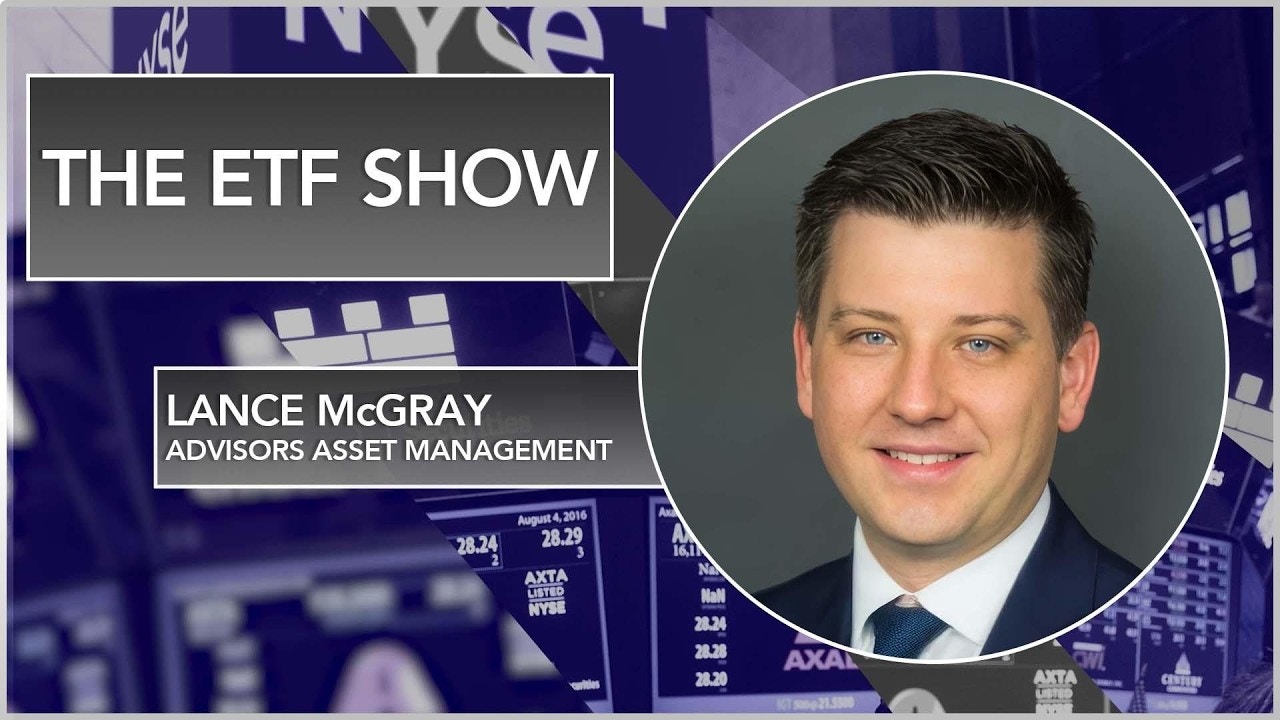
Asset TV
The ETF Show - US-Iran Conflict Sends Oil ETFs Soaring
Lance McGray, Managing Director and Head of ETF Product at Advisors Asset Management joins The ETF Show.

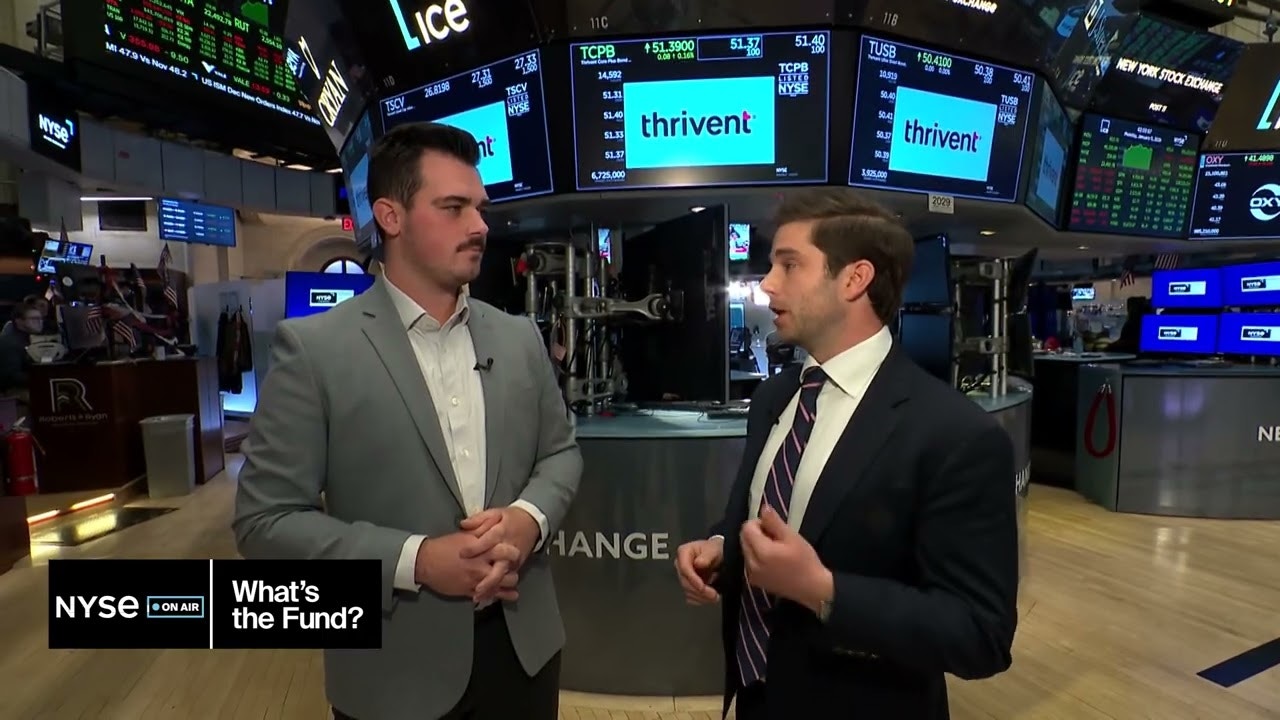
What’sTheFund
What's the Fund | Thrivent Small Cap Value ETF (Ticker: TSCV)
Kyle Detullio, ETF Capital Markets Specialist at Thrivent Asset Management, joins Ethan Hertzfeld on the NYSE trading floor to discuss the Thrivent Small Cap Value ETF (TSCV).

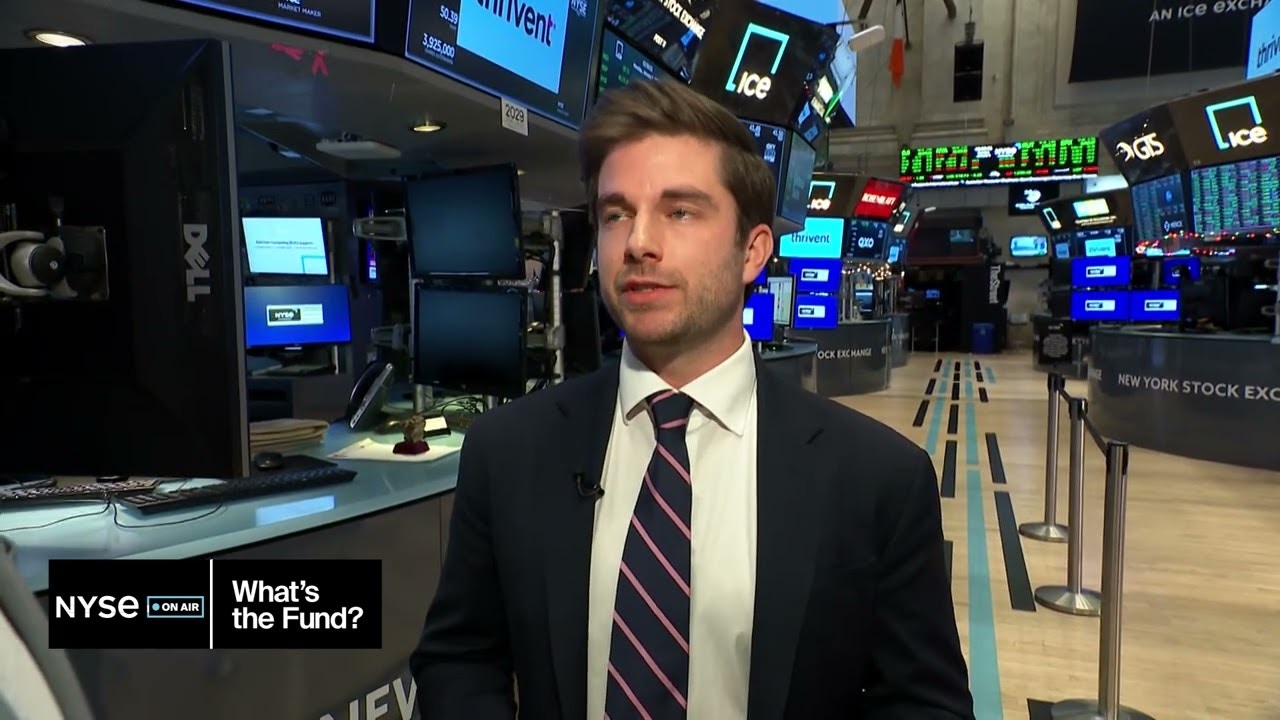
What’sTheFund
What's the Fund | Thrivent Small-Mid Cap Equity ETF (Ticker: TSME)
Kyle Detullio, ETF Capital Markets Specialist at Thrivent Asset Management, joins Ethan Hertzfeld on the NYSE trading floor to discuss the Thrivent Small-Mid Cap Equity ETF (TSME).
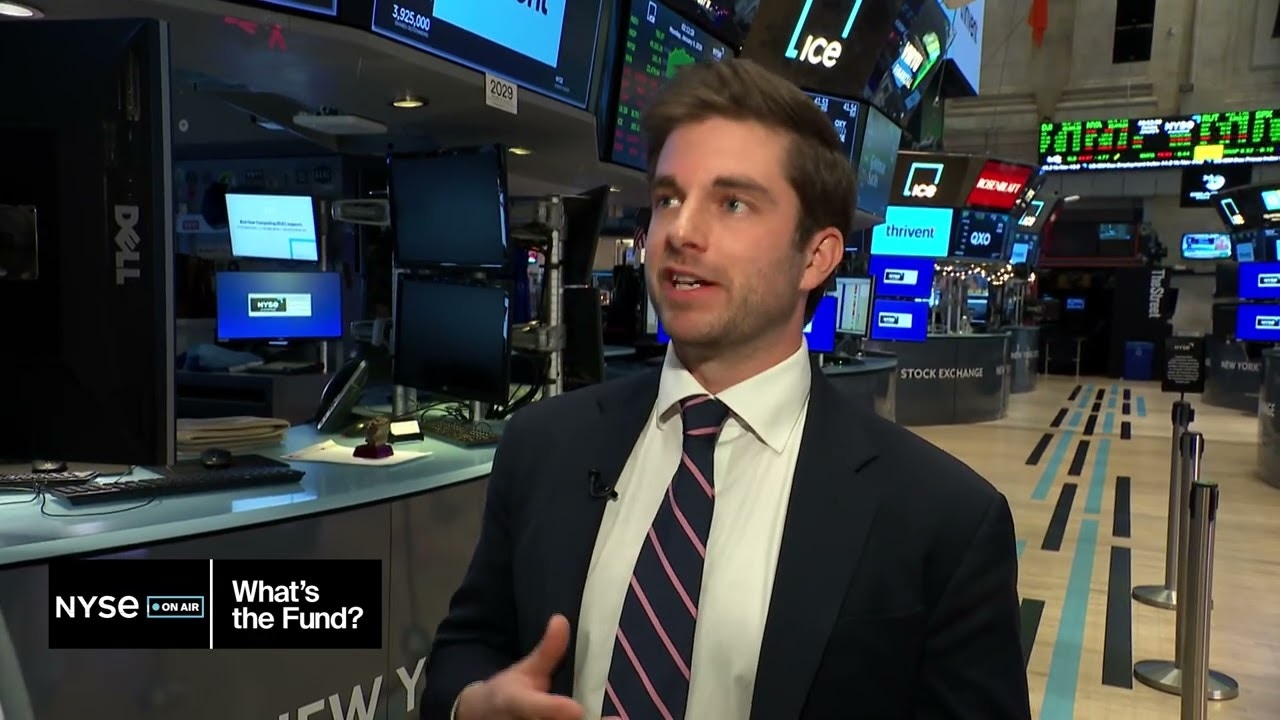
What’sTheFund
What's the Fund | Thrivent Mid Cap Value ETF (Ticker: TMVE)
Kyle Detullio, ETF Capital Markets Specialist at Thrivent Asset Management, joins Ethan Hertzfeld on the NYSE trading floor to discuss the Thrivent Mid Cap Value ETF (TMVE).
Browse all educational columns



Have you tried our ETF Compare tool?
Compare ETFs like a pro. Analyze fees, performance, exposure & holdings side-by-side.