Open Now: The Global ETF Survey Take the Survey →



The Year-End Shuffle: ETF Activity and Market Trends
Here’s how tax-loss harvesting, rebalancing, sector rotation, and dividend distributions shape the year-end ETF landscape and the strategies investors, issuers, and traders can use to navigate it.


Keep up with what matters in ETFs
Get timely ETF insights, market trends, and top ideas straight to your inbox.
Your newsletter subscriptions with us are subject to ETF Central's Privacy Policy and Terms and Conditions.
As the calendar year winds down, financial markets often experience a flurry of activity, with portfolio managers, traders, and investors making strategic moves to close out the year. For ETF issuers, investors, and traders, understanding these year-end dynamics is crucial for navigating the opportunities and challenges they present.
Here’s a deep dive into some of the key trends that shape the year-end ETF landscape.
The ETF Industry Is Evolving Fast
From AI infrastructure to active strategies, the ETF landscape is shifting. Share your perspective in the 7th Annual Global ETF Survey and get exclusive early access to the final report.
Tax-Loss Harvesting and Performance Management
One of the most significant drivers of year-end trading activity is tax-loss harvesting. Portfolio managers often sell underperforming securities to realize losses that can offset capital gains, thereby reducing their tax liability for the year. This process is typically paired with capital gains recognition, balancing the portfolio while minimizing tax burdens.
For ETFs, this activity can lead to shifts in trading volumes and fluctuations in the prices of underlying securities. Investors may notice increased volatility in certain ETFs as these adjustments ripple through the market.
Hedge funds also play a pivotal role in year-end trading. As hedge fund managers seek to maximize performance metrics before the year closes—directly tied to their compensation—many will trim positions in big winners and big losers. This dynamic often results in profit-taking and de-risking, particularly in volatile or high-growth sectors.
Preparing for the New Year: Inflows and Rebalancing
The new year heralds an influx of capital into retirement accounts like 401(k)s, as many workers allocate portions of their year-end bonuses. Anticipating this wave of new money, portfolio managers and ETF issuers often position themselves by rebalancing portfolios and increasing liquidity in funds expected to benefit from inflows.
Year-end rebalancing is also an important consideration. Many institutional investors, pension funds, and ETFs that track benchmarks rebalance their portfolios to align with updated index weights or sector allocations. This can result in significant buying or selling of specific stocks or sectors, impacting ETF liquidity and pricing.
Sector rotation is another phenomenon that characterizes year-end trading. Managers may shift allocations from overperforming sectors to undervalued or underperforming ones, anticipating trends for the year ahead. ETFs tracking these sectors can see heightened activity and price volatility during this period.
The Dividend Effect: Regular and Special Distributions
Year-end is also marked by dividend activity, as companies distribute profits to shareholders. For ETFs, these regular dividends adjust NAVs and provide investors with income. However, ETFs with exposure to mining stocks or Passive Foreign Investment Companies (PEFiCs) may face unique challenges due to special dividends.
As discussed in our previous article, special dividends tied to PEFiCs can surprise investors, issuers, and market makers. These events often coincide with year-end distributions, creating additional complexity in pricing and adjustments. Such unexpected payouts can impact ETF pricing at market open and disrupt trading strategies, particularly for options traders.
Strategies for Navigating Year-End Trends
For traders, issuers, and investors, navigating year-end requires a blend of awareness and strategy:
- Investors: Stay informed about potential tax-loss harvesting activity and its impact on your portfolio. Be aware of year-end dividends and their tax implications.
- Issuers: Prepare for year-end rebalancing and dividend distributions by ensuring accurate calculations and clear communication with stakeholders.
- Traders: Monitor sector rotation trends and anticipate the effects of capital inflows from retirement accounts in the new year. Stay agile to capitalize on price dislocations.
Conclusion
The end of the year is a dynamic and critical period in the financial markets, with wide-reaching implications for ETFs. By understanding the interplay of tax-loss harvesting, rebalancing, sector rotation, and dividend activity, market participants can better position themselves for success. Whether you’re managing a fund, trading ETFs, or building a long-term portfolio, awareness of these year-end trends is key to navigating the ever-changing market landscape.
About the Author
Nicholas Phillips | President of ETF Capital Markets Advisors LLC
With over 25 years of experience in ETF market making and capital markets, Nicholas Phillips is recognized as a subject matter expert in the ETF industry. He started his career spending the first ten years as a lead market maker for SIG and Goldman Sachs. At the helm of MCAP LLC's ETF Desk, Nicholas built and scaled the division, enhancing its operations through innovative pricing and risk models, and robust relationships with market makers and issuers. His tenure at Van Eck Associates as Director of ETF Capital Markets further solidified his expertise, managing critical facets of operations and deepening connections within the trading community. Beyond market making, Nicholas is an avid content creator, sharing insights that demystify complex market dynamics. He is keen on exploring board member roles that benefit from his extensive background and forward-thinking approach to ETF strategies. His dual US/Ireland citizenship complements his global perspective, enriching his professional endeavors in diverse markets.
Disclaimer
Please note this article is for information purposes only and does not in any way constitute investment advice. It is essential that you seek advice from a registered financial professional prior to making any investment decision.


Latest ETF News
See all ETF news








 Advantages of ETFs over Mutual Funds1/6
Lower Costs
In this guide, we'll explore the advantages of ETFs over mutual funds, giving you valuable insights into why ETFs have gained significant popularity among investors like yourself.
Leveraged ETFs: Unlocking the Potential for Amplified Returns1/6
Understanding Leveraged ETFs
Explore leveraged ETFs: potential for amplified returns & risks. 5 ETFs to consider across equities, commodities & fixed income.
What is a Leveraged ETF?1/6
Introducing Leveraged and Inverse ETFs
In this guide, we'll dive into the world of leveraged ETFs, exploring their definition, mechanics, potential risks, and rewards.
Recent educational content

ETF Trends
ETF Industry KPIs July 13, 2026
This week’s KPI data overview highlights key metrics and trends shaping the ETF landscape.

First Look ETF
First Look ETF: Cash Deployment, Bond, and Hedged ETFs
In this season 6 episode of First Look ETF, Stephanie Stanton examines the latest ETF marketplace trends with NYSE and guests.

ETF Trends
ETF Industry KPIs July 6, 2026
This week’s KPI data overview highlights key metrics and trends shaping the ETF landscape.
Asset TV
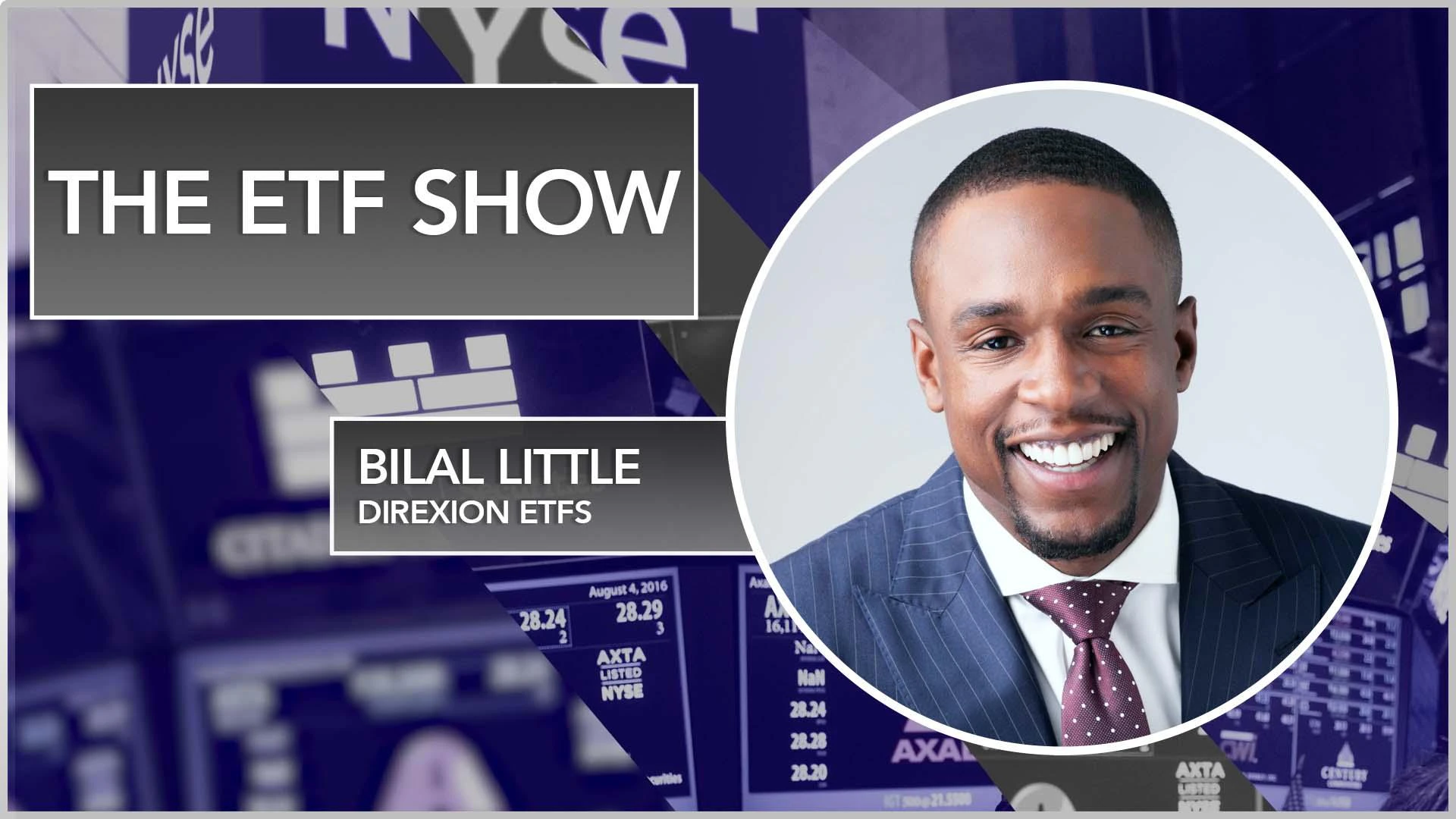
The ETF Show - The Evolution of Leveraged & Inverse ETFs
Leveraged and inverse ETFs have exploded in popularity over the past decade capturing more assets as retail traders seek to capture volatility.

Browse all educational columns



Active Trader Report: Use of Leveraged & Inverse ETFs Way Up
Direxion partnered with Compound Insights and Vanda to explore what’s driving the evolution of active trading — and how active traders are using leveraged and inverse funds across equities, single stocks, commodities, and volatility.