NYSE CRTR Economy Event Watch the replay →



When Bonds Outpace Stocks: What the Yield Crossover Means for Fixed Income Allocations
For the first time in over a decade, bonds are outpaying stocks—and that changes everything.

Keep up with what matters in ETFs
Get timely ETF insights, market trends, and top ideas straight to your inbox.
Your newsletter subscriptions with us are subject to ETF Central's Privacy Policy and Terms and Conditions.
For the first time in over a decade, U.S. 10-year Treasury yields have overtaken S&P 500 earnings yields—a rare and meaningful inversion that signals a potential turning point in portfolio construction.
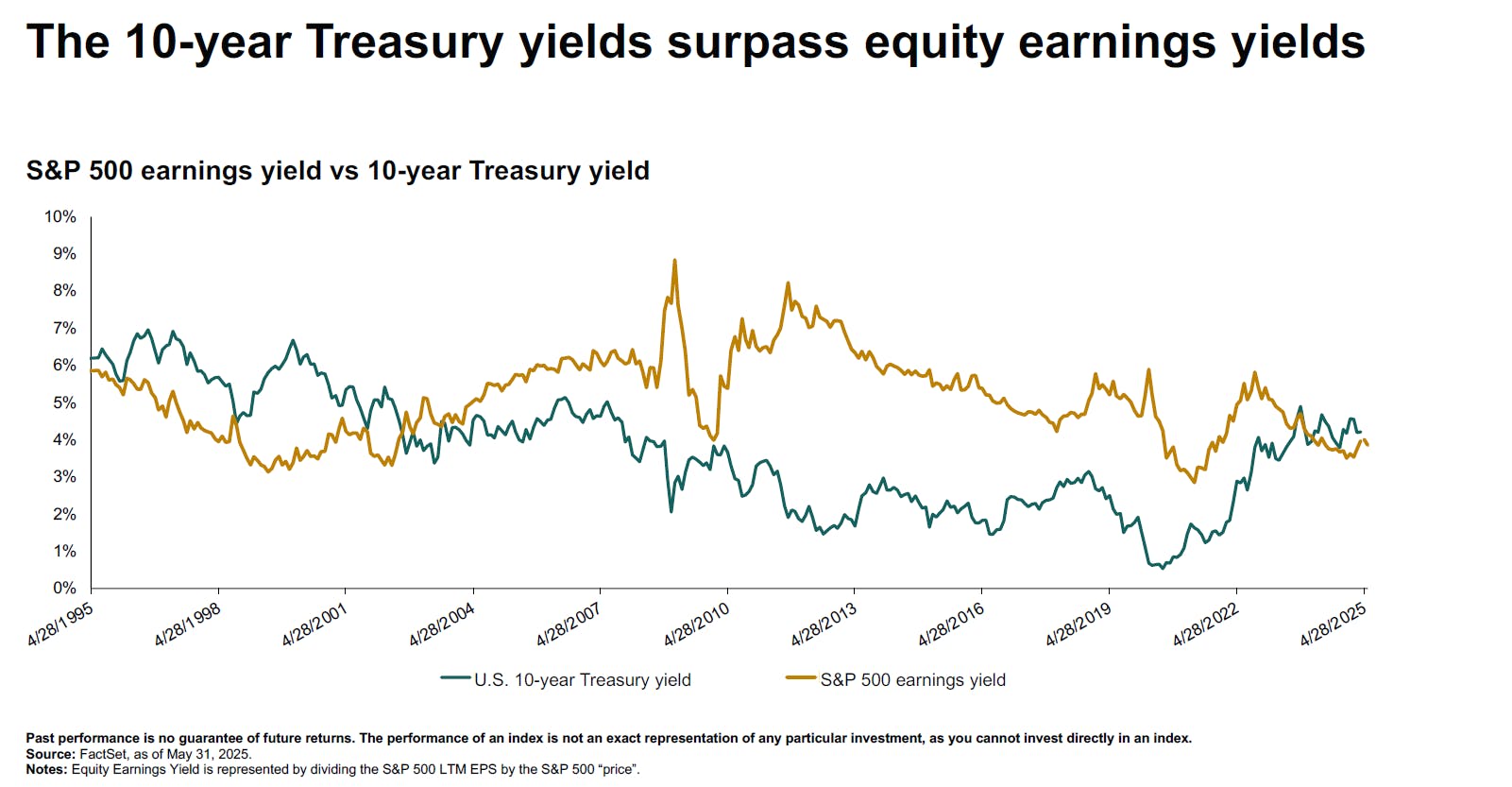
As shown in the chart spanning 1995 to 2025, this crossover reflects a broader shift in market dynamics: fixed income is no longer just a ballast—it’s a source of real return potential.
This reversal is more than a headline. It challenges long-held assumptions about the equity risk premium, and it invites advisors to re-evaluate the role of bonds in client portfolios. With Treasury yields now offering competitive income with lower volatility, the case for active fixed income has never been stronger.
At Vanguard, we believe this environment calls for precision, not passivity. Our latest Quarterly Active Fixed Income Perspectives explores how active strategies can help advisors navigate this evolving landscape—whether it’s managing duration risk, capitalizing on credit dislocations, or enhancing yield in a high-rate regime.
Get data on 14,000+ ETFs
Access Trackinsight's reliable and comprehensive data with 500M+ points on 14,000+ ETFs.
Key Takeaways:
- The yield crossover marks a shift in relative asset class attractiveness.
- Active fixed income strategies are well-positioned to capture value in today’s complex rate environment.
- Advisors should consider rebalancing portfolios to reflect the new risk-reward dynamics.
Explore how Vanguard’s active fixed income team is positioning for what’s next—and how you can translate these insights into smarter, more resilient portfolios for your clients. Read the full AFI Perspectives here
Disclaimer
Please note that this article reflects the author's personal views and does not represent the opinions of the publication or its affiliates. It is for informational purposes only and does not constitute investment advice. It is essential to seek guidance from a registered financial professional before making any investment decisions.
Latest ETF News
See all ETF newsEntering A New Era of Defense Tech Spending


How SPXD Delivers a More Balanced S&P 500 Exposure


Autocallable Yield Advantage and Market Reception






 Advantages of ETFs over Mutual Funds1/6
Lower Costs
In this guide, we'll explore the advantages of ETFs over mutual funds, giving you valuable insights into why ETFs have gained significant popularity among investors like yourself.
Leveraged ETFs: Unlocking the Potential for Amplified Returns1/6
Understanding Leveraged ETFs
Explore leveraged ETFs: potential for amplified returns & risks. 5 ETFs to consider across equities, commodities & fixed income.
What is a Leveraged ETF?1/6
Introducing Leveraged and Inverse ETFs
In this guide, we'll dive into the world of leveraged ETFs, exploring their definition, mechanics, potential risks, and rewards.
Recent educational content
Asset TV
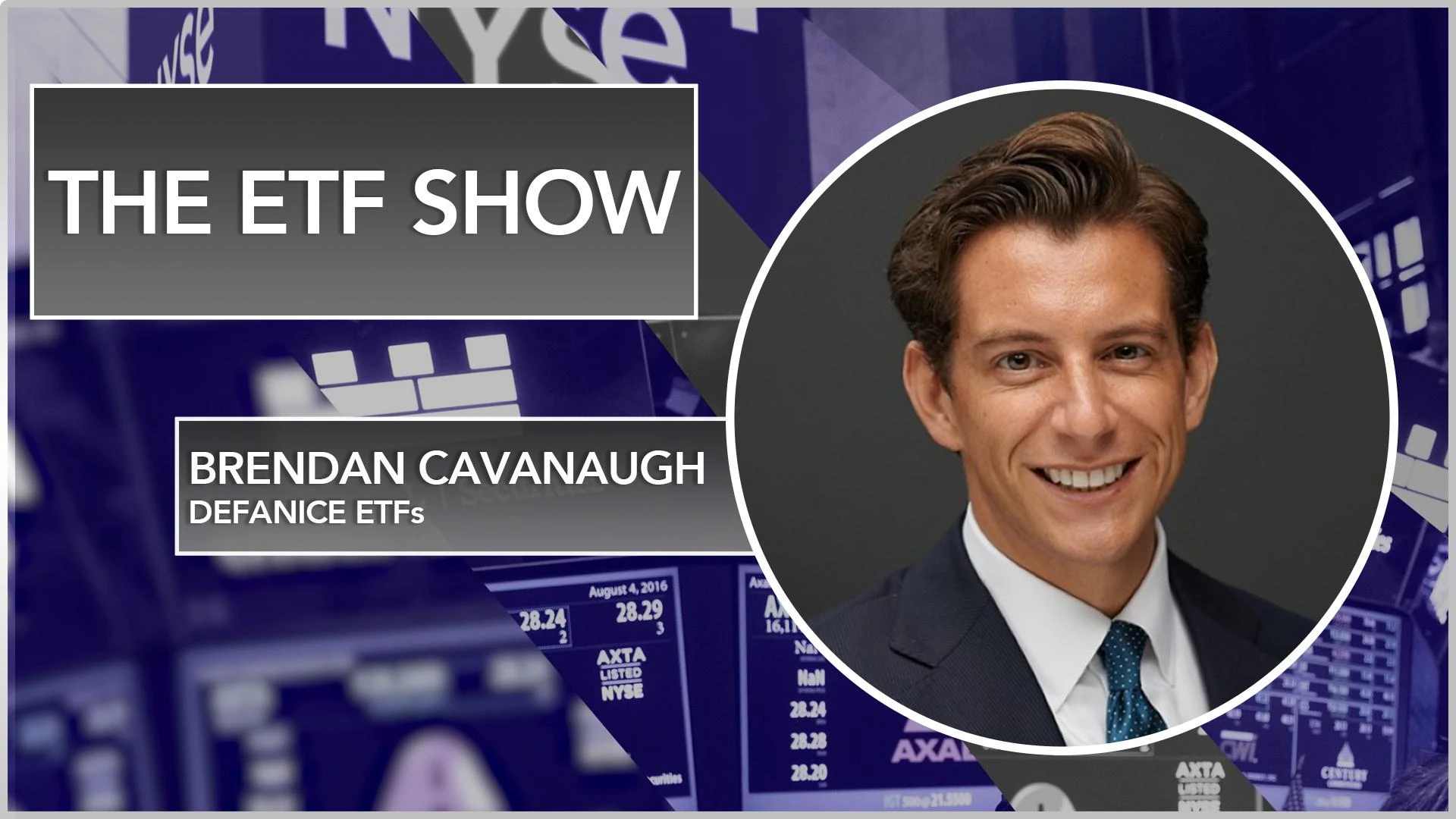
The ETF Show - New Autism-Impact ETF Launched
Defiance ETFs has launched the first ETF, $ASD, focused on the autism ecosystem, investing in companies that provide services, products, and research related to autism and neurodivergence.


ETF Trends
ETF Industry KPIs June 1, 2026
The ETF Industry saw 22 New Launches, 1 Ticker Change and 1 closure last week.

ETF Trends
ETF Industry KPIs May 20, 2026
The ETF Industry saw 44 New Launches, 3 Mutual Fund Conversions and 9 closures last week.
Asset TV
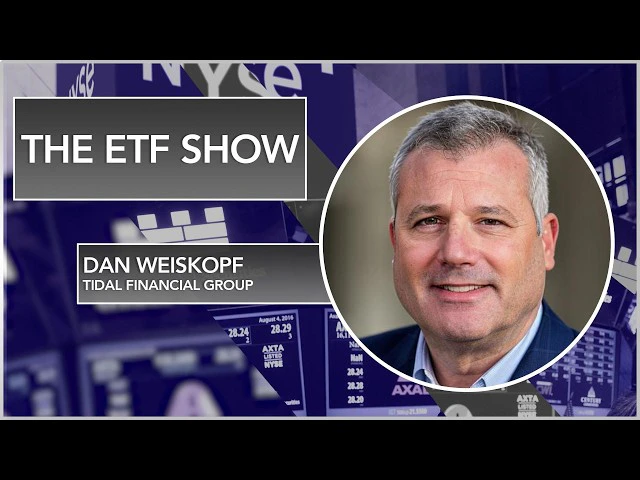
The ETF Show - Politics Becomes Investable Trade through ETFs
Dan Weiskopf, Senior Portfolio Manager at Tidal Financial Group spoke with the ETF Show about Subversive ETFs that help investors trade like politicians.
Browse all educational columns



The ETF Industry Is Evolving Fast
From AI infrastructure to active strategies, the ETF landscape is shifting. Share your perspective in the 7th Annual Global ETF Survey and get exclusive early access to the final report.