Open Now: The Global ETF Survey Take the Survey →



Vanguard's first closure of a US-listed ETF in its history: What are the implications?
Late last year Vanguard closed a US-listed ETF for the first time in the company’s 21-year history. We explore the implications for the ETF industry and investors.


Keep up with what matters in ETFs
Get timely ETF insights, market trends, and top ideas straight to your inbox.
Your newsletter subscriptions with us are subject to ETF Central's Privacy Policy and Terms and Conditions.
The ETF industry is dominated by the “Big Three”: BlackRock, Vanguard and State Street, collectively housing greater than $20 trillion of assets under management (AUM) as of their latest annual reports.
While BlackRock has historically been the leader in the U.S. ETF market, Vanguard has been picking up increased market share within the ETF space – owing to their strategy of focusing on offering low-cost products aimed at the retail investor.
While Vanguard has been in a state of seemingly perpetual growth, the ETF market clearly can’t keep rapidly expanding indefinitely. Therefore, ETF providers must look for ways to right-size their portfolios and maintain profitability while simultaneously meeting demand from investors.
The ETF Industry Is Evolving Fast
From AI infrastructure to active strategies, the ETF landscape is shifting. Share your perspective in the 7th Annual Global ETF Survey and get exclusive early access to the final report.
Vanguard closing a US-listed ETF for the first time ever
In a late-September press release, Vanguard announced that it would be liquidating the $44.2 million Vanguard U.S. Liquidity Factor ETF (VFLQ). VFLQ was a very small fund and ultimately inconsequential in the grander scheme of Vanguard’s massive suite of ETF offerings, however, it is notable given that Vanguard has never liquidated a US-listed fund in its 21-year history in the ETF space.
The ETF in question
Turning back to the fund closure, VFLQ was a rules-based quantitative ETF which systematically invested in U.S. stocks with lower measures of trading liquidity across different sizes (small, mid, and large caps) and different sectors. It was brought to market in February 2018 and maintained a relatively low expense ratio of 0.13%.
This ETF was likely aimed at providing investors exposure to stocks that traded at a “liquidity discount,” that is, that thinly traded stocks would trade at a discount to their intrinsic value because of the fact that they are illiquid. While this investment idea does have merit, it likely did not gain as much traction as was expected by Vanguard as the manager mentioned that the fund “has not gained scale since its 2018 debut”.
In the press release Vanguard notes that it is reviewing its global product lineup and ensuring that each fund and ETF is meeting the needs of clients.
Shaking up their portfolio
Vanguard had been holding steady with its roster of fund offerings given that it had not launched a new fund in 20 months prior to the announcement of plans to launch a new Vanguard Short-Term Tax-Exempt Bond ETF (VTES) in the first quarter of 2023. To learn more, please see ETF Central writer Tony Dong’s article on Vanguard’s plans to launch this new ETF and its potential suitability for investors.
Clearly, Vanguard is shaking up its portfolio with this first U.S. closure and also its first new launch in 20 months – we think this could be sending a signal to the broader ETF market.
Implication for the market
Fund closures are natural, especially for ETF providers with the size of BlackRock or Vanguard, there are bound to be some products that aren’t as successful. It’s simply good business sense to axe products that aren’t working, especially in a sustained bear market as we witnessed in 2022. The fact that Vanguard had not closed an ETF until now is a grand feat in itself.
However, in our view, this points to a potential evolution in the industry lifecycle of ETFs as they move from a pure-growth phase to more of a selective growth stage of life.
Historically, ETF inflows were so large that providers could continue launching new ETFs and the overall pie was growing fast enough that every player was getting a bigger slice. While the ETF segment is still growing, amid challenging market conditions in 2022 it follows that providers could look to right-size their portfolios in order to maintain profitability.
In a bull market, investors have more investable capital, and the ETF market can continue to launch new products with a high probability of success. Now that we’ve moved into a bear market, it stands to reason that not all products will be successful.
Bottom line for investors: Overall, this could be positive for investors as instead of receiving a bombardment of new investment alternatives, providers can focus on optimizing costs and bringing higher-quality products to market in order to meet client needs.
Please note this article is for information purposes only and does not in any way constitute investment advice. It is essential that you seek advice from a registered financial professional prior to making any investment decision.

Latest ETF News
See all ETF newsMoneyShow Chart of the Day 7/16/26: Good News/Bad News on Inflation (and the Fed)


MoneyShow Chart of the Day 7/1/26: The H1 Scorecard – and What Comes Next

MoneyShow Chart of the Day 6/22/26: Are World Cup Videos Helping US Companies Clean Up?

MoneyShow Chart of the Day 6/3/26: AI. AI. AI. (And a Handful of Other Stocks, Too)




 Advantages of ETFs over Mutual Funds1/6
Lower Costs
In this guide, we'll explore the advantages of ETFs over mutual funds, giving you valuable insights into why ETFs have gained significant popularity among investors like yourself.
Leveraged ETFs: Unlocking the Potential for Amplified Returns1/6
Understanding Leveraged ETFs
Explore leveraged ETFs: potential for amplified returns & risks. 5 ETFs to consider across equities, commodities & fixed income.
What is a Leveraged ETF?1/6
Introducing Leveraged and Inverse ETFs
In this guide, we'll dive into the world of leveraged ETFs, exploring their definition, mechanics, potential risks, and rewards.
Recent educational content

ETF Trends
ETF Industry KPIs July 13, 2026
This week’s KPI data overview highlights key metrics and trends shaping the ETF landscape.

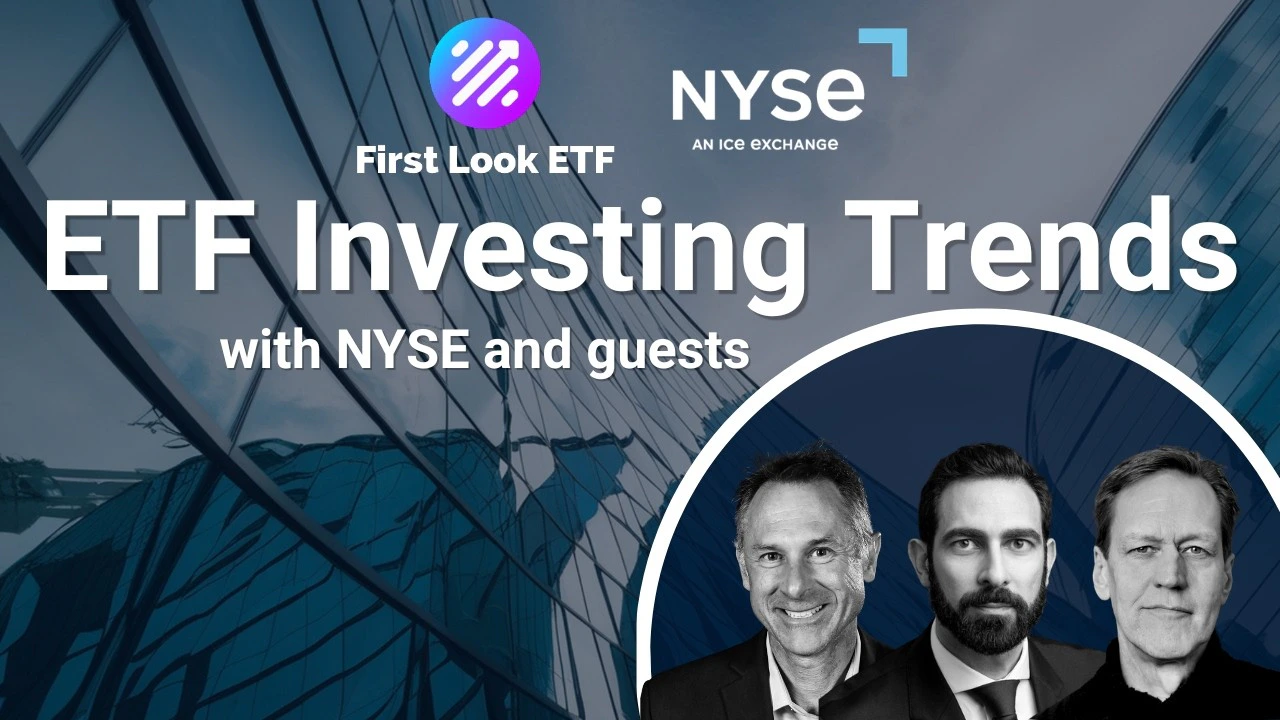
First Look ETF
First Look ETF: Cash Deployment, Bond, and Hedged ETFs
In this season 6 episode of First Look ETF, Stephanie Stanton examines the latest ETF marketplace trends with NYSE and guests.

ETF Trends
ETF Industry KPIs July 6, 2026
This week’s KPI data overview highlights key metrics and trends shaping the ETF landscape.
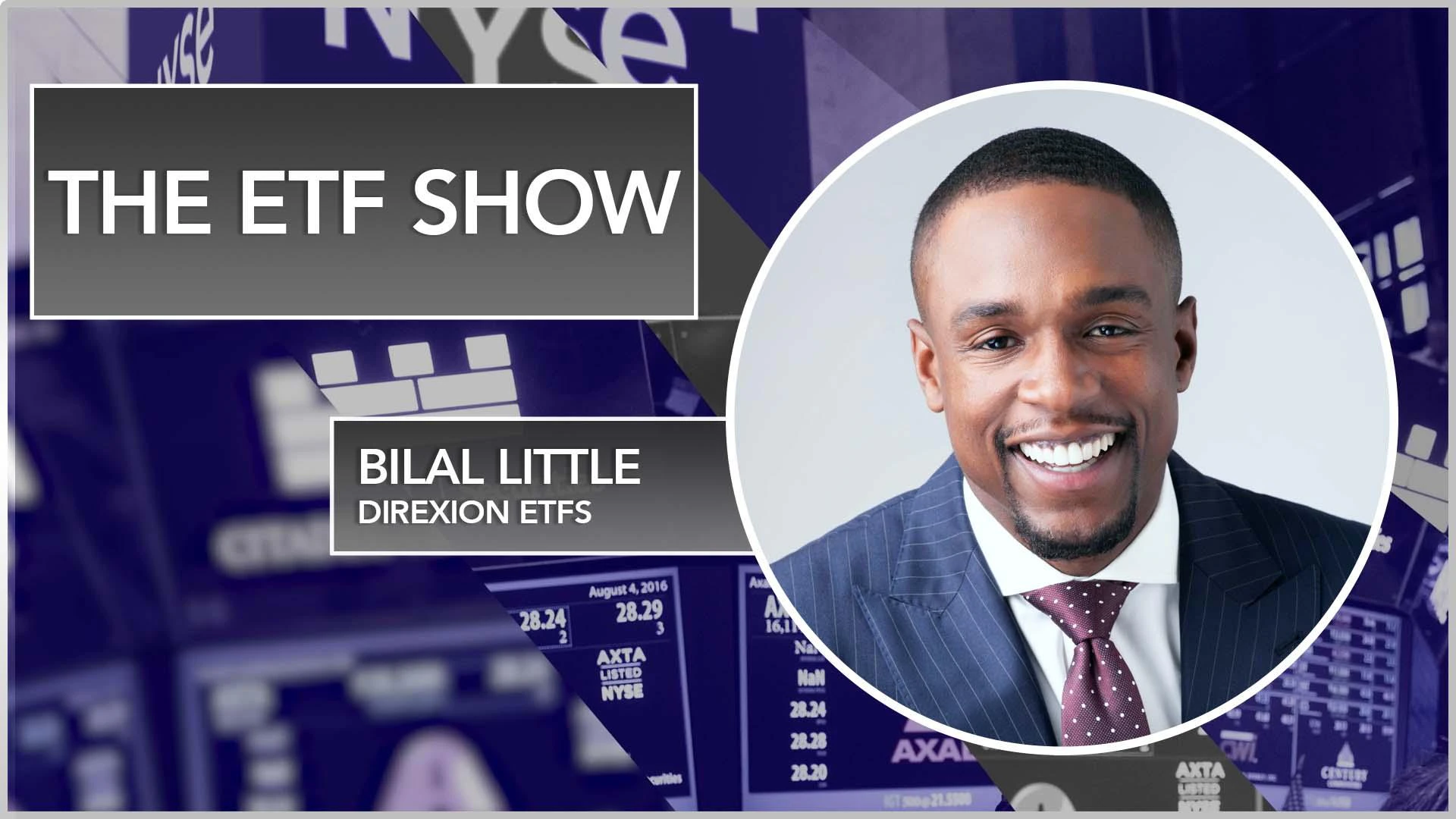
Asset TV
The ETF Show - The Evolution of Leveraged & Inverse ETFs
Leveraged and inverse ETFs have exploded in popularity over the past decade capturing more assets as retail traders seek to capture volatility.

Browse all educational columns



Expert-Built ETF Portfolios, All in One Place
Don’t start from scratch. Discover ready-made ETF portfolios built by professionals to match different goals, timelines, and market views. Use them as inspiration or as a starting point for your own allocation.