NYSE CRTR Economy Event Watch the replay →



Vanguard S&P 500 ETF (VOO) Dethrones SPDR S&P 500 ETF Trust (SPY) as the Largest ETF by AUM
Here’s a look at the contributing factors behind this historical shift.


Keep up with what matters in ETFs
Get timely ETF insights, market trends, and top ideas straight to your inbox.
Your newsletter subscriptions with us are subject to ETF Central's Privacy Policy and Terms and Conditions.
The ETF industry witnessed another major milestone on February 18, 2025, as the Vanguard S&P 500 ETF (
VOO now holds $632 billion in AUM, compared to SPY’s $630 billion—a historic shift, considering SPY had a significant head start, launching in January 1996, while VOO only debuted in September 2010.
But this has been a long time coming, and the trend accelerated significantly in late 2024 as VOO began seeing substantially higher net inflows, closing the gap at an increasingly rapid pace.
Here’s a look at all the contributing factors that drove this changing of the guard.
The ETF Industry Is Evolving Fast
From AI infrastructure to active strategies, the ETF landscape is shifting. Share your perspective in the 7th Annual Global ETF Survey and get exclusive early access to the final report.
Differences in Expense Ratios
The most obvious factor driving the shift from SPY to VOO—especially for retail investors and financial advisors—is cost. VOO charges just 0.03%, making it one of the cheapest ways to own the S&P 500.
In contrast, SPY still carries a 0.0945% expense ratio—more than three times higher. While both are still cheap, when the underlying exposure is identical, there’s little incentive to stick with the more expensive option—unless you have substantial unrealized capital gains that would trigger taxes on a switch.
Vanguard has also been slashing expense ratios across more of its ETF lineup recently, reinforcing its reputation as a low-cost leader.
It’s worth noting that SSGA has tried to address this issue by cutting the expense ratio of its other S&P 500 ETF, the SPDR Portfolio S&P 500 ETF (SPLG), to just 0.02%—a direct attempt to stay competitive in the low-cost ETF race.
Lack of Cash Drag
This factor is less known to retail investors but is something advisors are likely familiar with—SPY uses an older ETF structure called a Unit Investment Trust (UIT).
A UIT is a type of investment fund that follows a fixed portfolio structure and doesn’t allow for reinvestment of dividends. This means that SPY cannot immediately reinvest dividends into the fund as they are received. Instead, dividends accumulate as cash until they are paid out to investors on a quarterly basis.
This delay creates cash drag, where a portion of the fund sits idle instead of being reinvested in the market. Over time, this can lead to slightly lower returns compared to ETFs that continuously reinvest dividends in between payout dates.
VOO and other modern ETFs don’t have this issue. They automatically reinvest dividends as they come in, helping to maintain full market exposure without the drag of uninvested cash.
Is There Any Hope for SPY?
Right now, SPY still has one major advantage over VOO, but only active traders will appreciate it—a more robust options market. Compared to VOO, SPY has:
- More strike prices available
- Higher open interest
- Daily expiration dates (0DTEs)
- Long-dated expiration dates (LEAPS)
You can’t really buy LEAPS on VOO or effectively execute a 0DTE options strategy, whereas SPY has no such limitations. For traders who rely on options liquidity and flexibility, SPY still holds a clear edge.
Until VOO gets these features (unlikely, given Vanguard’s philosophy), I expect SPY to remain relevant despite its higher expense ratio.
There’s always the possibility that SPY lowers its expense ratio, but that also seems unlikely. Doing so would cost SSGA a massive amount in lost revenue given SPY’s huge AUM.
My prediction? SSGA will focus on marketing SPLG as its cheaper alternative to VOO, rather than slashing fees on SPY itself.
This article is for informational purposes only and does not in any way constitute investment advice. The author may express their own opinions, which may not represent the opinions of ETF Central or its affiliated partners. It is essential that you seek advice from a registered financial professional prior to making any investment decisions.
Latest ETF News
See all ETF news
The SpaceX (SPCX) IPO: Here's Which ETFs Already Own it

ETF Comparison: Vanguard FTSE Emerging Markets ETF (VWO) Versus iShares Core MSCI Emerging Markets ETF (IEMG)




 Advantages of ETFs over Mutual Funds1/6
Lower Costs
In this guide, we'll explore the advantages of ETFs over mutual funds, giving you valuable insights into why ETFs have gained significant popularity among investors like yourself.
Leveraged ETFs: Unlocking the Potential for Amplified Returns1/6
Understanding Leveraged ETFs
Explore leveraged ETFs: potential for amplified returns & risks. 5 ETFs to consider across equities, commodities & fixed income.
What is a Leveraged ETF?1/6
Introducing Leveraged and Inverse ETFs
In this guide, we'll dive into the world of leveraged ETFs, exploring their definition, mechanics, potential risks, and rewards.
Recent educational content
Asset TV
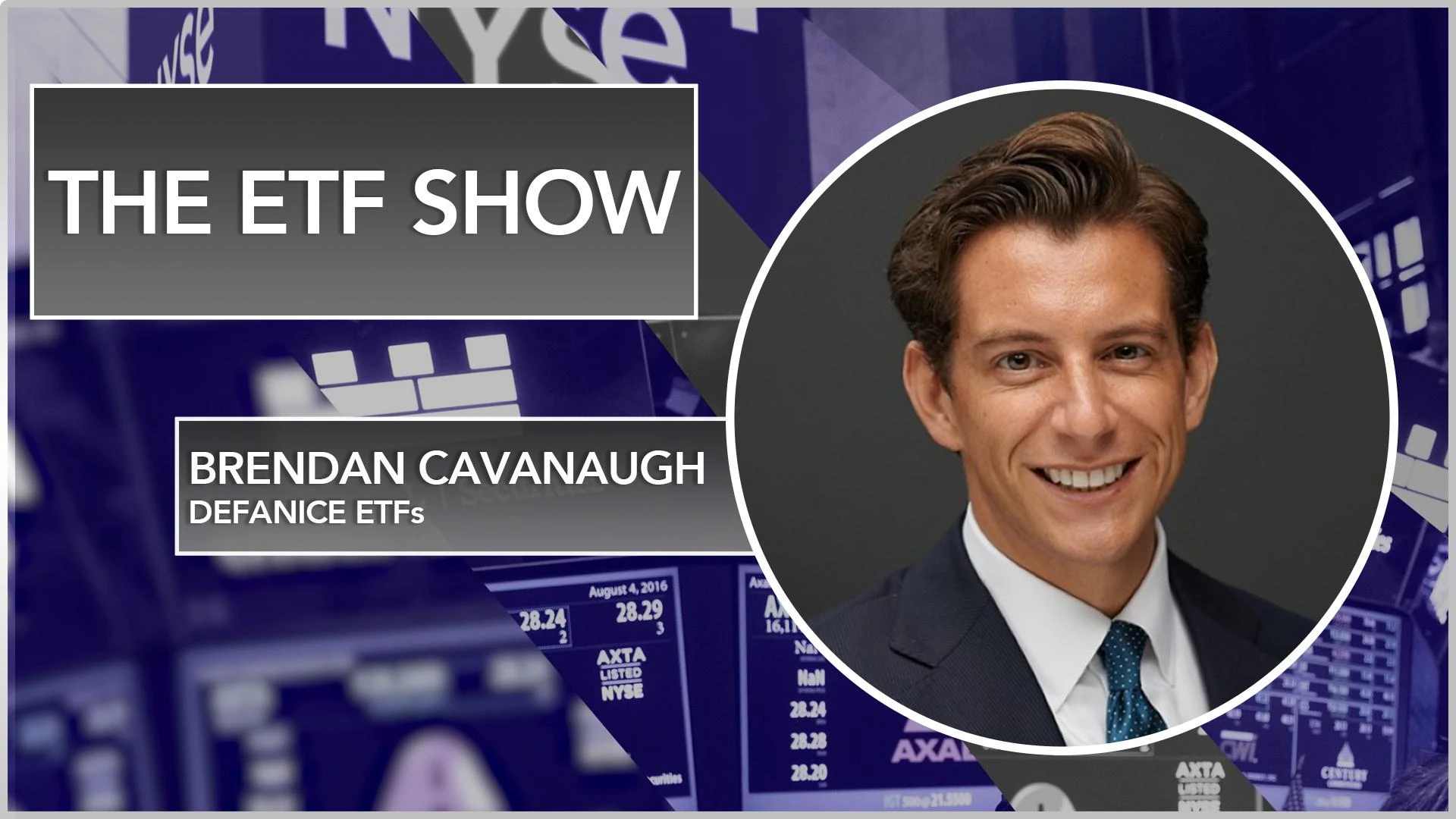
The ETF Show - New Autism-Impact ETF Launched
Defiance ETFs has launched the first ETF, $ASD, focused on the autism ecosystem, investing in companies that provide services, products, and research related to autism and neurodivergence.


ETF Trends
ETF Industry KPIs June 1, 2026
The ETF Industry saw 22 New Launches, 1 Ticker Change and 1 closure last week.

ETF Trends
ETF Industry KPIs May 20, 2026
The ETF Industry saw 44 New Launches, 3 Mutual Fund Conversions and 9 closures last week.
Asset TV
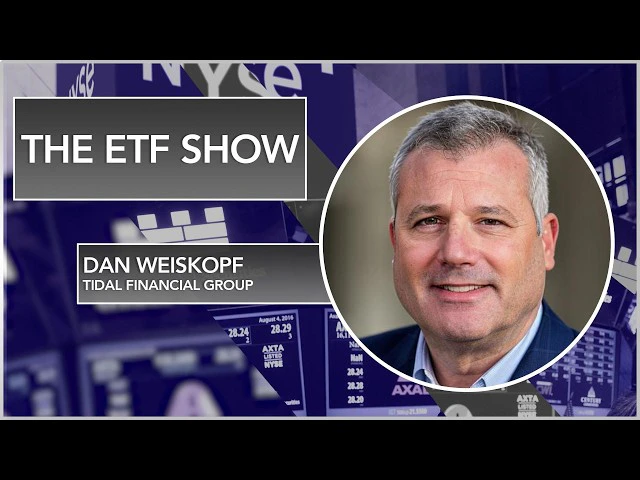
The ETF Show - Politics Becomes Investable Trade through ETFs
Dan Weiskopf, Senior Portfolio Manager at Tidal Financial Group spoke with the ETF Show about Subversive ETFs that help investors trade like politicians.
Browse all educational columns



Expert-Built ETF Portfolios, All in One Place
Don’t start from scratch. Discover ready-made ETF portfolios built by professionals to match different goals, timelines, and market views. Use them as inspiration or as a starting point for your own allocation.