NYSE CRTR Economy Event Watch the replay →



The Transformational Potential of Investing in Food Systems
Transforming the global food system offers financial growth, sustainability, and impact investment opportunities through systemic innovation.

Keep up with what matters in ETFs
Get timely ETF insights, market trends, and top ideas straight to your inbox.
Your newsletter subscriptions with us are subject to ETF Central's Privacy Policy and Terms and Conditions.
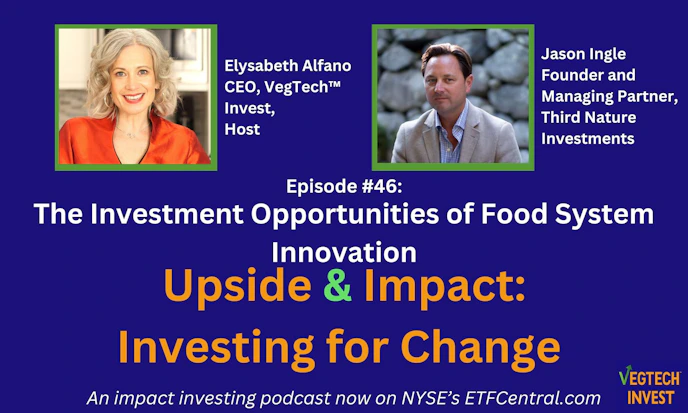
In today’s investment landscape, systems-level thinking is reshaping portfolios, particularly in sectors where economic, environmental, and societal forces converge. One of the most compelling opportunities lies in transforming the food system—a sector valued at $9.1 trillion globally. At VegTech™ Invest, we recognize the extraordinary potential of this industry not only to generate potentially robust returns but also to drive solutions for climate change, biodiversity loss, and global food insecurity. The opportunities surrounding the food system transformation and impact investing were recently discussed on the podcast Upside & Impact: Investing for Change, hosted by the VegTech™ Invest CEO, Elysabeth Alfano with guest Jason Ingle of Third Nature Investments.
Get data on 14,000+ ETFs
Access Trackinsight's reliable and comprehensive data with 500M+ points on 14,000+ ETFs.
A Systems Approach to Investing
To address the inefficiencies and externalities of the current food system, it’s imperative to think beyond traditional investment methods. Systemic investing—a cornerstone of our philosophy—takes a wide-angle view of interconnected industries, supply chains, and their environmental impacts. Ingle underscores on the importance of mapping out how investments interact within larger ecosystems, such as food, agriculture, water, and climate. By understanding these interdependencies, we can identify leverage points that catalyze transformational change.
For example, investing in alternative proteins is not just about creating meat substitutes; it’s about reducing the environmental costs associated with conventional animal agriculture. Diversified protein products use up to 99% less water and land, and can produce up to 90% fewer greenhouse gas emissions than beef, according to Life Cycle Analysis comparing the two. These metrics underscore the financial and environmental efficiency of a systemic shift in food production.
Ingle explains the need for a regenerative economy in a clip from the interview here:
Investing for Profit and Planet
Impact investing has evolved significantly since its early days. Initial strategies often sought validation through high-profile wins, but many failed to address the deeper structural changes required for long-term transformation. Ingle and Alfano discussed that impact investing 2.0 must integrate profitability with broader societal benefits. This isn’t about concessionary returns; it’s about recognizing that the food system’s inefficiencies present an unparalleled business opportunity.
According to the Food and Agriculture Organization of the United Nations (FAO), the global food system externalizes $12.7 trillion annually—costs borne by taxpayers and society through health issues, environmental damage, and economic losses. By addressing these externalities, we unlock substantial value while mitigating risks associated with climate change, resource scarcity, and geopolitical instability.
Emerging Opportunities: Beyond the Farm
While agriculture remains central to food system innovation, the opportunity set extends well beyond. Investments in ocean-based economies, such as seaweed farming, offer regenerative solutions for industries ranging from packaging to apparel. Similarly, biomaterials in food are also revolutionizing sectors like fashion, providing alternatives to resource-intensive animal inputs like leather. These innovations demonstrate the scalability and versatility of food system investing.
There is also the power of blended capital—the strategic use of philanthropic, government, and private-sector funding to accelerate innovation. Governments, including the U.S. Department of Defense, are channeling billions into food innovation, recognizing its importance for national security and global stability. This alignment of public and private capital amplifies the impact and accelerates the pace of change.
Barriers and Breakthroughs…and Politics
Despite its promise, systemic investing faces challenges. Incumbent players in food and agriculture often resist disruption, and consumer adoption can be slow for emerging products. Additionally, misinformation campaigns funded by entrenched industries complicate market dynamics. Addressing these barriers requires collaboration across stakeholders, from venture capitalists to policymakers.
Technological advancements like artificial intelligence (AI) are also enabling transparency across supply chains, exposing inefficiencies and unethical practices. As supply chains become more visible, companies will face increasing pressure to adopt sustainable practices—a trend that creates new opportunities for forward-thinking investors.
It will be interesting to see how the new administration will shake-up the food industry as it seems intent on doing with Robert F. Kennedy, JR joining the ranks.
The Financial Case for Food System Transformation
It turns out that food system transformation is not just an environmental imperative; it’s a financial opportunity. Statista estimates that $1.4 trillion of the global food system’s value is concentrated in the meat industry alone, with dairy adding nearly another trillion. Shifting even a fraction of this market toward sustainable alternatives can generate significant economic gains. Boston Consulting Group has found that investing in food systems is three to forty times more impactful in reducing greenhouse gas emissions than investments in energy, transportation, or construction materials.
Looking Ahead
As we approach 2030, the momentum behind food system investing is accelerating and the political pressure is heating up. Investors are increasingly incorporating biodiversity loss mitigation and sustainability into their strategies. Governments and corporations are aligning their five-year plans to reflect these priorities, creating a ripple effect throughout global markets.
Alfano and Ingle discussed their commitment to advancing this movement through strategic investments in public markets and innovative startups. By identifying and supporting key players, we’re helping to build a resilient, regenerative food system that benefits people, the planet, and profits alike.
For investors looking to align their portfolios with long-term trends and meaningful impact, the case for food system transformation has never been clearer.
Listen to the full audio podcast here. Watch the full video interview here.
About the author
Elysabeth Alfano is the CEO of VegTech™ Invest, Advisor to a food innovation ETF. She is a consultant to C-Suite of multinational companies and speaks internationally on the intersection of investing, sustainability, and food systems transformation. Elysabeth is also the host of the podcast, Upside & Impact: Investing for Change. This article was co-written by the Fractional Associate Director of Comms & Research at VegTech™ Invest, Gwendolyn Brown.
Please note this article is for information purposes only and does not in any way constitute investment advice. It is essential that you seek advice from a registered financial professional prior to making any investment decision.
Segments
See all
No specific market segments were tagged
Mentioned ETFs
No specific ETFs were tagged
Further reading
Latest ETF News
See all ETF news

Why ETF Spreads Often Mislead Investors








 Advantages of ETFs over Mutual Funds1/6
Lower Costs
In this guide, we'll explore the advantages of ETFs over mutual funds, giving you valuable insights into why ETFs have gained significant popularity among investors like yourself.
Leveraged ETFs: Unlocking the Potential for Amplified Returns1/6
Understanding Leveraged ETFs
Explore leveraged ETFs: potential for amplified returns & risks. 5 ETFs to consider across equities, commodities & fixed income.
What is a Leveraged ETF?1/6
Introducing Leveraged and Inverse ETFs
In this guide, we'll dive into the world of leveraged ETFs, exploring their definition, mechanics, potential risks, and rewards.
Recent educational content
Asset TV
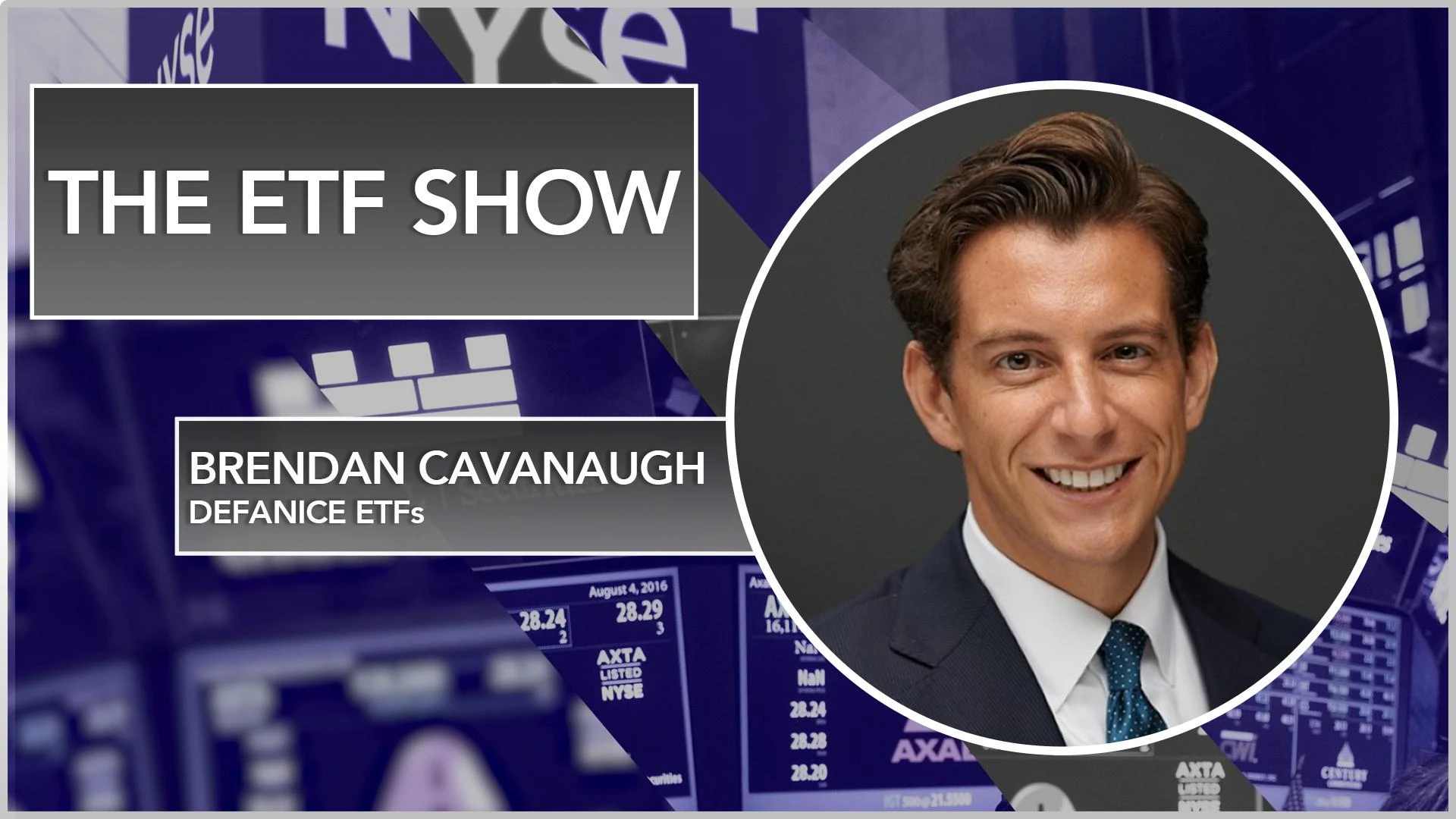
The ETF Show - New Autism-Impact ETF Launched
Defiance ETFs has launched the first ETF, $ASD, focused on the autism ecosystem, investing in companies that provide services, products, and research related to autism and neurodivergence.


ETF Trends
ETF Industry KPIs June 1, 2026
The ETF Industry saw 22 New Launches, 1 Ticker Change and 1 closure last week.

ETF Trends
ETF Industry KPIs May 20, 2026
The ETF Industry saw 44 New Launches, 3 Mutual Fund Conversions and 9 closures last week.
Asset TV
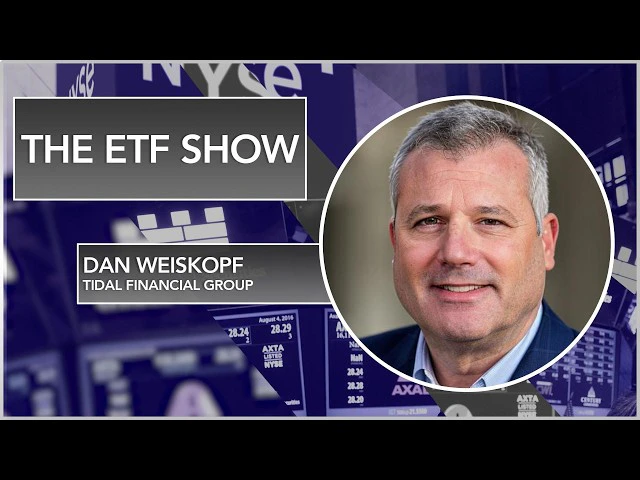
The ETF Show - Politics Becomes Investable Trade through ETFs
Dan Weiskopf, Senior Portfolio Manager at Tidal Financial Group spoke with the ETF Show about Subversive ETFs that help investors trade like politicians.
Browse all educational columns



Build and Analyze Your ETF Portfolio Like a Pro
Create your own ETF portfolio in minutes and instantly see allocations, exposures, performance, and risk. Visualize diversification across asset classes, regions, and sectors. Stress-test ideas, compare benchmarks, and refine your strategy with professional-grade analytics.