Explore professionally built ETF model portfolios. Discover now →



Tony's ETF Buyer's Guide: Silver ETFs
Silver prices have surged recently. Here's how you can gain liquid and affordable exposure via ETFs.


Keep up with what matters in ETFs
Get timely ETF insights, market trends, and top ideas straight to your inbox.
Your newsletter subscriptions with us are subject to ETF Central's Privacy Policy and Terms and Conditions.
Silver prices are on a notable uptrend this year, with spot prices jumping 32.6% year-to-date to open at $31.72 per ounce as of May 21. Over the last 24 hours, they even touched a peak of $32.50 per ounce.
Another interesting aspect to consider when investing in silver is the gold/silver ratio, which measures the relative strength of gold prices against silver prices. It's calculated by dividing the current price of an ounce of gold by the current price of an ounce of silver.
This ratio has seen a significant shift year-to-date, falling from 86.65 at the beginning of January to 75.50 now. Historically, a gold/silver ratio at 80 or above has often preceded notable rallies in silver prices, suggesting potential upside when the ratio is high and then begins to decrease.
On forums like r/WallStreetSilver, silverbugs who've amassed a hoard of physical silver are celebrating their long-awaited gains after a decade of sideways, flat returns.
However, not everyone is keen on storing physical silver. For most non-diehard investors, ETFs provide a much more accessible and practical way to gain exposure to silver.
You can trade them like stocks throughout the day, they don't come with the hefty dealer markups or spreads associated with physical silver, and you don't need to worry about insurance or secure storage. Plus, they make rebalancing your portfolio between different asset classes a breeze.
Here's my guide to all the different types of silver ETFs you can buy today.
Like what you're reading?
Stay in the loop — get the latest ETF insights: trends, analysis, and expert picks.
Physical silver ETFs
Physical silver ETFs are similar to their gold counterparts, providing direct exposure to the price movements of silver minus associated expenses.
These funds operate by purchasing physical silver and securely storing it in vaults under the oversight of a custodian, with regular audits to ensure accountability.
Interestingly, most of these funds are not technically ETFs but are structured as grantor trusts, a distinction that affects their legal standing and taxation but not their tradability or the general return profile for investors.
For the end investor, trading a silver trust feels much like trading any other ETF, with the trust's shares bought and sold on an exchange throughout the trading day. However, the tax implications can be different.
Unlike traditional ETFs governed by the Investment Company Act of 1940, these trusts might not qualify for certain tax advantages available to conventional mutual funds and ETFs. This nuance in taxation could impact how gains from the trust are taxed, depending on individual circumstances.
Two of the most popular physical silver ETFs include the iShares Silver Trust
Physical silver CEFs
When it comes to the Sprott Physical Silver Trust (PSLV), there's a unique twist—it's a closed-end fund (CEF), not an open-ended ETF like many others. This means that the number of shares issued is fixed at the fund's initial public offering and does not fluctuate with investor demand, as typical ETFs do.
Consequently, shares of PSLV can trade at premiums (higher than) or discounts (lower than) to the net asset value (NAV) of the silver it holds. This structural difference can lead to unique opportunities for savvy investors.
For instance, despite the recent run-up in silver prices, PSLV is currently trading at a -4.04% discount to its NAV as of May 21. This effectively means you're purchasing silver at $0.96 on the dollar, a rare chance to buy below the spot market price.
However, it's important to remember that there's no guarantee this discount will narrow. In fact, under certain market conditions, selling pressure could widen it. Conversely, sustained buying pressure could result in a premium to NAV, which should be avoided as nobody likes to overpay.
Silver miner ETFs
If you're looking for a blend of exposure that ties to the silver market but with the dynamics of the equity market, consider ETFs that invest in publicly listed silver mining companies such as the Global X Silver Miners ETF
This approach links your investment to the fluctuations in the spot price of silver, but the correlation isn't perfect. Why? Because individual stocks carry idiosyncratic—or company-specific—risks that can diverge from metal prices.
Historically, the prices of silver mining stocks often act like a leveraged play on the spot price of silver. This effect is primarily due to their operational structure: when the price of silver rises, the potential revenues from mining can increase significantly. Since costs may not rise to the same extent, profit margins can expand, leading to amplified stock price movements.
This is particularly pronounced in junior mining companies found in the Amplify Junior Silver Miners ETF
Leveraged/inverse silver ETFs
Finally, for short-term traders, there are leveraged and inverse ETFs designed to provide daily magnified exposure to silver price indices.
These products, like the ProShares UltraShort Silver ETF
However, these ETFs are not meant for long-term investment due to their inherent volatility. They reset daily, meaning their performance can deviate significantly from the expected target return of the underlying index over longer periods due to the effects of compounding. Additionally, they are relatively costly, with both ZSL and AGQ charging an expense ratio of 0.95%.
Please note this article is for information purposes only and does not in any way constitute investment advice. It is essential that you seek advice from a registered financial professional prior to making any investment decision.
Topics
See all
Mentioned ETFs
Further reading

Latest ETF News
See all ETF newsCould Water ETFs Be the Next AI Bottleneck Trade?

What is a Boomer Candy ETF?

ETF Comparison: NEOS Nasdaq-100 High Income ETF (QQQI) Versus Goldman Sachs Nasdaq-100 Premium Income ETF (GPIQ)





 Advantages of ETFs over Mutual Funds1/6
Lower Costs
In this guide, we'll explore the advantages of ETFs over mutual funds, giving you valuable insights into why ETFs have gained significant popularity among investors like yourself.
Leveraged ETFs: Unlocking the Potential for Amplified Returns1/6
Understanding Leveraged ETFs
Explore leveraged ETFs: potential for amplified returns & risks. 5 ETFs to consider across equities, commodities & fixed income.
What is a Leveraged ETF?1/6
Introducing Leveraged and Inverse ETFs
In this guide, we'll dive into the world of leveraged ETFs, exploring their definition, mechanics, potential risks, and rewards.
Recent educational content

ETF Trends
ETF Industry KPIs September 8, 2026
This week’s KPI data overview highlights key metrics and trends shaping the ETF landscape.

ETF Trends
ETF Industry KPIs August 31, 2026
This week’s KPI data overview highlights key metrics and trends shaping the ETF landscape.
ETF Trends
ETF Industry KPIs August 24, 2026
This week’s KPI data overview highlights key metrics and trends shaping the ETF landscape.
What’sTheFund
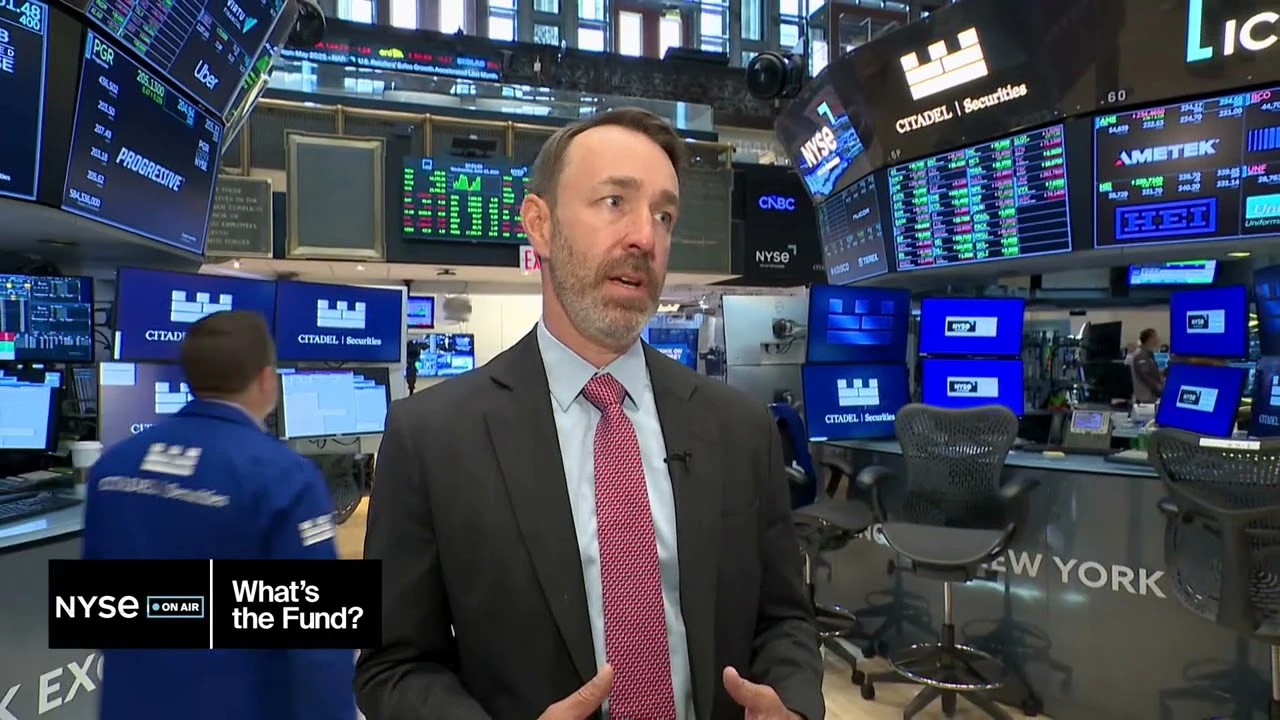
What's the Fund | Ocean Park Diversified Income ETF (DUKZ)
James St Aubin, Chief Investment Officer at Ocean Park Asset Management, discuss the DUKZ ETF, exposing investors to the whole spectrum of asset classes in the fixed income markets, through their rules-based process.

Browse all educational columns



Active Trader Report: Use of Leveraged & Inverse ETFs Way Up
Direxion partnered with Compound Insights and Vanda to explore what’s driving the evolution of active trading — and how active traders are using leveraged and inverse funds across equities, single stocks, commodities, and volatility.