NYSE CRTR Economy Event Watch the replay →



Three Ways You Can Get Higher Income with ETFs
Forget CEFs – ETFs can deliver the same high income potential at a much lower expense ratio.


Keep up with what matters in ETFs
Get timely ETF insights, market trends, and top ideas straight to your inbox.
Your newsletter subscriptions with us are subject to ETF Central's Privacy Policy and Terms and Conditions.
Call it bias, but closed-end funds (CEFs) have always irked me. It's not just the weird discount/premium to NAV mechanics (which, by the way, is solved by ETFs) and the use of leverage.
It's the fact that most of them are so expensive. For instance, Maltisse Capital notes that the median annual report net expense ratio for a CEF is 1.52%. That's a big drag on your yield and total returns.
If you want higher-than-average income, you can get it from a variety of assets via ETFs. Here are three different types to consider, all with 30-day SEC, trailing 12-month, or distribution yields higher than the current fed funds rate of 5.25% - 5.5%.
Like what you're reading?
Stay in the loop — get the latest ETF insights: trends, analysis, and expert picks.
Covered call ETFs
The most popular category for generating higher monthly income is covered call ETFs, an increasingly favored strategy within the options-based ETFs category. These ETFs sell options to produce monthly income, which results in capping their upside potential while cushioning some (but not all) of the downside.
There is a substantial amount of variation within this niche. For instance, the Global X S&P 500 Covered Call ETF
Others, like the Global X Russell 2000 Covered Call ETF
The most popular ETF in this category, however, is the JPMorgan Equity Premium Income ETF
In summary, when you're shopping for a covered call ETF, ask yourself two main questions:
- What is the underlying asset, and how is it selected? (e.g., active vs. index, sector vs. broad market).
- How are the calls written? (e.g., systematically in terms of strikes and expiry dates, or tactically at the manager's discretion).
Master limited partnership (MLP) ETFs
MLPs are an alternative asset class that trades like stocks but aren't actually corporations. They operate primarily in the midstream oil and gas sector, handling the transportation, storage, and processing of energy products. This sector is known for its stable cash flows and exposure to underrepresented infrastructure assets.
However, holding MLPs directly can be problematic due to the issuance of K-1 forms. MLPs issue a K-1 because they are structured as partnerships, not corporations.
The K-1 form reports each investor's share of the partnership's income, deductions, credits, and other financial details, which can complicate tax reporting and potentially delay filing due to its late arrival.
However, holding MLPs in an ETF can avoid this hassle. For instance, the Alerian MLP ETF
If you prefer a lower-cost option, there's also the Global X MLP ETF
Senior loans
As you move down the credit quality ladder from Treasuries to investment-grade corporate bonds to junk bonds, yields tend to increase at the cost of greater default risk. However, there's an interesting exception: senior loans, which rival high-yield bonds in terms of income potential but are arguably safer.
Senior loans are typically issued by companies with lower credit ratings. But the key factor that makes them potentially safer than high-yield bonds is that they are secured. This means they are backed by collateral, often in the form of the company's assets.
In the capital structure, senior loans sit at the top, above subordinated debt and equity. This priority in the event of default means that holders of senior loans have a higher claim on the company's assets, increasing the likelihood of recovering their investment.
Another unique aspect of senior loans is that many have floating interest rates. Unlike most bonds, the interest rates on senior loans adjust periodically based on a reference rate like SOFR. This feature makes senior loans particularly attractive in a rising rate environment.
Just like other bonds, senior loans have been packaged into liquid ETFs that distribute monthly income. Some notable examples include the Invesco Senior Loan ETF
Please note this article is for information purposes only and does not in any way constitute investment advice. It is essential that you seek advice from a registered financial professional prior to making any investment decision.
Topics
See all
Mentioned ETFs
Further reading
Latest ETF News
See all ETF newsThe Super El Niño Trade: Two Potential ETF Winners and Losers


The SpaceX (SPCX) IPO: Here's Which ETFs Already Own it




 Advantages of ETFs over Mutual Funds1/6
Lower Costs
In this guide, we'll explore the advantages of ETFs over mutual funds, giving you valuable insights into why ETFs have gained significant popularity among investors like yourself.
Leveraged ETFs: Unlocking the Potential for Amplified Returns1/6
Understanding Leveraged ETFs
Explore leveraged ETFs: potential for amplified returns & risks. 5 ETFs to consider across equities, commodities & fixed income.
What is a Leveraged ETF?1/6
Introducing Leveraged and Inverse ETFs
In this guide, we'll dive into the world of leveraged ETFs, exploring their definition, mechanics, potential risks, and rewards.
Recent educational content
Asset TV
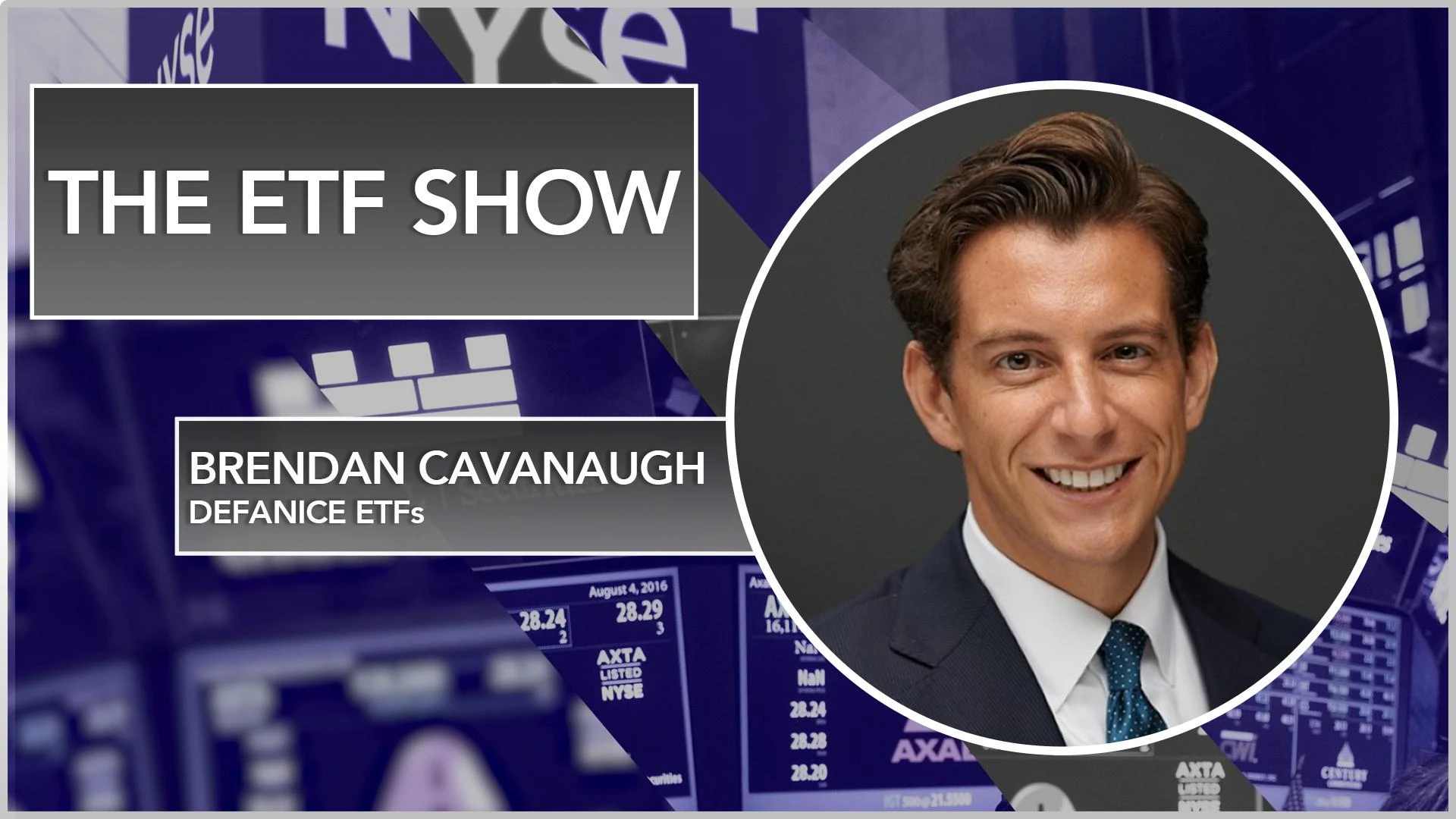
The ETF Show - New Autism-Impact ETF Launched
Defiance ETFs has launched the first ETF, $ASD, focused on the autism ecosystem, investing in companies that provide services, products, and research related to autism and neurodivergence.


ETF Trends
ETF Industry KPIs June 1, 2026
The ETF Industry saw 22 New Launches, 1 Ticker Change and 1 closure last week.

ETF Trends
ETF Industry KPIs May 20, 2026
The ETF Industry saw 44 New Launches, 3 Mutual Fund Conversions and 9 closures last week.
Asset TV
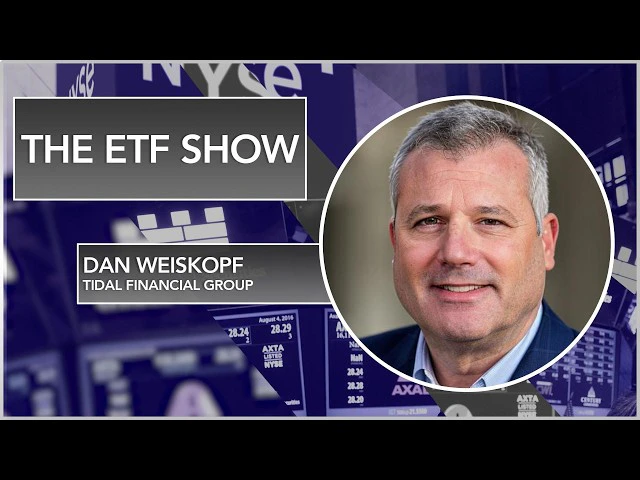
The ETF Show - Politics Becomes Investable Trade through ETFs
Dan Weiskopf, Senior Portfolio Manager at Tidal Financial Group spoke with the ETF Show about Subversive ETFs that help investors trade like politicians.
Browse all educational columns



Build and Analyze Your ETF Portfolio Like a Pro
Create your own ETF portfolio in minutes and instantly see allocations, exposures, performance, and risk. Visualize diversification across asset classes, regions, and sectors. Stress-test ideas, compare benchmarks, and refine your strategy with professional-grade analytics.