NYSE CRTR Economy Event Watch the replay →



S&P 500 Hits New All-Time Highs: 3 S&P 500 ETFs to Watch
Bullish investors can invest in the dominant U.S. market benchmark in four different ways.


Keep up with what matters in ETFs
Get timely ETF insights, market trends, and top ideas straight to your inbox.
Your newsletter subscriptions with us are subject to ETF Central's Privacy Policy and Terms and Conditions.
The S&P 500 Index recently surged to new heights, reaching an all-time high of 4,850 on Monday, January 22, 2024.
This remarkable recovery from its 2022 drawdown comes on the back of a strong bull run in 2023, fueled in large part by the performance of the 'Magnificent Seven' stocks – Microsoft, Apple, Amazon, Alphabet, Tesla, Nvidia, and Meta Platforms.
These companies, due to their substantial market capitalizations, have a significant impact on the performance of this market-cap-weighted index.
While the recent highs might raise concerns about a potential correction among some investors, it's important to remember that betting against the S&P 500 has historically been unwise.
For instance, the latest data from the SPIVA (S&P Indices Versus Active) report highlights that a staggering 92.2% of U.S. large-cap funds have underperformed the S&P 500 over the last 15 years.
Given this context, the adage "if you can't beat them, join them" seems particularly apt. For investors looking to participate in the ongoing success of the S&P 500, several NYSE-listed ETFs offer a convenient and efficient way to invest in this index.
Here are some of the top ETFs tracking the S&P 500 according to the ETF Central screener, each offering a unique approach to gaining exposure to a broad range of leading U.S. companies.
The ETF Industry Is Evolving Fast
From AI infrastructure to active strategies, the ETF landscape is shifting. Share your perspective in the 7th Annual Global ETF Survey and get exclusive early access to the final report.
The reigning king
The SPDR S&P 500 ETF Trust (SPY) remains at the forefront of S&P 500 ETFs, boasting an impressive $478 billion in assets under management (AUM).
Remarkably, this ETF celebrated its 31st anniversary on January 22, 2024, coinciding with the day the S&P 500 index reached its recent all-time high.
Several factors contribute to the enduring popularity of SPY. One significant advantage is its status as the first ETF of its kind, giving it a first-mover advantage that has translated into strong brand name recognition over the years.
Additionally, SPY is known for its very high trading volume and low bid-ask spread, making it an attractive option for both individual and institutional investors. Its liquidity is a major draw, as it allows investors to enter and exit positions with minimal impact on the price.
Another appealing aspect of SPY is its extensive options chain, which offers a wide range of strike prices and expiry dates. This versatility makes SPY not only a staple for those looking to invest directly in the S&P 500 but also a popular instrument for various trading strategies.
The expense ratio of SPY is 0.095%, which, considering its benefits in terms of liquidity, brand recognition, and trading flexibility, offers good value for investors seeking exposure to the S&P 500.
The budget option
The SPDR Portfolio S&P 500 ETF (SPLG) represents State Street's competitive response to the lower-cost S&P 500 ETFs introduced by Vanguard and iShares over the years.
In a move to stay competitive and appealing to cost-conscious investors, SPLG offers an even lower expense ratio of 0.03%. This means for a $10,000 investment in SPLG, the annual fees amount to a mere $3.
Designed as a core portfolio building block, SPLG offers an accessible price point, trading at around $57 per share, in contrast to SPY, which trades at around $484 per share at the time of writing.
This lower per-share price can be more appealing to individual investors, especially those starting with smaller investment amounts, looking to implement dollar-cost averaging strategies, or don’t have fractional trading with a brokerage.
Due to its lower price and expense ratio, SPLG has garnered significant investor interest, amassing $27 billion in assets under management.
The contrarian play
Being a market-cap-weighted index, the S&P 500 tends to be top-heavy. Currently, the top 10 holdings alone account for about 30% of the index's total weight, with the technology sector representing around 29%. This concentration can skew the index's performance towards these top holdings.
For investors looking to make a contrarian bet against this market-cap-weighted approach, the Invesco S&P 500 Equal Weight ETF (RSP) presents an interesting alternative.
RSP diverges from the typical weighting methodology by allocating an equal weight of 0.2% to each stock in the S&P 500 at every quarterly rebalance. This strategy ensures a more balanced representation of all 500 companies, regardless of their size.
It's important to note that RSP has lagged behind SPY in terms of performance, particularly in the past year. While SPY returned 26.19%, RSP posted a return of 13.7%.
This difference in performance highlights the impact of the weighting strategy on the ETF's returns, especially in a market environment where the largest companies have been driving the index's gains.
However, this strategy comes at a cost, with RSP having a higher expense ratio of 0.20% and potentially higher turnover due to its quarterly rebalancing.
For investors who are comfortable with these aspects and are looking for a way to counterbalance the market-cap-weighted nature of most S&P 500 funds, RSP is certainly an ETF to watch.
Please note this article is for information purposes only and does not in any way constitute investment advice. It is essential that you seek advice from a registered financial professional prior to making any investment decision.
Latest ETF News
See all ETF newsMoneyShow Chart of the Day 6/3/26: AI. AI. AI. (And a Handful of Other Stocks, Too)


MoneyShow Chart of the Day 5/27/26: SpaceX Hype Sends Space Stocks into Orbit






 Advantages of ETFs over Mutual Funds1/6
Lower Costs
In this guide, we'll explore the advantages of ETFs over mutual funds, giving you valuable insights into why ETFs have gained significant popularity among investors like yourself.
Leveraged ETFs: Unlocking the Potential for Amplified Returns1/6
Understanding Leveraged ETFs
Explore leveraged ETFs: potential for amplified returns & risks. 5 ETFs to consider across equities, commodities & fixed income.
What is a Leveraged ETF?1/6
Introducing Leveraged and Inverse ETFs
In this guide, we'll dive into the world of leveraged ETFs, exploring their definition, mechanics, potential risks, and rewards.
Recent educational content
Asset TV
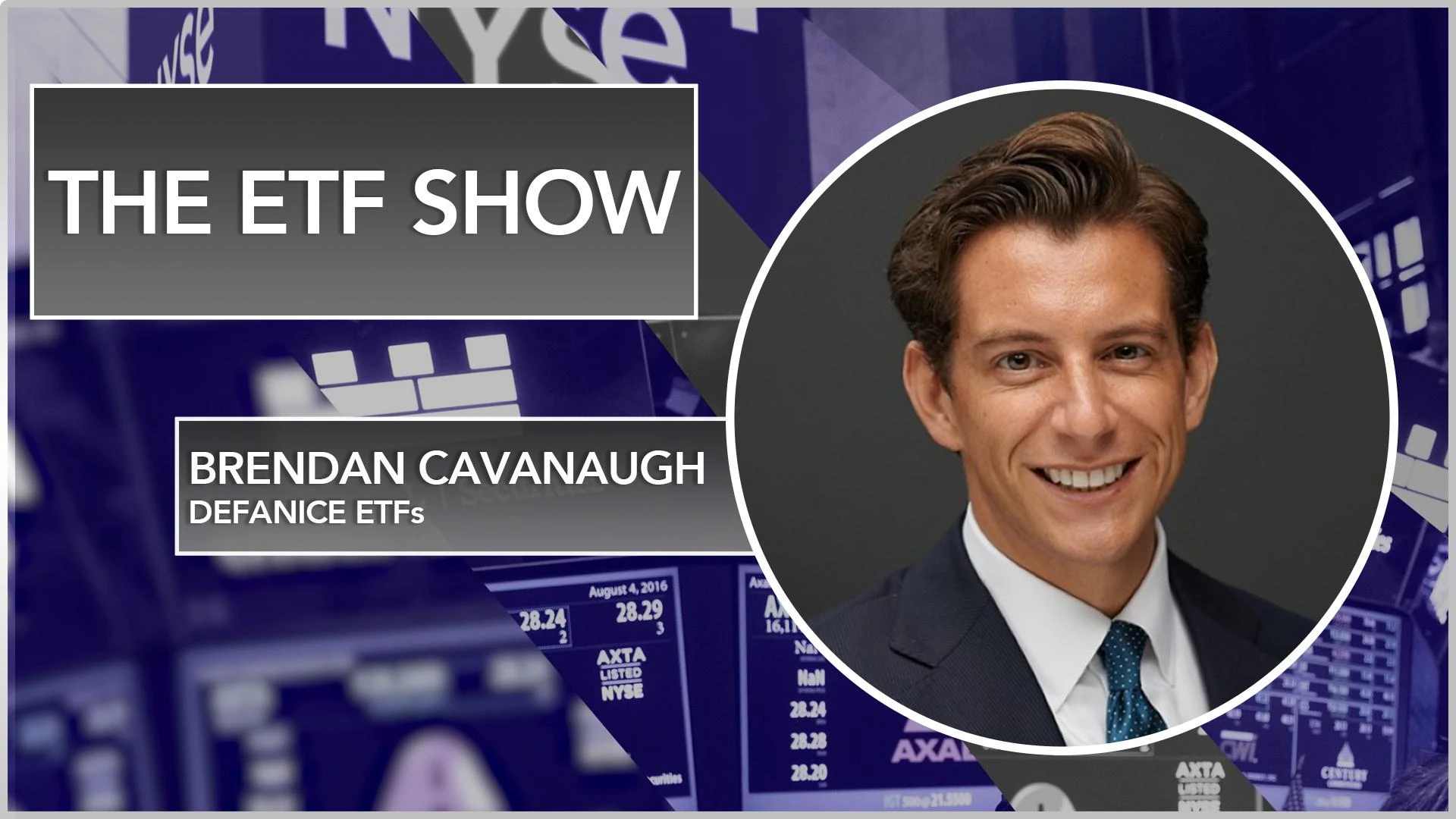
The ETF Show - New Autism-Impact ETF Launched
Defiance ETFs has launched the first ETF, $ASD, focused on the autism ecosystem, investing in companies that provide services, products, and research related to autism and neurodivergence.


ETF Trends
ETF Industry KPIs June 1, 2026
The ETF Industry saw 22 New Launches, 1 Ticker Change and 1 closure last week.

ETF Trends
ETF Industry KPIs May 20, 2026
The ETF Industry saw 44 New Launches, 3 Mutual Fund Conversions and 9 closures last week.
Asset TV
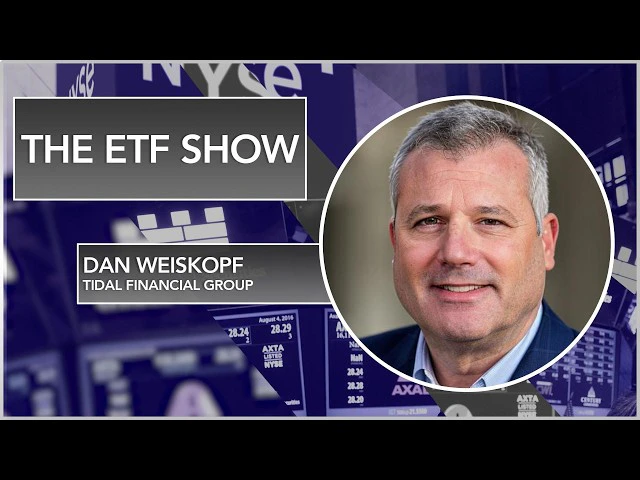
The ETF Show - Politics Becomes Investable Trade through ETFs
Dan Weiskopf, Senior Portfolio Manager at Tidal Financial Group spoke with the ETF Show about Subversive ETFs that help investors trade like politicians.
Browse all educational columns



Build and Analyze Your ETF Portfolio Like a Pro
Create your own ETF portfolio in minutes and instantly see allocations, exposures, performance, and risk. Visualize diversification across asset classes, regions, and sectors. Stress-test ideas, compare benchmarks, and refine your strategy with professional-grade analytics.