ETF model portfolios designed for real investor needs. Discover →



Real Estate Sector Suffers Third Weekly Loss Amid Rising Treasury Yields
Explore how the high interest rate environment is shaping the real estate sector’s performance, making it the main detractor within the S&P 500 benchmark index with a year-to-date decline of 10.5%.


Keep up with what matters in ETFs
Get timely ETF insights, market trends, and top ideas straight to your inbox.
Your newsletter subscriptions with us are subject to ETF Central's Privacy Policy and Terms and Conditions.
Real estate ETFs are facing significant headwinds, entering their third consecutive week of downturns (-3.16% week over week) and affirming their position as this year's laggard with a 9.3% year-to-date loss. This article delves into the challenges faced by Real Estate ETFs amidst the prevailing high interest rate environment.
Like what you're reading?
Stay in the loop — get the latest ETF insights: trends, analysis, and expert picks.
The Impact of High Interest Rates on Real Estate
The performance of the real estate sector is closely tied to interest rate movements. High interest rates increase borrowing costs for purchasing properties, which logically dampens investment in real estate. This fundamental truth has been starkly evident in recent times. Concerns about rising Treasury yields were even intensifying this week as Atlanta Fed President Raphael Bostic warned that the U.S. central bank could hike interest rates if inflation remained sticky. Therefore, it comes as no surprise that the U.S. 10-year Bond yield has increased by 74 basis points since the end of 2023. This constraint is all the more significant as the sector is already facing serious challenges such as rising vacancy rates and changing demands for office space in the wake of the COVID-19 pandemic.
Shifting Expectations and Continued Struggles
Investors had harbored hopes of a rate cut by the Federal Reserve in the second quarter of the year. However, the announcement that such a cut would not materialize until at least next September shattered these expectations. This delay is particularly detrimental to the real estate sector, known for its sensitivity to interest rate fluctuations.
ETF focus
As an illustration, the Vanguard Real Estate ETF (
Group Data
Index Data
Funds Specific Data: VNQ, SCHH, XLRE, IYR, DFGR, RWR, FREL, HAUZ, AVRE
Please note this article is for information purposes only and does not in any way constitute investment advice. It is essential that you seek advice from a registered financial professional prior to making any investment decision.


Latest ETF News
See all ETF newsMoneyShow Chart of the Day 9/4/26: Don't Just Watch Oil. Watch THESE.


Chart of the Day 8/14/26: The Great "Hot Money" Migration

MoneyShow Chart of the Day 7/29/26: Now, THAT's What I Call Market Rotation!

MoneyShow Chart of the Day 7/16/26: Good News/Bad News on Inflation (and the Fed)




 Advantages of ETFs over Mutual Funds1/6
Lower Costs
In this guide, we'll explore the advantages of ETFs over mutual funds, giving you valuable insights into why ETFs have gained significant popularity among investors like yourself.
Leveraged ETFs: Unlocking the Potential for Amplified Returns1/6
Understanding Leveraged ETFs
Explore leveraged ETFs: potential for amplified returns & risks. 5 ETFs to consider across equities, commodities & fixed income.
What is a Leveraged ETF?1/6
Introducing Leveraged and Inverse ETFs
In this guide, we'll dive into the world of leveraged ETFs, exploring their definition, mechanics, potential risks, and rewards.
Recent educational content

ETF Trends
ETF Industry KPIs September 8, 2026
This week’s KPI data overview highlights key metrics and trends shaping the ETF landscape.

ETF Trends
ETF Industry KPIs August 31, 2026
This week’s KPI data overview highlights key metrics and trends shaping the ETF landscape.
ETF Trends
ETF Industry KPIs August 24, 2026
This week’s KPI data overview highlights key metrics and trends shaping the ETF landscape.
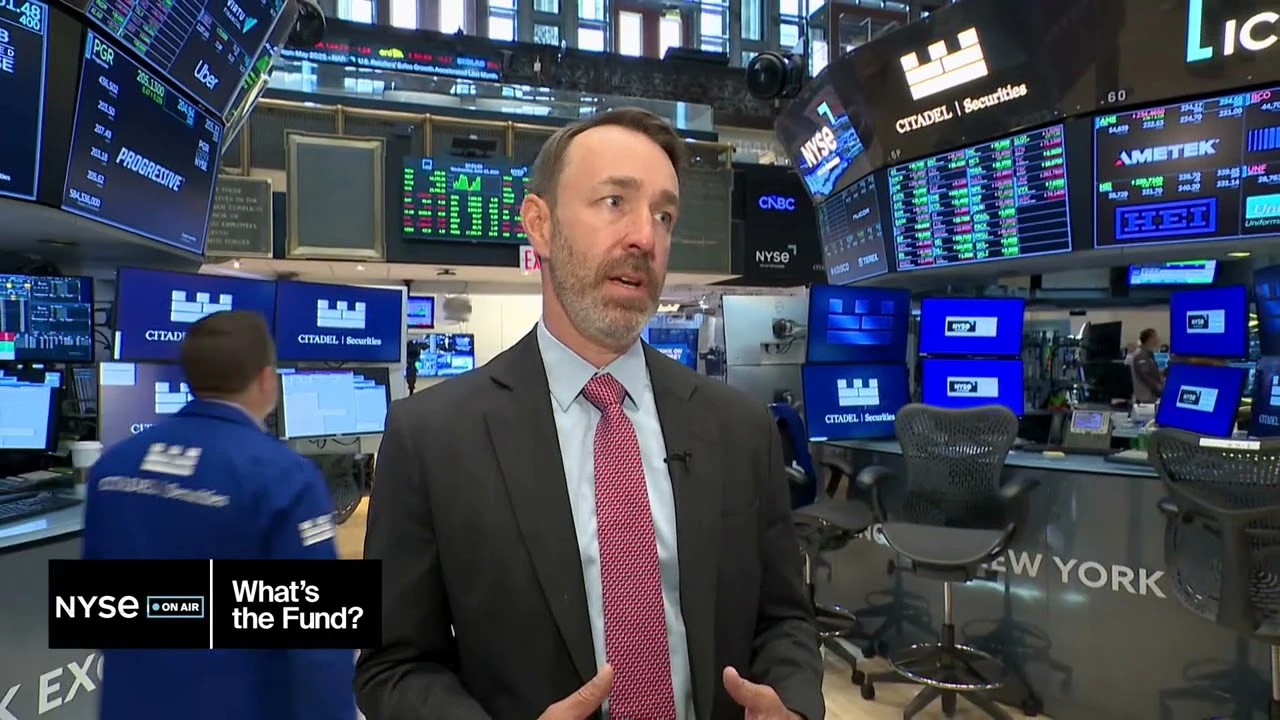
What’sTheFund
What's the Fund | Ocean Park Diversified Income ETF (DUKZ)
James St Aubin, Chief Investment Officer at Ocean Park Asset Management, discuss the DUKZ ETF, exposing investors to the whole spectrum of asset classes in the fixed income markets, through their rules-based process.

Browse all educational columns



Build and Analyze Your ETF Portfolio Like a Pro
Create your own ETF portfolio in minutes and instantly see allocations, exposures, performance, and risk. Visualize diversification across asset classes, regions, and sectors. Stress-test ideas, compare benchmarks, and refine your strategy with professional-grade analytics.