Open Now: The Global ETF Survey Take the Survey →



Private Credit in ETFs: Unlocking Opportunity or Unleashing Risk?
Private credit ETFs offer the potential for higher returns, but can they overcome their inherent challenges?


Keep up with what matters in ETFs
Get timely ETF insights, market trends, and top ideas straight to your inbox.
Your newsletter subscriptions with us are subject to ETF Central's Privacy Policy and Terms and Conditions.
In the ever-evolving world of exchange-traded funds (ETFs), a new frontier is emerging: private credit. Traditionally accessible only to institutional investors, private credit involves lending to companies outside public markets—often with higher risk but the potential for greater returns. This asset class includes loans such as direct lending, mezzanine debt, and collateralized loan obligations (CLOs). As a growing number of major asset managers like BlackRock and Apollo push to bring private credit into the ETF space, it’s important to understand both the opportunities and risks involved.
Get data on 14,000+ ETFs
Access Trackinsight's reliable and comprehensive data with 500M+ points on 14,000+ ETFs.
What is Private Credit?
Private credit refers to non-bank loans provided to companies, typically in the middle market, that seek financing outside of public markets. Unlike public debt, these loans are often customized, offer higher yields, and are usually less liquid. Private credit has become increasingly popular with institutional investors looking for alternatives to traditional bonds in a low-yield environment.
The appeal of bringing private credit to the ETF structure is clear—providing liquidity and accessibility to an asset class that was once reserved for a select few. But while ETFs have democratized many markets, private credit brings with it unique challenges that must be addressed for ETFs to operate effectively and safely.
The Risks and Key Challenges of Private Credit ETFs
Private credit, while attractive for its higher returns, presents significant challenges that must be addressed to function effectively in an ETF structure. The key issues revolve around liquidity, valuation, and investor protection, all of which are critical for ensuring the fund operates smoothly, particularly in stressed market conditions.
- Illiquidity: Private credit markets are far less liquid than public debt markets, creating a mismatch when investors expect daily liquidity in ETFs. In times of market stress or large-scale redemptions, this can lead to significant problems, as the underlying assets cannot be easily sold without impacting the market.
- Valuation Challenges: Unlike publicly traded securities with transparent pricing, private credit assets are harder to value in real-time. This makes accurate, daily pricing difficult and can lead to discrepancies in the ETF’s net asset value (NAV), especially during periods of volatility. Accurate NAV calculations require robust valuation frameworks, often utilizing third-party providers to prevent conflicts of interest and ensure fair pricing.
- Liquidity and Investor Protection: To address liquidity concerns, ETF issuers must carefully plan how to handle rapid redemptions. Without sufficient liquidity, fund managers may be forced to sell illiquid assets at distressed prices, damaging performance. Implementing efficient redemption protocols and clear disclosures about the risks involved are essential for safeguarding investor interests.
These challenges highlight the importance of strong risk management practices, particularly as private credit ETFs aim to blend illiquid assets with liquid ones to provide some degree of redemption flexibility. However, ensuring liquidity in stressed markets remains a significant hurdle, one that requires strategic planning and oversight.
The Illusion of Calm Markets
In calm market conditions, private credit may appear to be a highly attractive asset class. The allure of higher yields, coupled with perceived stability in normal market environments, can make these products seem like a good fit for ETF portfolios. However, what really needs to be discussed is what happens during periods of market stress, particularly during 2 or 3 standard deviation events—rare but extreme occurrences that can wreak havoc on liquidity and pricing.
During the COVID-19 pandemic, even highly liquid products like bond ETFs faced severe liquidity challenges. As market conditions deteriorated, liquidity dried up and spreads widened dramatically, creating immense pressure. Market makers, who typically provide liquidity for these ETFs, were shocked when they requested redemption baskets and found that many of the underlying bonds had no liquidity. Given that bond markets do not trade on a specific exchange, some bonds were essentially untradeable. This forced market makers to demand the more liquid bonds or threaten to significantly reduce their participation in making markets—or stop providing liquidity altogether.
This put ETF issuers at risk of losing their liquidity providers, further exacerbating the crisis. To manage the situation, portfolio managers were left with limited and imperfect options:
- Selling only the most liquid bonds to meet redemptions, which left the remaining portfolio unbalanced and weaker as less liquid, higher-risk bonds remained.
- Offering cash redemptions, which forced portfolio managers to sell bonds at distressed levels, further harming the fund's overall performance.
- Maintaining a pro-rata slice of the fund, which sought to preserve balance but still faced liquidity challenges given the state of the market.
Ultimately, none of these solutions were perfect, and each carried significant risks that could hurt both the fund and the investors. This situation provides a stark reminder of the potential risks in illiquid markets—something that would be magnified in private credit ETFs, where liquidity challenges could be even more severe.
However, the ETF community took the lessons learned during the COVID-19 crisis and has since implemented resiliency measures and procedures to help mitigate future liquidity issues. These enhancements include improved redemption protocols, emergency liquidity planning, and more rigorous stress testing to ensure funds are better prepared to handle severe market dislocations. While these measures are a step forward, the complexity and illiquidity of private credit ETFs present a unique set of challenges that will require even more robust planning and execution.
The Role of Capital Markets Experts
As private credit ETFs evolve, the importance of capital markets experts cannot be overstated. These professionals are essential for managing the complex relationships between the ETF issuer, primary market participants (such as authorized participants and market makers), and the secondary market, where ETF shares are traded by investors.
In times of market stress or volatility, capital markets experts are responsible for ensuring that the primary market—where ETF shares are created and redeemed—continues to function smoothly. They work closely with market makers and authorized participants to facilitate the creation/redemption process and ensure that liquidity remains available even when underlying assets, such as private credit loans, are harder to trade. Maintaining these critical relationships helps ensure that investors can efficiently trade ETF shares in the secondary market without excessive premiums or discounts to the fund’s NAV.
Capital markets professionals also play a key role in managing performance in the secondary market, monitoring liquidity and spread dynamics to ensure that the ETF trades in line with its underlying assets. Their expertise is vital for maintaining fair value pricing, accurate NAV calculations, and ensuring that both the primary and secondary markets remain stable and functional during periods of stress.
By managing these relationships and market functions, capital markets experts provide a critical layer of protection for the fund and its investors, helping to minimize disruption and optimize liquidity in challenging market environments.
BlackRock and Apollo’s Proposed Solutions
Major players like BlackRock and Apollo are actively working to bring private credit ETFs to market, but they recognize the challenges ahead. Both firms have proposed hybrid structures that blend private credit with more liquid assets such as investment-grade bonds or publicly traded loans. This mixed approach allows the fund to offer some liquidity while still providing exposure to the higher yields associated with private credit.
While these hybrid models may initially add liquidity, there is a critical question: What happens if there is a run on that liquidity? In times of market stress, if investors rush to redeem their shares, the liquid portion of the ETF could be rapidly depleted, leaving the fund out of balance. This raises the issue of how the fund would rebalance without being forced to sell illiquid private credit assets at distressed prices. A misalignment between liquid and illiquid assets could hinder the ETF’s ability to maintain its intended exposure, potentially damaging both fund performance and, more importantly, the end investor.
Additionally, a key aspect of these hybrid structures is ensuring that the net asset value (NAV) of the ETF remains accurate and truly reflects the value of the underlying assets. This becomes particularly difficult during periods of market volatility. It’s critical that multiple third-party valuation sources are used to provide transparency and prevent potential conflicts of interest. In normal market conditions, valuation models may function adequately, but in a stressed market, discrepancies in valuation could significantly impact the price at which investors can enter or exit the fund. To manage this risk, strong fair value pricing mechanisms and reliance on multiple independent valuation providers will be essential to ensure accuracy.
Moreover, there is a broader concern: What if Apollo itself encounters issues during a market downturn? While Apollo has committed to providing firm bids for private credit assets in the event of significant redemptions, a financial strain on Apollo could limit its ability to offer liquidity. This presents a potential systemic risk, where the reliance on one liquidity provider could lead to cascading problems for the ETF and its investors.
In summary, while BlackRock and Apollo’s hybrid solutions may mitigate some of the immediate liquidity concerns, ensuring the balance between liquid and illiquid assets during periods of market stress remains a significant challenge. Accurate NAV calculations, supported by independent third parties, and robust fair-value practices will be key to protecting both the fund and its investors during volatile periods. Furthermore, ensuring that liquidity providers, such as Apollo, can meet their obligations even in stressed conditions is essential to avoid exacerbating the risks for investors.
Conclusion
While private credit represents an exciting opportunity for the ETF market, the challenges of valuation, liquidity, and investor safety cannot be overlooked. As major asset managers push forward with private credit ETF products, it will be critical to address these issues head-on to ensure a safe, transparent, and well-functioning market for all investors. If done right, private credit ETFs could open the door to new opportunities in portfolios, but careful planning and risk management will be essential for their long-term success.
About the Author
Nicholas Phillips | President of ETF Capital Markets Advisors LLC
With over 25 years of experience in ETF market making and capital markets, Nicholas Phillips is recognized as a subject matter expert in the ETF industry. He started his career spending the first ten years as a lead market maker for SIG and Goldman Sachs. At the helm of MCAP LLC's ETF Desk, Nicholas built and scaled the division, enhancing its operations through innovative pricing and risk models, and robust relationships with market makers and issuers. His tenure at Van Eck Associates as Director of ETF Capital Markets further solidified his expertise, managing critical facets of operations and deepening connections within the trading community. Beyond market making, Nicholas is an avid content creator, sharing insights that demystify complex market dynamics. He is keen on exploring board member roles that benefit from his extensive background and forward-thinking approach to ETF strategies. His dual US/Ireland citizenship complements his global perspective, enriching his professional endeavors in diverse markets.
Disclaimer
Please note this article is for information purposes only and does not in any way constitute investment advice. It is essential that you seek advice from a registered financial professional prior to making any investment decision.


Latest ETF News
See all ETF news








 Advantages of ETFs over Mutual Funds1/6
Lower Costs
In this guide, we'll explore the advantages of ETFs over mutual funds, giving you valuable insights into why ETFs have gained significant popularity among investors like yourself.
Leveraged ETFs: Unlocking the Potential for Amplified Returns1/6
Understanding Leveraged ETFs
Explore leveraged ETFs: potential for amplified returns & risks. 5 ETFs to consider across equities, commodities & fixed income.
What is a Leveraged ETF?1/6
Introducing Leveraged and Inverse ETFs
In this guide, we'll dive into the world of leveraged ETFs, exploring their definition, mechanics, potential risks, and rewards.
Recent educational content

ETF Trends
ETF Industry KPIs July 13, 2026
This week’s KPI data overview highlights key metrics and trends shaping the ETF landscape.


First Look ETF
First Look ETF: Cash Deployment, Bond, and Hedged ETFs
In this season 6 episode of First Look ETF, Stephanie Stanton examines the latest ETF marketplace trends with NYSE and guests.

ETF Trends
ETF Industry KPIs July 6, 2026
This week’s KPI data overview highlights key metrics and trends shaping the ETF landscape.
Asset TV
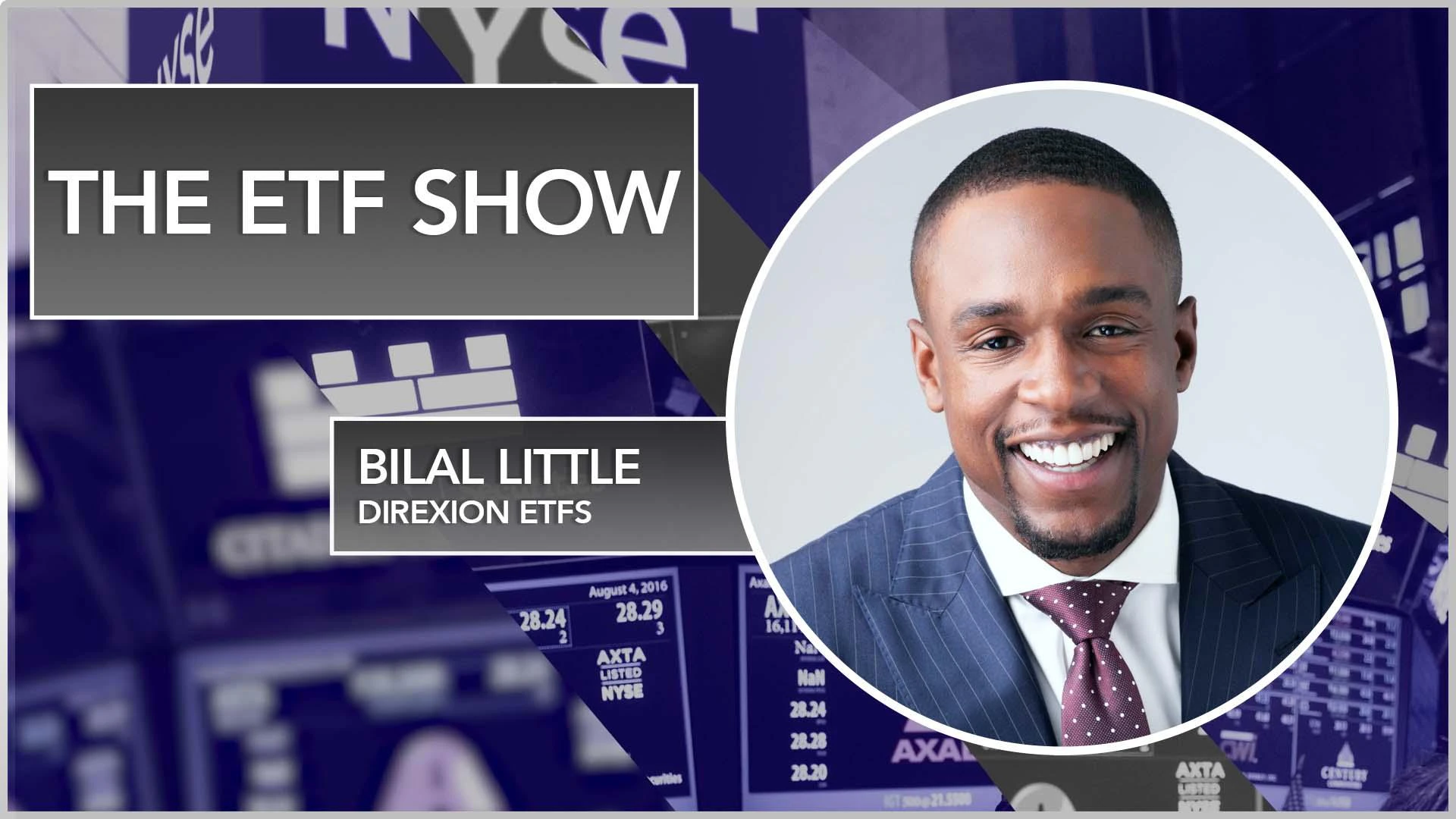
The ETF Show - The Evolution of Leveraged & Inverse ETFs
Leveraged and inverse ETFs have exploded in popularity over the past decade capturing more assets as retail traders seek to capture volatility.

Browse all educational columns



Expert-Built ETF Portfolios, All in One Place
Don’t start from scratch. Discover ready-made ETF portfolios built by professionals to match different goals, timelines, and market views. Use them as inspiration or as a starting point for your own allocation.