Create, analyze, optimize your ETF portfolio. Start now →



Private Credit ETFs: A New Frontier, But Is Liquidity a Concern?
Can the ETF wrapper handle the illiquid world of private credit?


Keep up with what matters in ETFs
Get timely ETF insights, market trends, and top ideas straight to your inbox.
Your newsletter subscriptions with us are subject to ETF Central's Privacy Policy and Terms and Conditions.
The SEC’s recent approval of State Street and Apollo’s Private Credit ETF (PRIV) marks a significant milestone in ETF innovation, offering a new way for investors to access private credit markets. However, while the structure provides potential benefits, the liquidity challenges of these hybrid ETFs remain a pressing concern—especially during times of market stress.
Private credit assets are inherently illiquid, and while Apollo has committed to providing bids for these holdings, there is no defined daily limit on how much liquidity it can actually provide. This raises important questions:
- What happens when investors rush to redeem during a crisis?
- How does the ETF maintain its balance between liquid and illiquid holdings?
- What systemic risks arise if the liquidity provider (Apollo) faces its own challenges?
Like what you're reading?
Stay in the loop — get the latest ETF insights: trends, analysis, and expert picks.
The Liquidity Mismatch: A Fragile Balance
The core issue with private credit ETFs is the fundamental mismatch between daily liquidity and illiquid holdings. In a normal market, the ETF may function as designed, balancing public and private credit within a reasonable range. But in a stressed environment, redemptions could rapidly deplete the fund’s liquid assets, forcing the ETF to either:
- Sell illiquid private credit holdings at distressed prices, impacting NAV and fund performance.
- Use credit lines or bridge financing to meet redemptions, adding counterparty risk.
- Restrict or delay redemptions, which could shatter investor confidence and widen trading spreads.
A worst-case scenario would be a liquidity spiral, where outflows lead to a rising concentration of illiquid private credit within the ETF—further reducing liquidity and increasing the risk of NAV dislocations.
Valuation Challenges & Fair Value Pricing
One of the most overlooked risks in private credit ETFs is NAV accuracy. Private credit securities do not trade daily, making valuation inherently complex. While Apollo provides price bids for the assets, the challenge is ensuring that these valuations accurately reflect market reality, especially in times of stress.
To mitigate this, private credit ETFs must:
- Utilize multiple independent third-party valuation sources to prevent conflicts of interest.
- Strengthen fair-value pricing models to adjust NAV during volatile periods.
- Ensure that APs and market makers have confidence in pricing, so they are willing to facilitate efficient ETF trading.
If valuation lags reality, investors could either overpay or under receive on redemptions, leading to potential mispricing’s and liquidity gaps in the secondary market.
Systemic Risk: What If Apollo Faces Trouble?
Another looming question is: What happens if Apollo itself faces financial distress?
While Apollo has committed to providing bids for private credit assets, its ability to do so depends on its own financial health. In a severe market downturn, if Apollo’s liquidity deteriorates or dries up, the ETF could be left without a reliable buyer of last resort.
This scenario introduces a new type of systemic risk for ETFs, where an issuer’s financial condition could directly impact ETF liquidity. Investors need greater transparency into Apollo’s liquidity commitments, including:
- Clearer daily liquidity limits and whether Apollo has the ability to scale its commitments.
- Alternative sources of liquidity, ensuring the ETF is not entirely dependent on Apollo’s willingness or ability to transact.
- Regulatory oversight and stress testing to assess how well these structures hold up under pressure.
Final Thoughts: Can Private Credit ETFs Handle Market Stress?
Private credit ETFs are an exciting development, but their success hinges on how well they can manage liquidity during turbulent periods. The industry must ensure that proper guardrails—fair value pricing, independent valuations, and diversified liquidity providers—are in place before widespread adoption occurs.
If structured correctly, private credit ETFs could offer investors new opportunities to access a historically hard-to-reach asset class. But without careful liquidity management and transparency, they risk becoming a dangerous liquidity trap—one that could leave investors stuck holding the least liquid portions of the fund when they need to exit most.
The real test will come when market volatility strikes. Will these ETFs function smoothly, or will they reveal structural weaknesses that force regulators to rethink their approval?
For now, private credit ETFs represent both an innovation and an experiment—one that investors must approach with caution.
About the Author
Nicholas Phillips | President of ETF Capital Markets Advisors LLC
With over 25 years of experience in ETF market making and capital markets, Nicholas Phillips is recognized as a subject matter expert in the ETF industry. He started his career spending the first ten years as a lead market maker for SIG and Goldman Sachs.
At the helm of MCAP LLC's ETF Desk, Nicholas built and scaled the division, enhancing its operations through innovative pricing and risk models, and robust relationships with market makers and issuers. His tenure at Van Eck Associates as Director of ETF Capital Markets further solidified his expertise, managing critical facets of operations and deepening connections within the trading community.
Beyond market making, Nicholas is an avid content creator, sharing insights that demystify complex market dynamics. He is keen on exploring board member roles that benefit from his extensive background and forward-thinking approach to ETF strategies. His dual US/Ireland citizenship complements his global perspective, enriching his professional endeavors in diverse markets.
Disclaimer
Please note this article is for information purposes only and does not in any way constitute investment advice. It is essential that you seek advice from a registered financial professional prior to making any investment decision.


Latest ETF News
See all ETF newsWho Really Owns a White-Label ETF?

What If a Futures-Based ETF Never Had to Roll Again?

How Do You Build a Winning ETF Business?

Losers Of Q2 2026 REIT Earnings Season


Winners of Q2 2026 REIT Earnings Season



 Advantages of ETFs over Mutual Funds1/6
Lower Costs
In this guide, we'll explore the advantages of ETFs over mutual funds, giving you valuable insights into why ETFs have gained significant popularity among investors like yourself.
Leveraged ETFs: Unlocking the Potential for Amplified Returns1/6
Understanding Leveraged ETFs
Explore leveraged ETFs: potential for amplified returns & risks. 5 ETFs to consider across equities, commodities & fixed income.
What is a Leveraged ETF?1/6
Introducing Leveraged and Inverse ETFs
In this guide, we'll dive into the world of leveraged ETFs, exploring their definition, mechanics, potential risks, and rewards.
Recent educational content

ETF Trends
ETF Industry KPIs August 31, 2026
This week’s KPI data overview highlights key metrics and trends shaping the ETF landscape.

ETF Trends
ETF Industry KPIs August 24, 2026
This week’s KPI data overview highlights key metrics and trends shaping the ETF landscape.
What’sTheFund
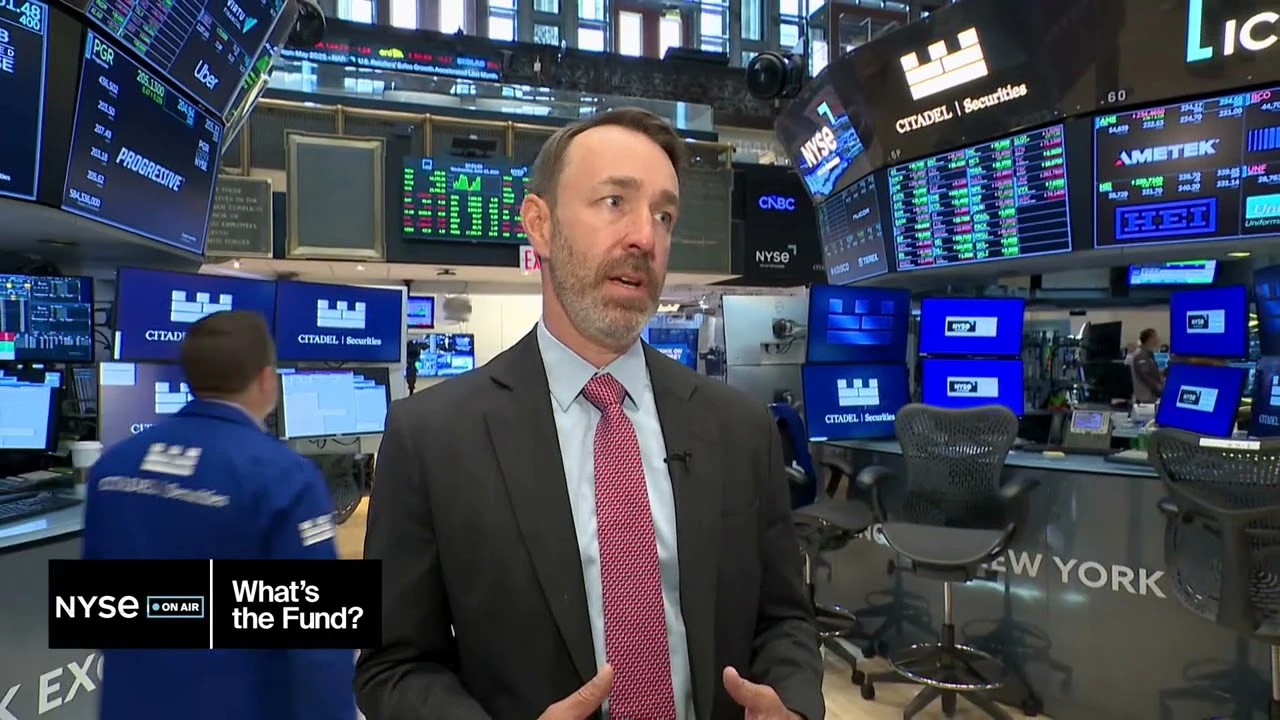
What's the Fund | Ocean Park Diversified Income ETF (DUKZ)
James St Aubin, Chief Investment Officer at Ocean Park Asset Management, discuss the DUKZ ETF, exposing investors to the whole spectrum of asset classes in the fixed income markets, through their rules-based process.

ETF Takeaway
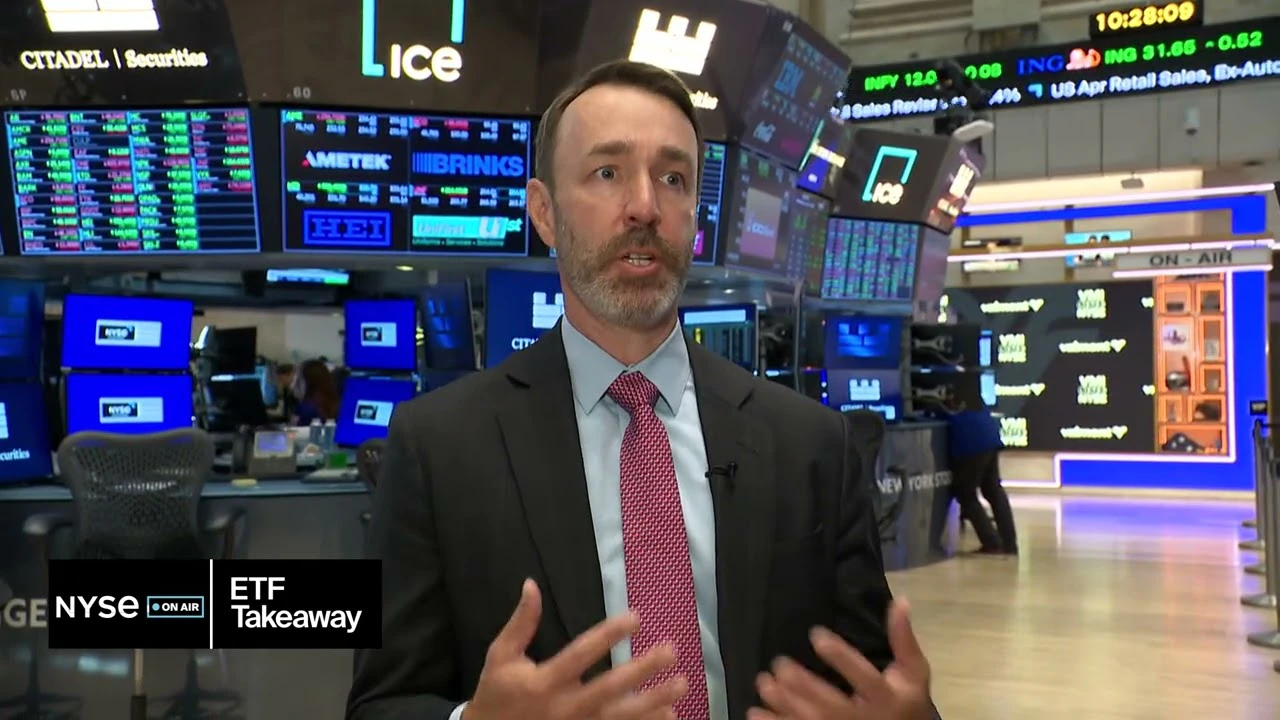
ETF Takeaway: Ocean Park Diversified Income ETF (DUKZ)
James St Aubin, Chief Investment Officer at Ocean Park Asset Management discusses the state of fixed income markets and how their DUKZ ETF, through their rules-based process, tactically allocates to 11 sectors of fixed income through underlying ETFs.
Browse all educational columns



Expert-Built ETF Portfolios, All in One Place
Don’t start from scratch. Discover ready-made ETF portfolios built by professionals to match different goals, timelines, and market views. Use them as inspiration or as a starting point for your own allocation.