Ready-made ETF portfolios built for real investor needs. Explore now →



From Potential to Policy: Cannabis in a New Political Climate
Shifting political tides and GOP support could drive cannabis growth, offering investment opportunities amid evolving U.S. policies.

Keep up with what matters in ETFs
Get timely ETF insights, market trends, and top ideas straight to your inbox.
Your newsletter subscriptions with us are subject to ETF Central's Privacy Policy and Terms and Conditions.
As we head into a period marked by economic uncertainties and political realignments, cannabis remains one of the most intriguing yet volatile investment sectors. This year, cannabis stocks have highlighted the industry's balance of growth potential and challenges, particularly as the regulatory and political landscape continues to shift. With a new administration under Trump, who has shown increasing support for cannabis and a pro-business stance, the sector could see new opportunities emerge in the coming year and beyond.
Like what you're reading?
Stay in the loop — get the latest ETF insights: trends, analysis, and expert picks.
Political and Legal Developments Fueling Market Swings
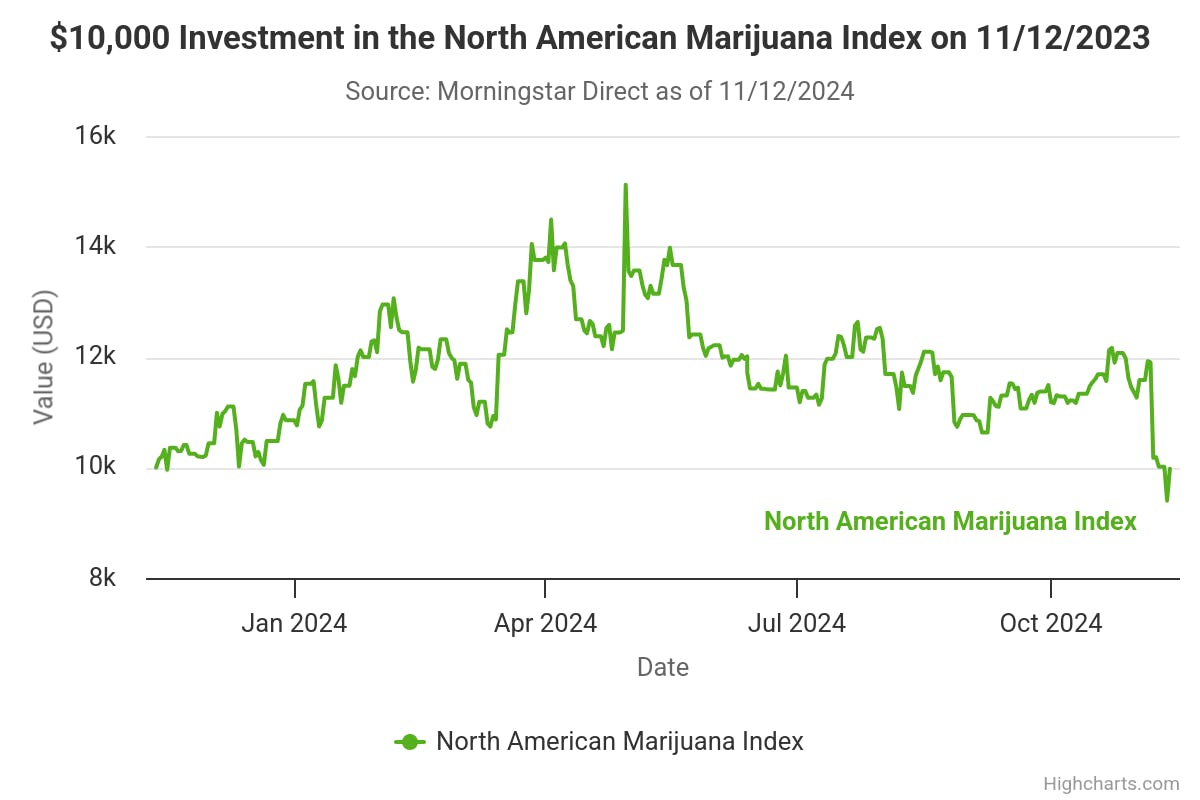
Cannabis stocks often reflect broader political currents, reacting sharply to shifts in public opinion and policy decisions. For example, in November 2024, the sector saw a steep drop after Florida voters narrowly rejected an adult-use cannabis measure.
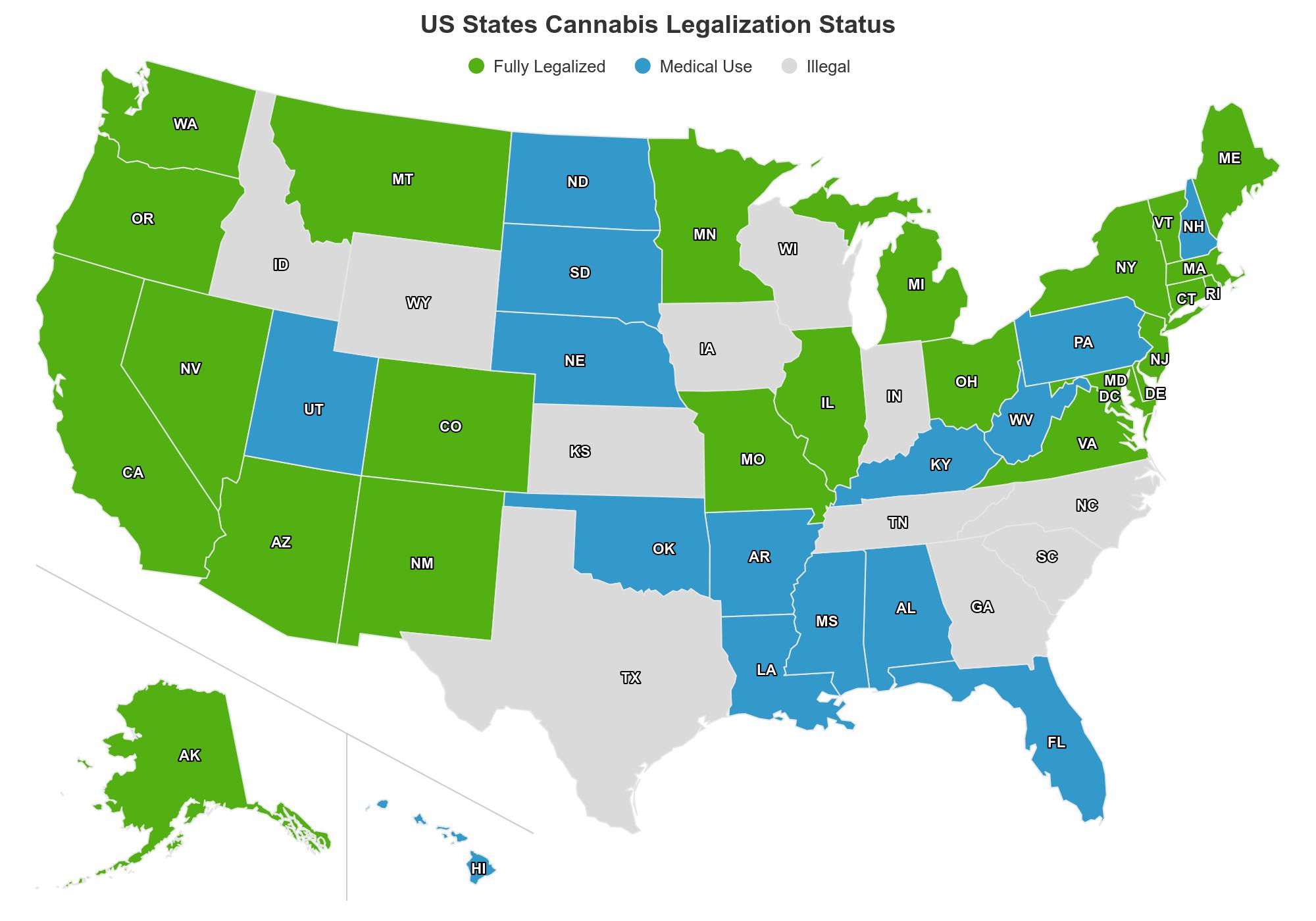
Despite this setback, 56% of Floridians voted for legalization (representing over a million people), however the bill needed 60% to pass, underscoring the growing support—even in conservative states. (Marijuana Moment) This shift signals a slow but steady momentum towards broader legalization, reflecting changing tides among a diverse demographic of Americans, including conservative voters. Meanwhile, Nebraska saw a positive shift with the passage of measures allowing medical cannabis, highlighting a more cautious but still progressive stance in this region.
Why Republicans Are Embracing Cannabis
With Republicans taking control, there's a unique opportunity for the GOP to reconsider cannabis policy through an economic and socially conscious lens. Legalization aligns with core Republican values such as American job creation, economic growth, and states' rights, making it an increasingly appealing issue for a wide conservative base.
- Economic Growth and Job Creation
Legalizing cannabis could provide a much-needed boost to the economy by creating jobs, generating tax revenue, and opening doors for new businesses. States with legal cannabis have already reported billions in tax revenue, supporting infrastructure, healthcare, and education. For Republicans focused on economic growth and lowering unemployment, the cannabis industry presents a viable pathway for strengthening local economies. It is estimated if cannabis were legal in all 50 states and at the federal level, there could be 1.46 million cannabis related jobs.
- States’ Rights and Limited Federal Intervention
A cornerstone of conservative ideology is the belief in states’ rights. By allowing states to determine their own cannabis laws, Republicans can advocate for policies that reflect local priorities, without federal overreach. Supporting a state-regulated cannabis market respects the principle of decentralization, giving local governments the power to manage the industry on their own terms.
- Criminal Justice Reform and Fiscal Responsibility
Cannabis reform also aligns with Republican values of reducing unnecessary government spending. Arrests and prosecutions for cannabis-related offenses cost taxpayers billions each year, while also disproportionately impacting certain communities. Decriminalizing cannabis could save resources, promote fairness in the justice system, and allow the government to redirect funds toward pressing issues like education or infrastructure.
- Where Trump and His Team Stand on Cannabis Reform
The stance of the current administration towards cannabis reform remains complex yet promising. In August 2024, former President Donald Trump signaled support for decriminalizing personal cannabis use, stating:
"We do not need to ruin lives and waste taxpayer dollars arresting adults with personal amounts of it on them" (Reuters).
Trump has also stressed the importance of clear regulations to avoid public misuse, suggesting a more structured approach to cannabis oversight.
Additionally, Trump’s administration remains focused on combating the opioid crisis, with growing research indicating cannabis as a potential alternative. One study found that individuals using cannabis were significantly less likely to consume other substances, with 60% reducing alcohol and synthetic cannabinoids, and notable declines in morphine and methamphetamine use as well (Harm Reduction Journal). This potential therapeutic role could align with conservative health policies aimed at reducing substance abuse.
The Potential Role of Key Political Figures in Shaping Cannabis Policy
With shifting political attitudes around cannabis, several influential voices could play pivotal roles in shaping the industry’s future. Figures like Robert F. Kennedy Jr., Vivek Ramaswamy, Elon Musk, and Tulsi Gabbard bring diverse perspectives that may collectively drive meaningful reform.
- Robert F. Kennedy Jr. - Secretary of Department of Health and Human Services
Known for his advocacy in environmental and public health arenas, RFK Jr. could lend bipartisan credibility to cannabis and psychedelic reform, stating during his presidential campaign, “I’m going to decriminalize marijuana on a federal basis, allow the states to regulate it, continue to tax it federally and use those taxes to fund the recovery programs and I would do the same thing for psychedelic drugs, which I do not think should be criminalized.” His support for decriminalization aligns with a public health approach, prioritizing regulation that minimizes harm while addressing broader concerns about criminal justice reform and public safety. His involvement could facilitate bipartisan dialogue, particularly by positioning cannabis reform as a socially responsible policy, rather than a purely partisan issue.
- Vivek Ramaswamy - Department of Government Efficiency
A prominent entrepreneur and political voice, Ramaswamy’s stance on cannabis reflects a pro-business perspective that values personal freedoms and market-driven solutions. He has shown interest in reducing regulatory barriers, which could apply favorably to the cannabis industry, promoting a market-friendly environment that supports entrepreneurship and innovation. In August, on Bill Maher’s podcast he stated, “It’s a joke, it’s a farce, I think that we should align the federal law with the state law. I think it undermines the rule of law that we have,” Ramaswamy’s potential influence could make cannabis reform more appealing to fiscally conservative lawmakers, positioning legalization as an economic opportunity for small businesses and entrepreneurs.
- Elon Musk - Department of Government Efficiency
Musk’s libertarian leanings and personal openness about cannabis use signal a progressive view on cannabis. While he is not a political figure per se, his influence as a prominent public figure and close relationship with Trump could lend visibility and cultural acceptance to cannabis reform, especially among younger and tech-savvy demographics. Musk’s support might also push for high-tech solutions in the cannabis industry, driving innovation in areas like cultivation, sustainability, and data analytics, and potentially attracting interest from tech-oriented investors.
- Tulsi Gabbard - Director of National Intelligence
Gabbard, a former Congresswoman and independent voice on issues ranging from civil liberties to healthcare, has been a longstanding advocate for cannabis reform. She consistently champions the decriminalization and legalization of cannabis, viewing it as an issue of personal freedom and justice reform. Gabbard’s influence appeals to both libertarian-leaning conservatives and progressives, making her a bridge between different factions on this issue. Her support highlights cannabis as an issue that transcends traditional political boundaries, aligning with the values of personal choice, reduced government interference, and social equity.
Outlook
The outlook for cannabis remains optimistic, despite the industry's inherent volatility.
Political support, including from historically conservative corners, indicates that regulatory change could be shifting from a distant possibility to a matter of timing. For investors, this evolving landscape presents a distinct opportunity. Cannabis ETFs offer exposure to the sector, allowing investors to participate in the market’s growth potential while diversifying across top industry players.
Should legislative changes ease federal restrictions, particularly with influential political leaders signaling interest in reform, cannabis ETFs may soon gain additional legitimacy as vehicles for tapping into the emerging cannabis sector. However, while the potential for growth is substantial, so are the risks and potential volatility — making it essential for investors to stay informed, do their own due diligence, and assess the industry’s developments carefully.
The opinions expressed in this publication are those of the authors and are subject to change. They do not purport to reflect the opinions or views of ETF Central or its members. ETF central does not guarantee the accuracy, completeness, or reliability of the information provided.
Sources:
- https://reason.com/2024/11/06/voters-reject-marijuana-legalization-in-north-dakota-and-south-dakota/
- https://www.marijuanamoment.net/rfk-jr-reaffirms-that-legalizing-marijuana-and-using-revenue-to-fund-treatment-centers-would-be-part-of-my-presidency/
- https://www.benzinga.com/markets/cannabis/23/11/35586412/rfk-jr-reaffirms-support-for-marijuana-legalization-to-solve-americas-drug-addiction-crisis
- https://www.marijuanamoment.net/trumps-endorsement-of-florida-marijuana-legalization-ballot-measure-failed-to-convince-his-supporters-poll-shows/
- https://harmreductionjournal.biomedcentral.com/articles/10.1186/s12954-024-01111-w
- https://www.marijuanamoment.net/where-presidential-candidate-robert-f-kennedy-jr-stands-on-marijuana-and-psychedelics/
- https://www.benzinga.com/markets/cannabis/23/08/33974040/vivek-ramaswamy-tells-bill-maher-its-a-joke-that-cannabis-is-not-legal-nationwide
- https://www.happyvalley.org/resources/cannabis-legalization-creates-jobs-revenue/#:~:text=New%20Frontier%20Data%2C%20an%20organization,on%20what%20that%20means%20in
Segments
See all
Mentioned ETFs
No specific ETFs were tagged
Further reading
Latest ETF News
See all ETF newsForm 4 Has 20 Transaction Codes. None Say "Section 351 ETF Swap"


Who Really Owns a White-Label ETF?


What If a Futures-Based ETF Never Had to Roll Again?
How Do You Build a Winning ETF Business?

Losers Of Q2 2026 REIT Earnings Season


Winners of Q2 2026 REIT Earnings Season


 Advantages of ETFs over Mutual Funds1/6
Lower Costs
In this guide, we'll explore the advantages of ETFs over mutual funds, giving you valuable insights into why ETFs have gained significant popularity among investors like yourself.
Leveraged ETFs: Unlocking the Potential for Amplified Returns1/6
Understanding Leveraged ETFs
Explore leveraged ETFs: potential for amplified returns & risks. 5 ETFs to consider across equities, commodities & fixed income.
What is a Leveraged ETF?1/6
Introducing Leveraged and Inverse ETFs
In this guide, we'll dive into the world of leveraged ETFs, exploring their definition, mechanics, potential risks, and rewards.
Recent educational content

ETF Trends
ETF Industry KPIs August 31, 2026
This week’s KPI data overview highlights key metrics and trends shaping the ETF landscape.

ETF Trends
ETF Industry KPIs August 24, 2026
This week’s KPI data overview highlights key metrics and trends shaping the ETF landscape.
What’sTheFund
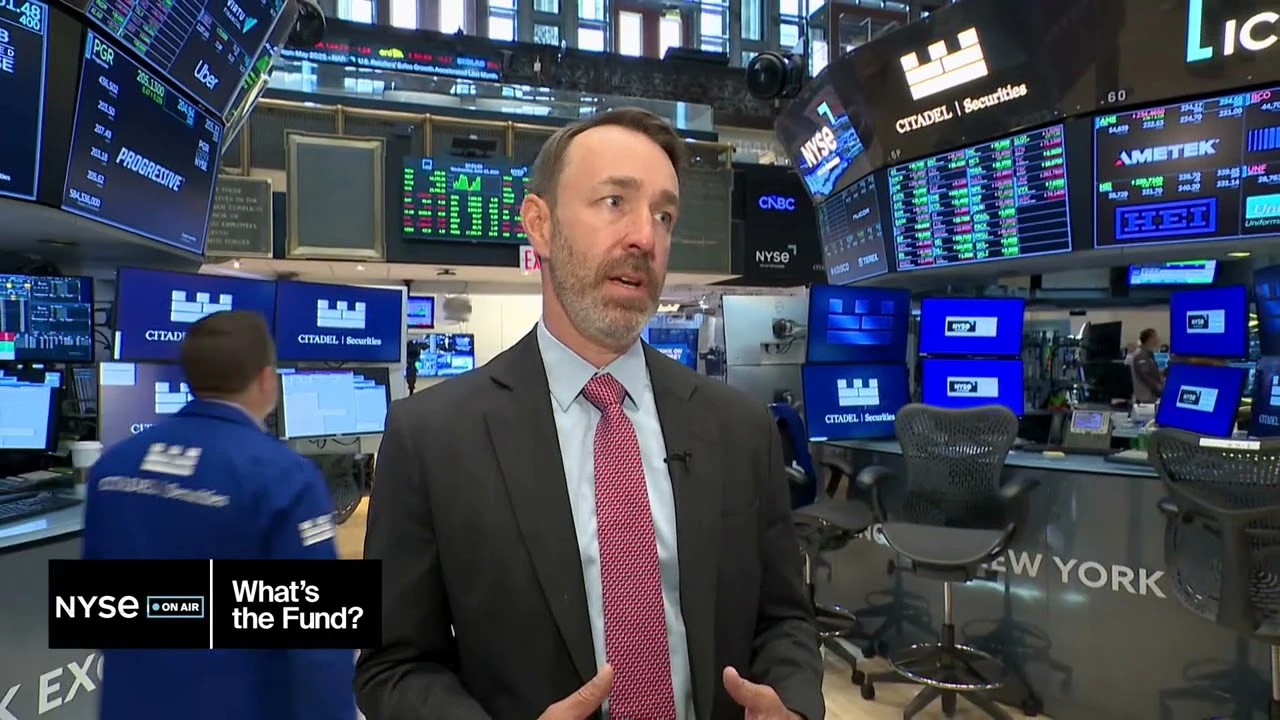
What's the Fund | Ocean Park Diversified Income ETF (DUKZ)
James St Aubin, Chief Investment Officer at Ocean Park Asset Management, discuss the DUKZ ETF, exposing investors to the whole spectrum of asset classes in the fixed income markets, through their rules-based process.

ETF Takeaway
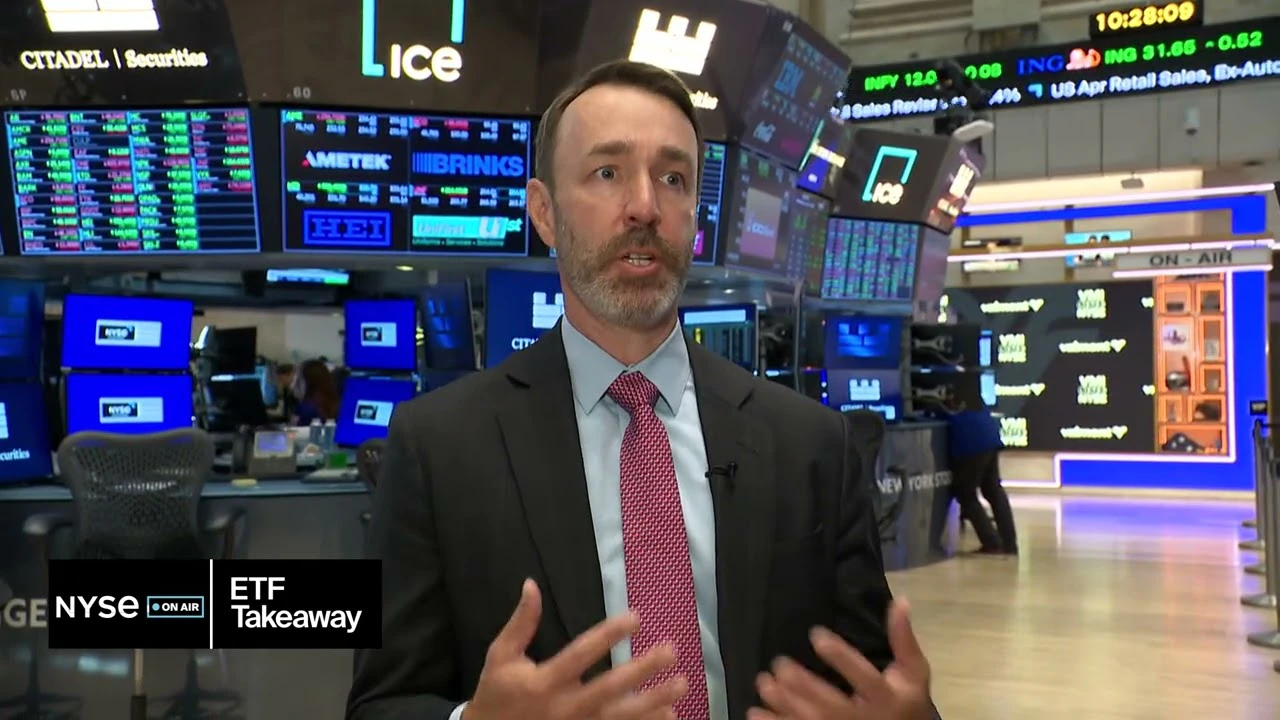
ETF Takeaway: Ocean Park Diversified Income ETF (DUKZ)
James St Aubin, Chief Investment Officer at Ocean Park Asset Management discusses the state of fixed income markets and how their DUKZ ETF, through their rules-based process, tactically allocates to 11 sectors of fixed income through underlying ETFs.
Browse all educational columns



Have you tried our ETF Compare tool?
Compare ETFs like a pro. Analyze fees, performance, exposure & holdings side-by-side.