Turn ETF ideas into real portfolios. Try the builder now →



Is Now the Time to Invest in Gold and Silver? Seasoned Investor Weighs In
Veteran money manager Bill Fleckenstein shares his take on gold, silver, market speculation, and why geopolitical tensions and the passive investing trend are reshaping investment strategies.

Keep up with what matters in ETFs
Get timely ETF insights, market trends, and top ideas straight to your inbox.
Your newsletter subscriptions with us are subject to ETF Central's Privacy Policy and Terms and Conditions.
Commodity Culture is a popular podcast and platform empowering commodity market investors. We host top experts to share their insights and outlook on all things commodities.
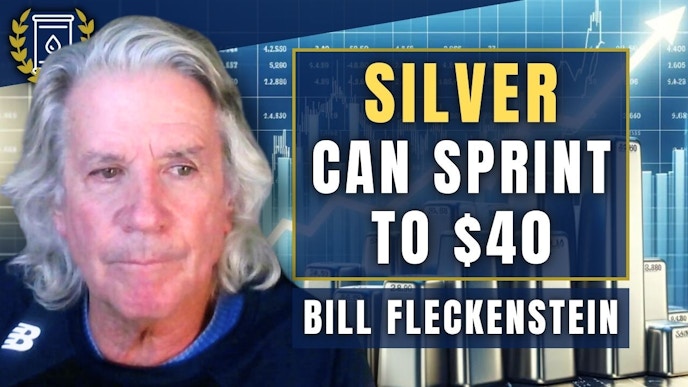
In this episode, Bill Fleckenstein, founder of Fleckenstein Capital, shares his insights on gold, silver, market speculation, and the impact of Fed policies. With over 30 years of investing experience, he offers a contrarian perspective on navigating today’s uncertain economic landscape.
Watch the full episode here: SILVER Could Sprint to $40 in 'Literally a Few Days': Bill Fleckenstein or continue to read a summary of the conversation.
Global ETF Survey 2026 is Live!
With 1,790 new products launched by July 2026, choosing is harder than ever. Our Global ETF Survey 2026, built on 620 professional investors and allocators, shows how active, fixed income, options-based and thematic ETFs are reshaping fund selection.
Understanding the Market Speculation Phenomenon
Bill Fleckenstein opened the discussion by emphasizing the excessive speculation prevalent in today’s markets. From leveraged ETFs to zero-day expiry options and cryptocurrency volatility, he likened the current environment to historical speculative bubbles. While these moments often last longer than anticipated, Fleckenstein stressed the importance of understanding the forces at play, particularly the "passive bid."
This trend, driven by automatic 401(k) contributions and index fund dominance from firms like Vanguard and BlackRock, distorts market pricing. He highlighted that passive investing now constitutes around 45% of market activity, contributing to inflated valuations for mega-cap stocks like Apple. Fleckenstein advised investors to remain cautious and recognize the fragile foundation supporting today’s market.
A Stagflationary Landscape
Fleckenstein described the U.S. economy as being in a period of stagflation, with economic growth and inflation rates moving in tandem. While the Federal Reserve's easing measures suggest no immediate recession, Fleckenstein expressed concerns about the massive budget deficit (around 6% of GDP) and rising interest payments on national debt. For now, he sees inflation remaining sticky, contributing to a precarious economic environment.
Gold and Silver: Safe Havens in Uncertain Times
As a staunch advocate for gold, Fleckenstein has held positions in the metal since the early 2000s. He views it as a hedge against inflation and the irresponsible monetary policies of the Federal Reserve. According to him, gold’s long-term appeal lies in the unsustainable national debt and the Fed’s inability to raise rates meaningfully without sparking economic turmoil.
On silver, Fleckenstein echoed the sentiment that it remains undervalued compared to gold. Silver, often seen as gold’s more volatile sibling, has industrial applications that bolster its demand. He noted that during previous bull markets, silver often outperformed gold in percentage terms, making it an exciting play for investors.
However, he cautioned against using historical highs like the Hunt Brothers’ $48-per-ounce squeeze as a benchmark. Instead, he believes silver’s personality as a thin and volatile market could lead to explosive moves in the right environment.
Gold Miners: Separating the Strong from the Weak
When discussing gold mining stocks, Fleckenstein emphasized the importance of jurisdiction, management quality, and ore grades. He praised companies like Agnico Eagle, which operates in stable regions like Canada and demonstrates strong operational efficiency.
Conversely, he critiqued giants like Barrick and Newmont for their exposure to geopolitically risky regions and challenges in achieving meaningful growth.
Fleckenstein pointed out that the market has rewarded well-run miners this year, while others have lagged. He anticipates a future rally that could lift even the less appealing miners, but he currently prioritizes quality over speculation.
The Yen: A Strategic Currency Play
Turning to currencies, Fleckenstein discussed his interest in the Japanese yen. With the Bank of Japan likely to raise rates as inflation percolates, the yen appears undervalued based on purchasing power parity. For gold holders, however, he argued that owning the yen might not be necessary, as gold already provides protection against a weakening dollar.
Free Speech and Geopolitics
Fleckenstein also touched on broader societal issues, particularly the erosion of free speech. He expressed concern about censorship during the COVID-19 pandemic and its implications for open discourse. He commended recent developments, such as Elon Musk’s acquisition of Twitter and increased public awareness of censorship, as steps in the right direction.
When it comes to geopolitics, Fleckenstein generally sees these events as noise for U.S. investors, though he acknowledged the potential for short-term market tremors. He highlighted the enduring appeal of the U.S. dollar despite global instability but suggested that alternative currencies like the yen or precious metals could serve as hedges in certain scenarios.
Looking Ahead: Opportunities and Risks
While Fleckenstein remains focused on gold and silver, he’s open to exploring energy markets or uranium if the setup becomes favorable. He also sees potential in Japan’s markets over the next five years but refrains from heavy involvement in emerging markets, preferring areas where he has expertise and confidence.
Final Thoughts
For investors navigating today’s speculative environment, Fleckenstein’s advice is clear: stay informed, hold some cash, and focus on assets that offer protection against inflation and economic uncertainty. Whether through gold, silver, or the right mining stocks, he believes a cautious and strategic approach can help weather potential market turbulence.
For more insights, visit FleckensteinCapital.com or follow Bill Fleckenstein on Twitter @FleckCap.
This article is for informational purposes only and does not in any way constitute investment advice. The author may express their own opinions, which may not represent the opinions of ETF Central or its affiliated partners. It is essential that you seek advice from a registered financial professional prior to making any investment decisions.
Topics
See all
Mentioned ETFs
No specific ETFs were tagged

Latest ETF News
See all ETF newsWhat To Watch This REIT Earnings Season - Q3 2026



Your ETF Is a Tool. Investors Will Decide How to Use It.


How Much ETF Infrastructure Do You Really Need?





 Advantages of ETFs over Mutual Funds1/6
Lower Costs
In this guide, we'll explore the advantages of ETFs over mutual funds, giving you valuable insights into why ETFs have gained significant popularity among investors like yourself.
Leveraged ETFs: Unlocking the Potential for Amplified Returns1/6
Understanding Leveraged ETFs
Explore leveraged ETFs: potential for amplified returns & risks. 5 ETFs to consider across equities, commodities & fixed income.
What is a Leveraged ETF?1/6
Introducing Leveraged and Inverse ETFs
In this guide, we'll dive into the world of leveraged ETFs, exploring their definition, mechanics, potential risks, and rewards.
Recent educational content
First Look ETF
First Look ETF: Income, International, and Cash Flow ETFs
In this season 6 episode of First Look ETF, Stephanie Stanton @etfguide examines the latest ETF marketplace trends with NYSE and guests.


ETF Trends
ETF Industry KPIs October 5, 2026
This week’s KPI data overview highlights key metrics and trends shaping the ETF landscape.

ETF Trends
ETF Industry KPIs September 28, 2026
This week’s KPI data overview highlights key metrics and trends shaping the ETF landscape.
ETF Trends
ETF Industry KPIs September 22, 2026
This week’s KPI data overview highlights key metrics and trends shaping the ETF landscape.