Explore professionally built ETF model portfolios. Discover now →



Natural Gas Prices Hit Multi-Year Low Amid Warm Winter and Supply Surplus
Natural gas prices have hit a multi-year low since September 2020.


Keep up with what matters in ETFs
Get timely ETF insights, market trends, and top ideas straight to your inbox.
Your newsletter subscriptions with us are subject to ETF Central's Privacy Policy and Terms and Conditions.
In a significant market movement, natural gas prices have plunged to their lowest since September 2020, reflecting the impact of weather patterns and production dynamics.
Get data on 14,000+ ETFs
Access Trackinsight's reliable and comprehensive data with 500M+ points on 14,000+ ETFs.
Natural Gas Dip Driven by Mild El Niño Weather Pattern
Natural gas, a critical resource for electricity generation and heating, has seen its price fall to $1.86/MMBtu, marking a 51% drop since its peak at the end of October 2023. This price movement stands out as a textbook example of weather's direct influence on financial markets. Despite a brief spell of cold in January, the winter season has largely been warmer than usual, with forecasts indicating the trend's persistence. The warmth can largely be attributed to the El Niño weather pattern, characterized by warmer Pacific Ocean waters affecting U.S. winds and thus, temperature.
Natural Gas Glut as Supply Outpaces Demand
Beyond weather, structural factors are also at play in the natural gas market. The U.S. has seen a steady increase in natural gas production, yet demand has not kept pace. Current storage levels are 5% above the norm for this period, exerting downward pressure on prices. This imbalance highlights a significant shift, as increasing supply meets plateauing, if not diminishing demand.
How to Gain Exposure to Natural Gas
For investors looking at the current low prices as an opportunity, several strategies exist. Direct investment in natural gas through futures contracts offers one avenue. Alternatively, investing in ETFs that track natural gas or in stocks of companies within the natural gas sector may present less direct exposure to price fluctuations. Regardless of the chosen method, a thorough understanding of the market's dynamics, including the impact of weather patterns and production trends, is essential for navigating investment in natural gas effectively.
Group Data
Index Data
Funds Specific Data
Please note this article is for information purposes only and does not in any way constitute investment advice. It is essential that you seek advice from a registered financial professional prior to making any investment decision.
Segments
See all
Mentioned ETFs

Latest ETF News
See all ETF newsMoneyShow Chart of the Day 9/4/26: Don't Just Watch Oil. Watch THESE.


Chart of the Day 8/14/26: The Great "Hot Money" Migration

MoneyShow Chart of the Day 7/29/26: Now, THAT's What I Call Market Rotation!

MoneyShow Chart of the Day 7/16/26: Good News/Bad News on Inflation (and the Fed)




 Advantages of ETFs over Mutual Funds1/6
Lower Costs
In this guide, we'll explore the advantages of ETFs over mutual funds, giving you valuable insights into why ETFs have gained significant popularity among investors like yourself.
Leveraged ETFs: Unlocking the Potential for Amplified Returns1/6
Understanding Leveraged ETFs
Explore leveraged ETFs: potential for amplified returns & risks. 5 ETFs to consider across equities, commodities & fixed income.
What is a Leveraged ETF?1/6
Introducing Leveraged and Inverse ETFs
In this guide, we'll dive into the world of leveraged ETFs, exploring their definition, mechanics, potential risks, and rewards.
Recent educational content

ETF Trends
ETF Industry KPIs September 8, 2026
This week’s KPI data overview highlights key metrics and trends shaping the ETF landscape.

ETF Trends
ETF Industry KPIs August 31, 2026
This week’s KPI data overview highlights key metrics and trends shaping the ETF landscape.
ETF Trends
ETF Industry KPIs August 24, 2026
This week’s KPI data overview highlights key metrics and trends shaping the ETF landscape.
What’sTheFund
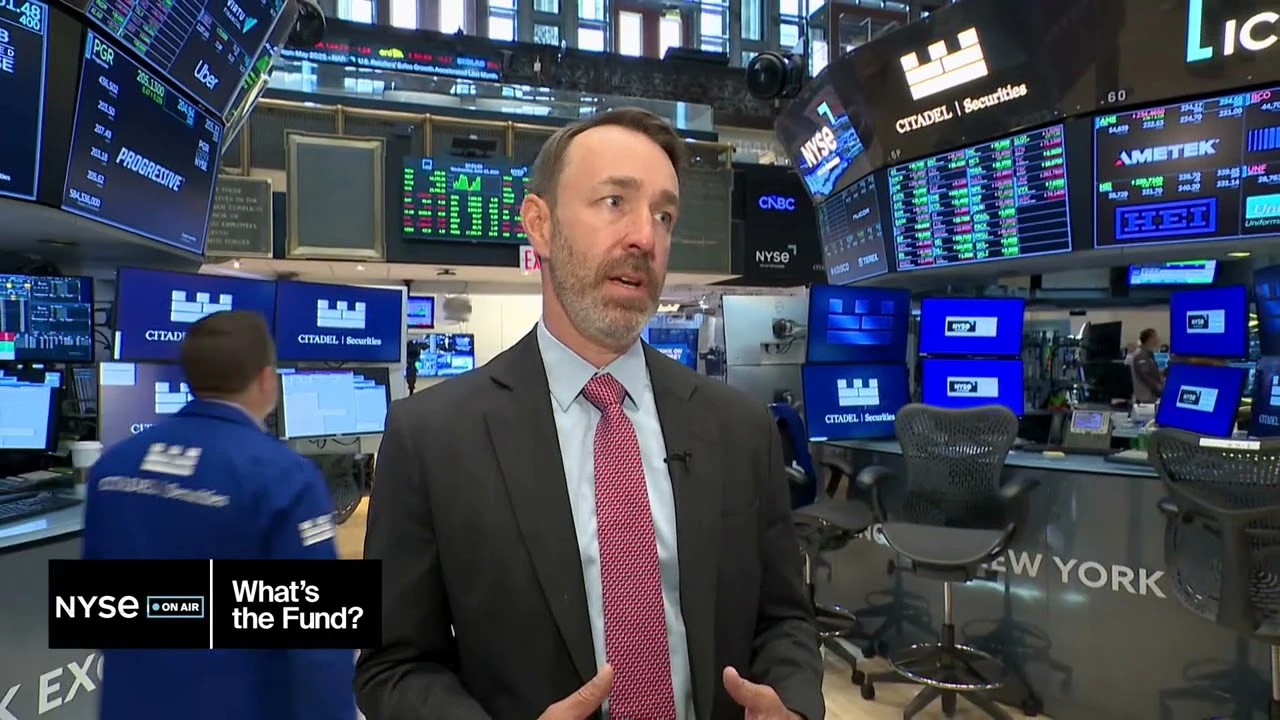
What's the Fund | Ocean Park Diversified Income ETF (DUKZ)
James St Aubin, Chief Investment Officer at Ocean Park Asset Management, discuss the DUKZ ETF, exposing investors to the whole spectrum of asset classes in the fixed income markets, through their rules-based process.

Browse all educational columns



Expert-Built ETF Portfolios, All in One Place
Don’t start from scratch. Discover ready-made ETF portfolios built by professionals to match different goals, timelines, and market views. Use them as inspiration or as a starting point for your own allocation.