ETF model portfolios designed for real investor needs. Discover →



MoneyShow Chart of the Day 7/23/2025: Watching Breadth, But Not Worrying (Yet)
Big Tech’s doing the heavy lifting, but the rest of the market isn’t dead weight.


Keep up with what matters in ETFs
Get timely ETF insights, market trends, and top ideas straight to your inbox.
Your newsletter subscriptions with us are subject to ETF Central's Privacy Policy and Terms and Conditions.
Market-watchers are whispering about market breadth again. So, what do I think? I’m watching it. But I’m not worrying too much (yet).
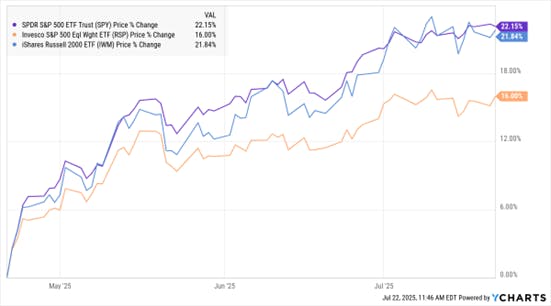
Take a look at the MoneyShow Chart of the Day here. It shows the three-month percentage change in the SPDR S&P 500 ETF Trust (SPY), the Invesco S&P 500 Equal Weight ETF (RSP), and the iShares Russell 2000 ETF (IWM).
Get data on 14,000+ ETFs
Access Trackinsight's reliable and comprehensive data with 500M+ points on 14,000+ ETFs.
Data by YCharts
As you can see, the performance gap between the SPY and the RSP has gradually widened out since mid-April. The former is beating the latter by about six percentage points.
That has been accompanied by warnings from the likes of Goldman Sachs, which recently said the averages were exhibiting “one of the narrowest readings of market breadth in recent decades.” Morningstar also noted that only 18% of the stocks in its US Large-Mid Index hit new 52-week highs in July, and that “Big Tech” was the primary driver of Q2 gains for US stocks.
But we’re still seeing healthy performance by smaller-cap stocks, as indicated by the IWM advance. Plus, I’m not seeing worrisome moves in the credit markets – or in other indicators I follow like the Citigroup Economic Surprise Index.
We have a lot of “big events” coming up. That includes Fed meetings and the Aug. 1 tariff deal deadline. So, I don’t want to just whistle past the graveyard. But so far, breadth looks like just another thing to watch…rather than worry too much about.
If you want to get more articles and chart analysis from MoneyShow, subscribe to our Top Pros’ Top Picks newsletter here
Please note: This is syndicated content and reflects the author’s personal views. It does not represent the opinions of this publication or its affiliates. The article is for informational purposes only and does not constitute investment advice. Always consult a registered financial professional before making any investment decisions.
Topics
See all
Mentioned ETFs

Latest ETF News
See all ETF newsMoneyShow Chart of the Day 9/4/26: Don't Just Watch Oil. Watch THESE.

Chart of the Day 8/14/26: The Great "Hot Money" Migration

MoneyShow Chart of the Day 7/29/26: Now, THAT's What I Call Market Rotation!

MoneyShow Chart of the Day 7/16/26: Good News/Bad News on Inflation (and the Fed)




 Advantages of ETFs over Mutual Funds1/6
Lower Costs
In this guide, we'll explore the advantages of ETFs over mutual funds, giving you valuable insights into why ETFs have gained significant popularity among investors like yourself.
Leveraged ETFs: Unlocking the Potential for Amplified Returns1/6
Understanding Leveraged ETFs
Explore leveraged ETFs: potential for amplified returns & risks. 5 ETFs to consider across equities, commodities & fixed income.
What is a Leveraged ETF?1/6
Introducing Leveraged and Inverse ETFs
In this guide, we'll dive into the world of leveraged ETFs, exploring their definition, mechanics, potential risks, and rewards.
Recent educational content

ETF Trends
ETF Industry KPIs September 8, 2026
This week’s KPI data overview highlights key metrics and trends shaping the ETF landscape.

ETF Trends
ETF Industry KPIs August 31, 2026
This week’s KPI data overview highlights key metrics and trends shaping the ETF landscape.
ETF Trends
ETF Industry KPIs August 24, 2026
This week’s KPI data overview highlights key metrics and trends shaping the ETF landscape.
What’sTheFund
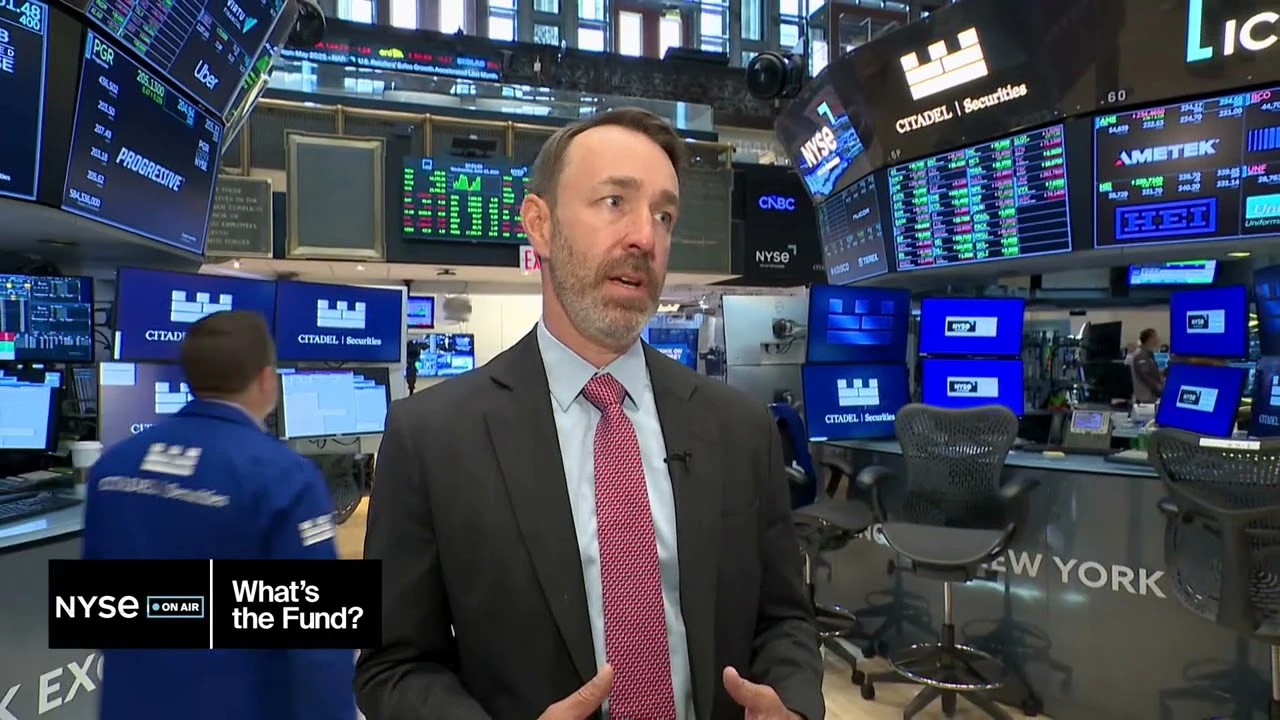
What's the Fund | Ocean Park Diversified Income ETF (DUKZ)
James St Aubin, Chief Investment Officer at Ocean Park Asset Management, discuss the DUKZ ETF, exposing investors to the whole spectrum of asset classes in the fixed income markets, through their rules-based process.

Browse all educational columns



Active Trader Report: Use of Leveraged & Inverse ETFs Way Up
Direxion partnered with Compound Insights and Vanda to explore what’s driving the evolution of active trading — and how active traders are using leveraged and inverse funds across equities, single stocks, commodities, and volatility.