NYSE CRTR Economy Event Watch the replay →



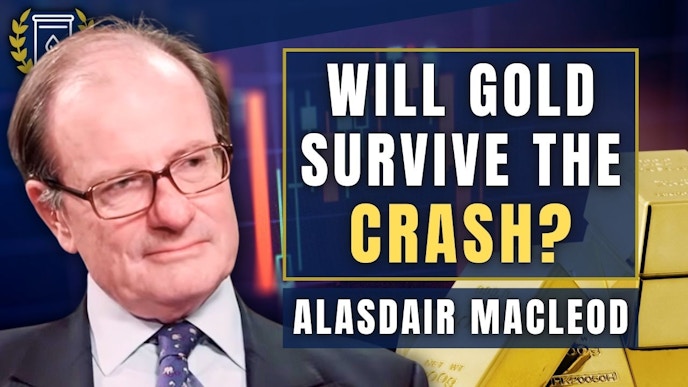
Gold, Tariffs & Credit Collapse: Alasdair Macleod’s Blunt Market Wake-Up Call
Alasdair Macleod sounds the alarm on a historic credit bubble, misguided tariffs, and why gold—not bonds—may be the last asset standing.

Keep up with what matters in ETFs
Get timely ETF insights, market trends, and top ideas straight to your inbox.
Your newsletter subscriptions with us are subject to ETF Central's Privacy Policy and Terms and Conditions.
Tariffs are back—and they’re not playing nice. On this episode of Commodity Culture, host Jesse Day welcomes Alasdair Macleod, a veteran of the finance world and precious metals specialist, to unpack a whirlwind of economic developments.
The catalyst? Trump’s so-called “Liberation Day,” a sudden return to protectionist tariffs that’s sparking global market chaos and—according to Macleod—risking a repeat (or worse) of the 1929 crash.
Back then, it was the Smoot-Hawley Tariff Act. Today, it's Trump’s version, but with much higher stakes: globalized supply chains, consumer import dependency, and a much larger, more fragile credit bubble.
Macleod bluntly warns:
“This is more serious… It's driving the global economy into recession, slump, depression—I don't know what we'll call it.”
Like what you're reading?
Stay in the loop — get the latest ETF insights: trends, analysis, and expert picks.
Credit Bubble: Meet the Pin
What’s the real threat? It's not just tariffs—it’s the fact that they’re popping the largest credit bubble in history. Macleod paints a grim picture of a vicious cycle: governments in debt traps, plummeting tax revenues, rising welfare costs, and foreign investors racing for the exits. “They’re not buying Treasuries,” he says. “They’re fleeing to cash in their own currencies.”
The dollar’s trade-weighted index is already slipping, and Macleod sees it dropping below 100 and racing to 90. If foreigners need higher interest rates to be lured back into U.S. assets, the Fed faces an impossible choice: raise rates and destroy government finances—or keep rates low and tank the dollar. Either way, he says, we’re spiraling “into the black hole of nothingness.”
Commodities Sell-Off: A Misguided Panic
Despite everything, Macleod believes the initial commodity sell-off is a classic case of baby-with-the-bathwater. With investors unwinding leveraged positions and swaps rushing to close out futures contracts, gold and silver got caught in the crossfire.
But he sees a divergence coming. Gold is holding relatively strong, backed by central bank buying and limited speculative froth. Silver, on the other hand, lacks a central bank backstop and has been more volatile, dropping nearly 7% in a day.
Still, Macleod is clear: this downturn is temporary. Once the dust settles, rational investors will rotate from crumbling tech stocks into hard assets. “It’s sell equities, buy bonds,” he says—but then adds with a smirk, “except don’t buy bonds.”
The Uninvestor’s Playbook
Macleod doesn’t mince words: “I’m not an investor—I’m a disinvestor.” His strategy? Get out of credit altogether. Own physical gold. Keep it outside the banking system. And silver? Potentially more volatile, but it might have its day if it's re-monetized.
This isn’t about maximizing returns. It’s about survival. “We’re moving from trying to accumulate wealth to trying to protect it,” Macleod warns. And in his view, gold is the only legal, enduring form of money left standing.
LBMA Outflows and the Derivatives Domino
What’s happening behind the scenes might be even more alarming. Major outflows from the LBMA (London Bullion Market Association) signal a serious liquidity squeeze. Macleod dismisses official claims that it’s just metal shifting location. Instead, he believes it's tied to arbitrage opportunities and rising futures premiums, which are sucking physical metal out of London, Switzerland—even Mumbai.
The kicker? Central banks may be rethinking their gold leasing programs, removing critical liquidity from the system. If the gold derivatives market starts to unwind, Macleod sees it threatening the broader derivatives universe. “We’re talking hundreds of trillions of dollars of credit,” he warns. “This could have very nasty knock-on effects.”
China, Japan, Korea: The Birth of a New Trade Bloc?
Geopolitics is also shifting fast. China has already retaliated with its own tariffs, and Macleod sees a major realignment underway. Japan and South Korea, historically U.S. allies, are now eyeing tighter trade cooperation with China and the BRICS nations.
“America’s basically shutting them out of its market,” Macleod explains. “Where else are they going to go?” The trio's geographic proximity, historical tensions notwithstanding, makes them natural trade partners. If the U.S. continues down the path of economic isolationism, Macleod predicts a tectonic shift in global trade—and the final nail in the coffin for dollar dominance.
Trump’s Chess Game—Or Checkmate?
Is this 4D chess or economic suicide? Macleod doesn’t hesitate: “Trump hasn’t a clue.” While some supporters argue the tariffs are a long-term strategic reset, Macleod sees only short-term pain and long-term destruction. With the U.S. trapped in a debt spiral, returning to a tariff-based revenue model is, in his words, “economically catastrophic.”
To make matters worse, Trump is publicly pressuring Jerome Powell to cut interest rates—something Macleod believes is being set up as a scapegoat strategy when things go south. “He’s going to blame Powell,” he predicts. “But none of them have any understanding of economics.”
Final Thoughts: When Preservation Trumps Profit
If there’s one takeaway from Macleod’s analysis, it’s that investors should abandon conventional thinking. The 60/40 portfolio is dead. Bonds aren’t safe. The focus should be on protecting capital, not growing it.
As he puts it, “Get out of credit. Hold real money. Preserve wealth.” Because when the largest credit bubble in history bursts, and the dollar loses its grip on global trade, the only asset that won’t default is one you can hold in your hand.
Watch the Full Conversation
This article is for informational purposes only and does not in any way constitute investment advice. The author may express their own opinions, which may not represent the opinions of ETF Central or its affiliated partners. It is essential that you seek advice from a registered financial professional prior to making any investment decisions.
Mentioned ETFs
No specific ETFs were tagged
Further reading
Latest ETF News
See all ETF news

Why ETF Spreads Often Mislead Investors








 Advantages of ETFs over Mutual Funds1/6
Lower Costs
In this guide, we'll explore the advantages of ETFs over mutual funds, giving you valuable insights into why ETFs have gained significant popularity among investors like yourself.
Leveraged ETFs: Unlocking the Potential for Amplified Returns1/6
Understanding Leveraged ETFs
Explore leveraged ETFs: potential for amplified returns & risks. 5 ETFs to consider across equities, commodities & fixed income.
What is a Leveraged ETF?1/6
Introducing Leveraged and Inverse ETFs
In this guide, we'll dive into the world of leveraged ETFs, exploring their definition, mechanics, potential risks, and rewards.
Recent educational content
Asset TV
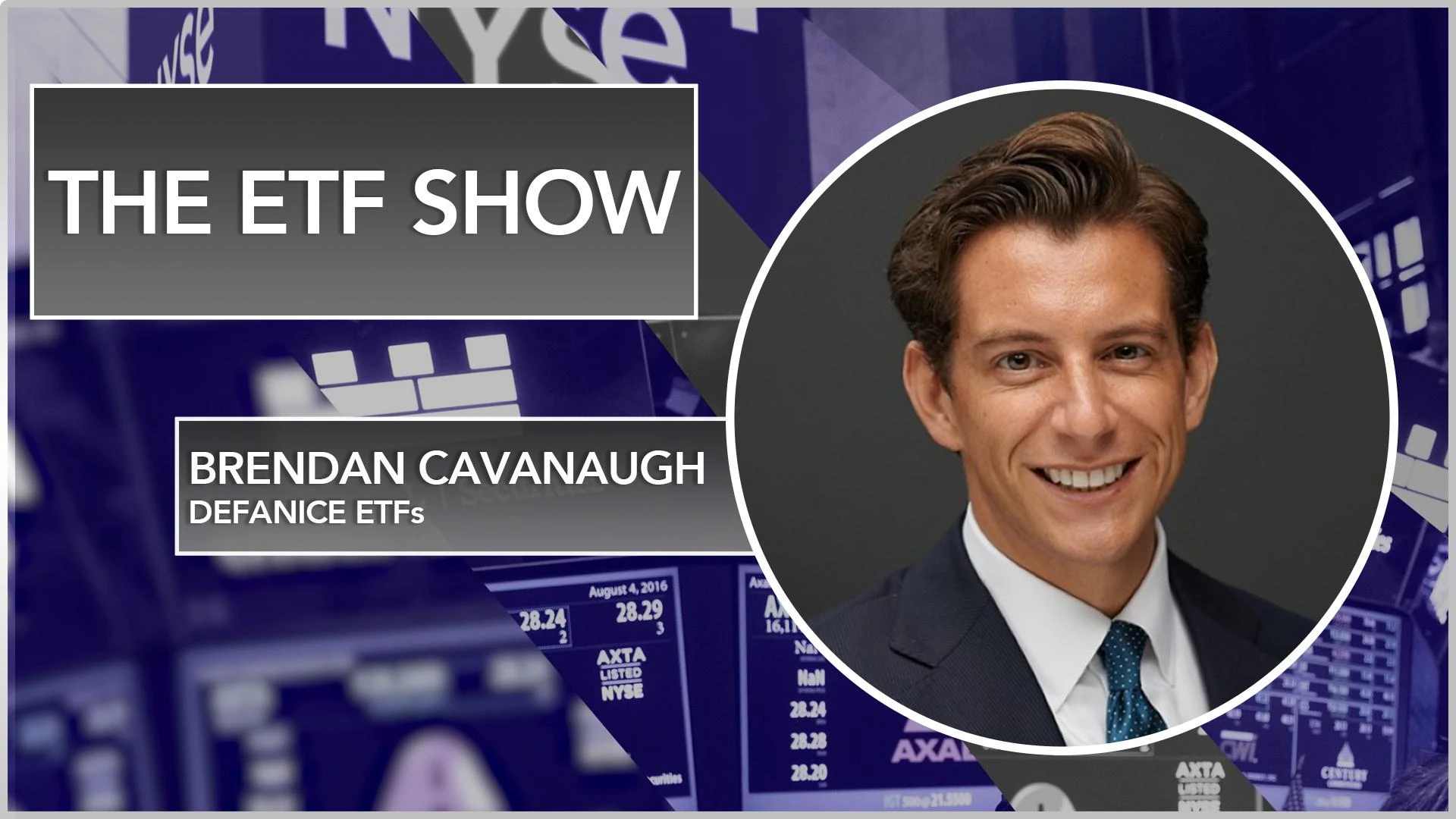
The ETF Show - New Autism-Impact ETF Launched
Defiance ETFs has launched the first ETF, $ASD, focused on the autism ecosystem, investing in companies that provide services, products, and research related to autism and neurodivergence.


ETF Trends
ETF Industry KPIs June 1, 2026
The ETF Industry saw 22 New Launches, 1 Ticker Change and 1 closure last week.

ETF Trends
ETF Industry KPIs May 20, 2026
The ETF Industry saw 44 New Launches, 3 Mutual Fund Conversions and 9 closures last week.
Asset TV
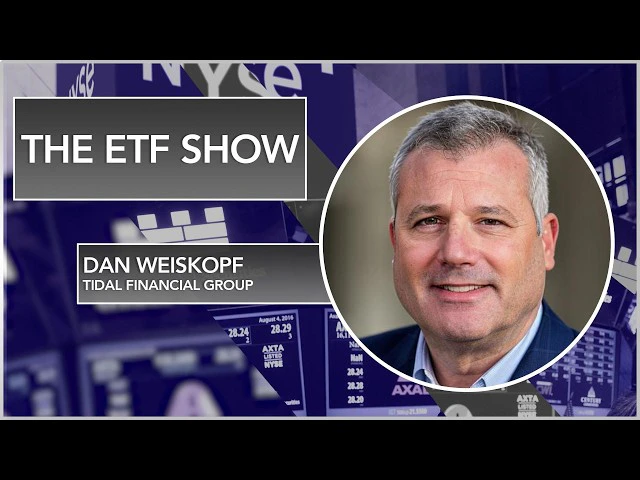
The ETF Show - Politics Becomes Investable Trade through ETFs
Dan Weiskopf, Senior Portfolio Manager at Tidal Financial Group spoke with the ETF Show about Subversive ETFs that help investors trade like politicians.
Browse all educational columns



Build and Analyze Your ETF Portfolio Like a Pro
Create your own ETF portfolio in minutes and instantly see allocations, exposures, performance, and risk. Visualize diversification across asset classes, regions, and sectors. Stress-test ideas, compare benchmarks, and refine your strategy with professional-grade analytics.