Open Now: The Global ETF Survey Take the Survey →



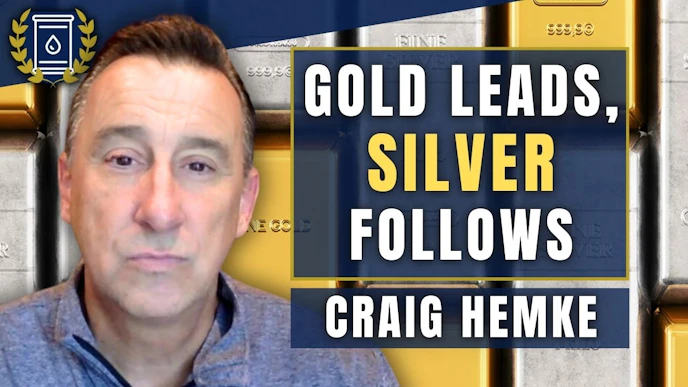
Gold and Silver in Tumultuous Times: Insights from Craig Hemke
Precious metals expert Craig Hemke joins the Commodity Culture podcast with host Jesse Day to discuss gold and silver's strong performance in 2024, the potential geopolitical impact on financial markets, and the future of cash and digital currencies.

Keep up with what matters in ETFs
Get timely ETF insights, market trends, and top ideas straight to your inbox.
Your newsletter subscriptions with us are subject to ETF Central's Privacy Policy and Terms and Conditions.
In this episode of Commodity Culture, host Jesse Day chats with precious metals expert Craig Hemke about the strong performance of gold and silver in 2024, the impact of global events on markets, and what the future holds for cash and digital currencies. Craig shares practical insights on navigating today’s unpredictable landscape and why patience is key when investing in commodities.
Get data on 14,000+ ETFs
Access Trackinsight's reliable and comprehensive data with 500M+ points on 14,000+ ETFs.
Gold: A Remarkable Year So Far
Craig Hemke highlights the strong performance of gold in 2024, with a 30% year-to-date increase. Despite the rise of the U.S. dollar and the changing expectations of interest rate cuts, gold has steadily pushed forward. Hemke believes that while banks have historically been able to manage gold’s price volatility, a continued rally of 30-50% in a single year could catch them off guard. The potential for further gains is dependent on increased institutional buying, as the speculative short positions have already been squeezed.
Hemke also notes the broader financial sector's minimal allocation to gold, with a significant portion of financial advisors having no exposure to the metal. As more institutions recognize gold's strength, this shift in demand could propel prices higher. However, Hemke remains cautious as we enter the unpredictable fourth quarter, underscoring the need for investors to consider gold as a safe haven in today’s uncertain geopolitical and financial landscape.
Silver: A Catch-Up Rally on the Horizon?
Silver, which recently broke the $30 barrier, is holding strong, but for many investors, its slow climb can be frustrating. Hemke expects silver to follow gold’s trajectory, noting that it often lags before experiencing a sharp rally to close the gap. For example, earlier this year, silver surged from $24 to $33 within six weeks, a pattern Hemke believes could repeat if gold continues to rise.
While silver is often seen more as a commodity than a monetary metal, Hemke highlights its potential to gain momentum if the dollar weakens and commodity prices rise across the board. He emphasizes that the silver market, like gold, could be driven by broader economic forces, particularly if the U.S. dollar dips below the critical 100 mark, signaling a bullish trend for commodities.
Gold Miners: Lagging Behind Gold’s Performance
Hemke expresses frustration with the gold mining stocks, which, despite gold’s rise, have not significantly outpaced the metal itself. Mining stocks are traditionally seen as leveraged plays on gold, but this year they have been relatively flat in comparison to gold’s 5% rise in September. Hemke attributes this to a lack of demand, with many financial advisors and investors remaining focused on growth stocks rather than miners.
However, he warns that when mining stocks move, they tend to surge quickly, as seen in January 2016, when the HUI index tripled in just eight months. This makes timing critical for investors looking to capitalize on the sector’s potential gains.
A Geopolitical Shift: The Role of Gold in a Changing Monetary System
The idea of a gold-backed BRICS currency has gained traction, with analysts like Simon Hunt predicting it could rival the U.S. dollar within two years. Hemke acknowledges that central banks, especially outside the G7, have been buying gold at record levels, signaling preparations for a potential shift in the global monetary system. He points out that the U.S. dollar’s dominance, which began in 1944, will not last forever, and the growing demand for alternatives could lead to a gradual devaluation of the dollar.
This decline in demand for U.S. dollars, coupled with an increasing supply, could further weaken the currency and boost gold’s value. Hemke suggests that a 40% gold-backed BRICS currency, as speculated, could play a key role in this shift, reintroducing gold as a vital component of the global monetary system.
Geopolitical Conflicts: A Catalyst for Safe Haven Assets?
The ongoing conflicts in the Middle East, particularly the Israel-Hamas war, could also have a significant impact on gold and silver. Hemke predicts that escalating tensions, such as a potential retaliatory strike on Iran by Israel, could drive up demand for safe-haven assets like gold. The unpredictability of these events makes it difficult to forecast market movements, but geopolitical risks are always a factor that can trigger a flight to safety in financial markets.
In addition to the immediate concerns of war, Hemke points out the broader issues, such as the U.S. longshoreman strikes and economic uncertainties, which could compound market instability. For investors, this means staying nimble and preparing for unexpected shifts in the global economy.
The War on Cash and the Push for Digital Currencies
Hemke also touches on the growing war on cash, with countries like Israel, Australia, and parts of Europe increasingly moving toward cashless transactions. He views this trend as an assault on individual financial sovereignty, where governments and banks aim to control all monetary transactions. Hemke warns that central bank digital currencies (CBDCs) could lead to even greater control over personal finances, allowing authorities to restrict access to funds based on social credit systems or political agendas.
For Hemke, the push toward digital currencies and the phasing out of cash is a concerning development, one that could be countered by holding physical gold and silver. Precious metals offer a tangible, decentralized form of wealth that cannot be easily manipulated or restricted by governments, making them a valuable asset in an increasingly controlled financial system.
Beyond Precious Metals: Opportunities in Uranium and Copper
While Hemke’s primary focus is on gold and silver, he also sees potential in other commodities like uranium and copper. Uranium, in particular, stands out due to its growing demand for both traditional power plants and smaller, modular reactors that can power emerging technologies like AI. However, the risk of nuclear incidents remains a concern, which could cause uranium investments to collapse overnight.
Copper, on the other hand, is expected to benefit from the electrification of industries and the global push toward renewable energy. The supply deficit in copper is significant, and Hemke believes the metal is poised for long-term growth as demand for its use in electric vehicles, infrastructure, and energy storage increases.
Conclusion: A Time for Caution and Opportunity
As we head into the final months of 2024, Hemke advises investors to remain cautious but optimistic about the opportunities in gold, silver, and other commodities. With geopolitical risks, monetary system shifts, and economic uncertainties all in play, holding tangible assets like precious metals could provide a safe harbor in these unpredictable times.
About the Host
Jesse Day is the host of the Commodity Culture Youtube show and podcast, where he engages in deep conversations with prominent investors, fund managers, analysts and mining company CEOs with the aim of making the audience better investors in the commodities sector. Topics covered include precious metals, oil and gas, uranium, agriculture, and much more. In addition to interviews, Jesse has produced some of the most viewed documentaries on commodities online, including his Platinum documentary, which has amassed more than 1.4 million views to date. Jesse also produces educational content on commodities for Sprott Asset Management, to promote their suite of ETF products.
Disclaimer
Please note this article is for information purposes only and does not in any way constitute investment advice. It is essential that you seek advice from a registered financial professional prior to making any investment decision.


Latest ETF News
See all ETF news








 Advantages of ETFs over Mutual Funds1/6
Lower Costs
In this guide, we'll explore the advantages of ETFs over mutual funds, giving you valuable insights into why ETFs have gained significant popularity among investors like yourself.
Leveraged ETFs: Unlocking the Potential for Amplified Returns1/6
Understanding Leveraged ETFs
Explore leveraged ETFs: potential for amplified returns & risks. 5 ETFs to consider across equities, commodities & fixed income.
What is a Leveraged ETF?1/6
Introducing Leveraged and Inverse ETFs
In this guide, we'll dive into the world of leveraged ETFs, exploring their definition, mechanics, potential risks, and rewards.
Recent educational content

ETF Trends
ETF Industry KPIs July 13, 2026
This week’s KPI data overview highlights key metrics and trends shaping the ETF landscape.

First Look ETF
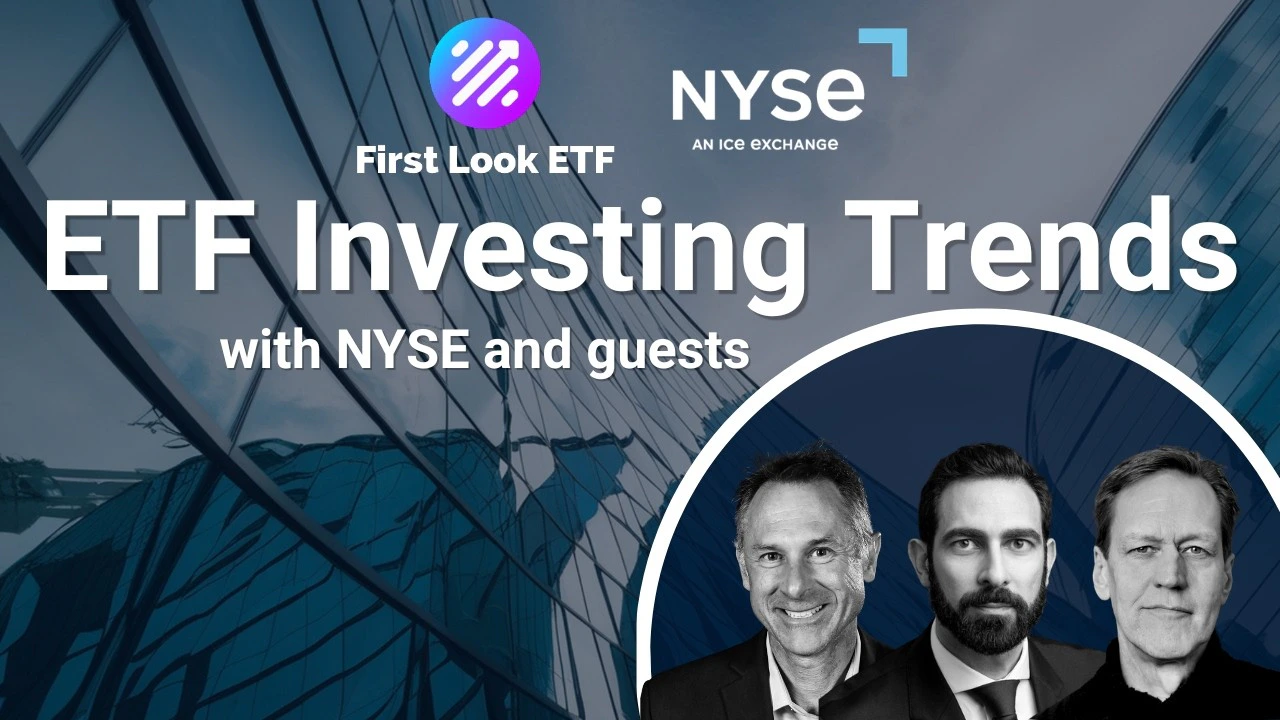
First Look ETF: Cash Deployment, Bond, and Hedged ETFs
In this season 6 episode of First Look ETF, Stephanie Stanton examines the latest ETF marketplace trends with NYSE and guests.

ETF Trends
ETF Industry KPIs July 6, 2026
This week’s KPI data overview highlights key metrics and trends shaping the ETF landscape.
Asset TV
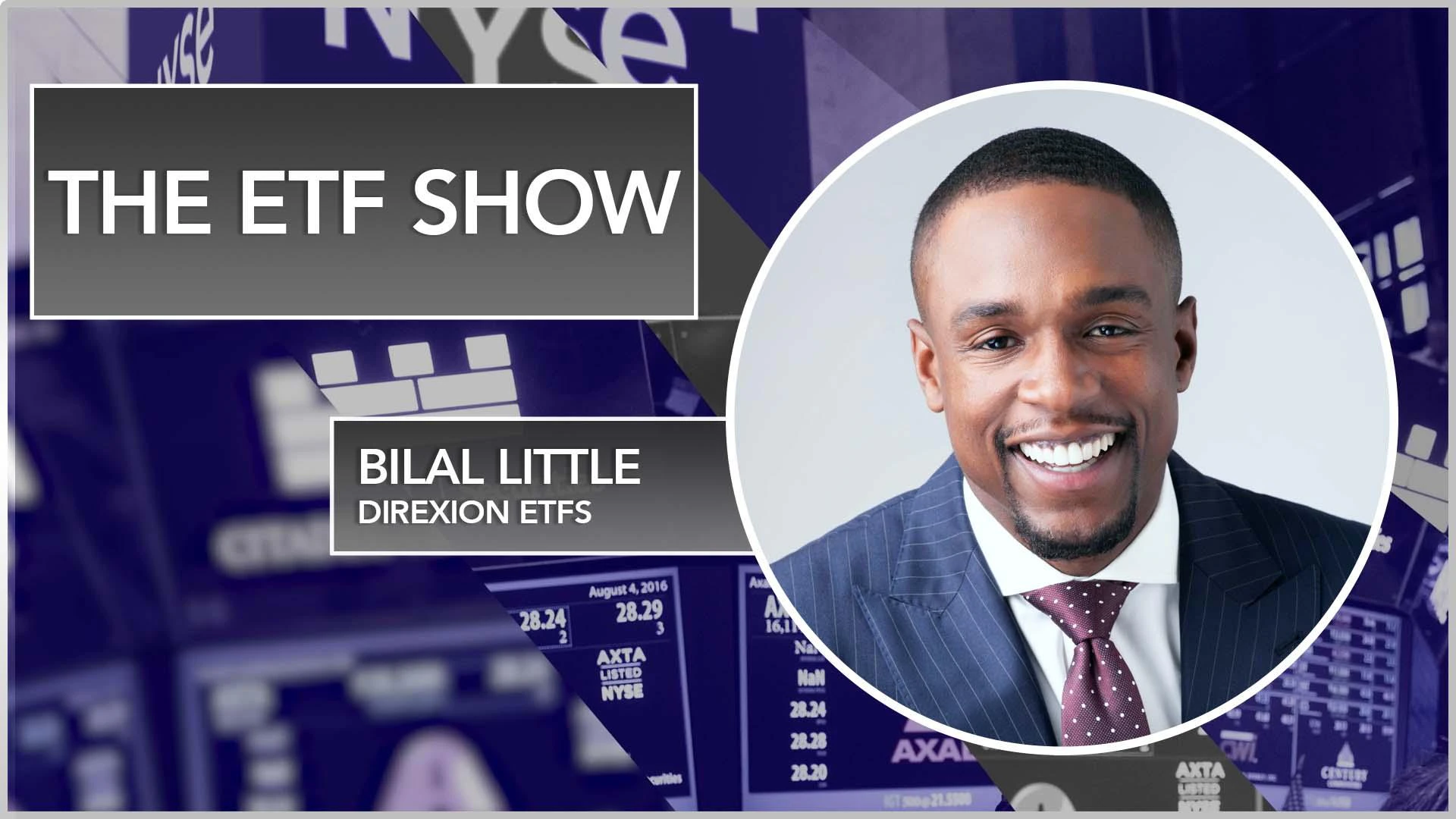
The ETF Show - The Evolution of Leveraged & Inverse ETFs
Leveraged and inverse ETFs have exploded in popularity over the past decade capturing more assets as retail traders seek to capture volatility.

Browse all educational columns



Expert-Built ETF Portfolios, All in One Place
Don’t start from scratch. Discover ready-made ETF portfolios built by professionals to match different goals, timelines, and market views. Use them as inspiration or as a starting point for your own allocation.