Explore professionally built ETF model portfolios. Discover now →



Global Wheat Markets on Edge as Ukraine-Russia Tensions Escalate Ahead of Black Sea Grain Deal Negotiations
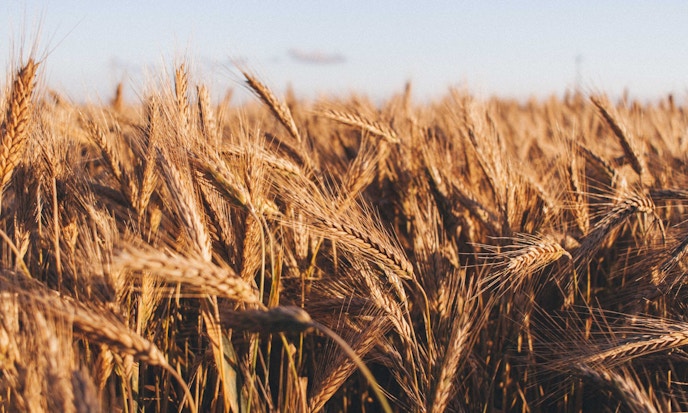
As tensions escalate between Ukraine and Russia, the future of the wheat market remains uncertain.

Keep up with what matters in ETFs
Get timely ETF insights, market trends, and top ideas straight to your inbox.
Your newsletter subscriptions with us are subject to ETF Central's Privacy Policy and Terms and Conditions.
The war in Ukraine has been an ongoing tragedy, with devastating consequences for the country and the world. Recently, there has been news that Russia is gearing up for an offensive, which military officials warn will arrive without warning. This new phase of the conflict is particularly worrying, given the tremendous toll that the war has already taken on the region.
The conflict in Ukraine has not only cost lives and resources, but it has also had significant economic impacts. The world economy has been disrupted, and the effects are still being felt in global commodity markets. The wheat market, in particular, has been roiled by the conflict. Prior to the war, Ukraine and Russia accounted for roughly 30% of global wheat exports, so the conflict has had a major impact on the global wheat trade.
Fortunately, a deal brokered by Turkey has helped to keep wheat flowing through the Black Sea. The deal includes security guarantees for commercial vessels and provides for Russian inspections to prevent military equipment from being shipped into Ukraine. While the situation is still concerning, it could have been much worse without the deal.
The Ukrainian farm economy has been hit hard by the conflict, with wheat exports down almost 30% from last year, and production down an estimated 36%. Meanwhile, Russian wheat exports are up 32% versus last year, and the country's wheat export program also depends on the ability to ship via the Black Sea.
However, Russia has expressed dissatisfaction with the deal. Many commercial traders and shippers remain hesitant to do business with Russian grain merchants, for fear of violating Western sanctions. This is despite the fact that food items are exempt from the sanctions. There is a worry that Western companies could inadvertently violate sanctions by conducting business with Russian companies partly owned by oligarchs on the US sanctions list.
Like what you're reading?
Stay in the loop — get the latest ETF insights: trends, analysis, and expert picks.
Times Up
The Black Sea grain deal is up for renewal in mid-March, and negotiations are expected to start in the coming week. There are concerns that Russia may use the opportunity to try to negotiate for a reduction in sanctions. The talks are coming at a time when tensions between Ukraine and Russia are escalating, as Russia launches missile attacks and presses forward with a new offensive.
All of this has had a significant impact on wheat futures in Chicago, which are trading near their highest level in more than two months. There are concerns that the ongoing conflict could continue to intensify, posing a threat to Ukraine's winter wheat crop, which is entering a critical growth phase. If the Black Sea grain deal is not renewed, wheat prices may move even higher due to supply disruptions.
Bottom Line
The war in Ukraine has had far-reaching consequences, including disrupting the world economy and impacting global commodity markets. The Black Sea grain deal has been crucial in keeping wheat exports flowing, but it is up for renewal soon, and negotiations may be difficult. As tensions escalate between Ukraine and Russia, the future of the wheat market remains uncertain.
ETFs to Trade


Latest ETF News
See all ETF newsWhich Fixed-Income ETFs Benefit from Rising Interest Rates?


MoneyShow Chart of the Day 9/4/26: Don't Just Watch Oil. Watch THESE.


Chart of the Day 8/14/26: The Great "Hot Money" Migration
MoneyShow Chart of the Day 7/29/26: Now, THAT's What I Call Market Rotation!




 Advantages of ETFs over Mutual Funds1/6
Lower Costs
In this guide, we'll explore the advantages of ETFs over mutual funds, giving you valuable insights into why ETFs have gained significant popularity among investors like yourself.
Leveraged ETFs: Unlocking the Potential for Amplified Returns1/6
Understanding Leveraged ETFs
Explore leveraged ETFs: potential for amplified returns & risks. 5 ETFs to consider across equities, commodities & fixed income.
What is a Leveraged ETF?1/6
Introducing Leveraged and Inverse ETFs
In this guide, we'll dive into the world of leveraged ETFs, exploring their definition, mechanics, potential risks, and rewards.
Recent educational content

ETF Trends
ETF Industry KPIs September 14, 2026
This week’s KPI data overview highlights key metrics and trends shaping the ETF landscape.

ETF Trends
ETF Industry KPIs September 8, 2026
This week’s KPI data overview highlights key metrics and trends shaping the ETF landscape.
ETF Trends
ETF Industry KPIs August 31, 2026
This week’s KPI data overview highlights key metrics and trends shaping the ETF landscape.
ETF Trends
ETF Industry KPIs August 24, 2026
This week’s KPI data overview highlights key metrics and trends shaping the ETF landscape.
Browse all educational columns



Expert-Built ETF Portfolios, All in One Place
Don’t start from scratch. Discover ready-made ETF portfolios built by professionals to match different goals, timelines, and market views. Use them as inspiration or as a starting point for your own allocation.