Open Now: The Global ETF Survey Take the Survey →



The Foundations of ETF Liquidity Part II: The Mechanics of ETF Design and Market Dynamics
ETF success starts with mastering liquidity and design fundamentals for market efficiency.


Keep up with what matters in ETFs
Get timely ETF insights, market trends, and top ideas straight to your inbox.
Your newsletter subscriptions with us are subject to ETF Central's Privacy Policy and Terms and Conditions.
I’m Nicholas Phillips, President of ETF Capital Markets Advisors LLC, with over 25 years of expertise in ETF trading and capital markets. As a contributor to ETF Central, my goal is to provide actionable insights that help investors and issuers navigate the ever-changing ETF landscape.
Last week, I launched a new series on ETF liquidity, uncovering critical aspects of its role in ETF design and trading. This week, I’ll delve further into the strategic foundations of ETF liquidity and how it drives market success.
Missed the first part? Catch up here: The Foundations of ETF Liquidity Part I: From Concept to Creation.
So, creating a successful ETF involves more than identifying a compelling theme—it requires meticulous attention to the structural details that shape its liquidity, trading efficiency, and market dynamics. After deciding on the type of product, issuers must address the "nuts and bolts" of ETF design, from the basket composition to creation unit size, and how these decisions influence the roles of Authorized Participants (APs) and market makers.
The ETF Industry Is Evolving Fast
From AI infrastructure to active strategies, the ETF landscape is shifting. Share your perspective in the 7th Annual Global ETF Survey and get exclusive early access to the final report.
Building the Basket: Components and Complexity
Basket Composition and Structure
Equity ETFs:
- Some ETFs hold just 20 stocks, offering concentrated exposure, while others track indices with 2,000+ constituents, balancing broad diversification with trading complexity.
- Thematic ETFs often carry concentrated risks due to reliance on fewer stocks.
Fixed Income ETFs:
- Baskets can range from a few high-yield corporate bonds to thousands of Treasuries or investment-grade bonds.
- Illiquid bonds can introduce challenges for market makers and APs, especially in secondary market trading.
Specialized Products:
- Commodities, derivatives, and leveraged products require bespoke baskets that align with unique exposures and market dynamics.
Ticket Charges and Their Role in ETF Composition
Ticket Charges in ETF Design
Ticket charges—fixed transaction fees incurred during trading—are a key consideration during the ETF design process. They directly affect the overall cost structure of the fund, making it essential to balance diversification with efficiency:
Larger Baskets:
- Pros: Offer greater diversification, reducing concentration risk.
- Cons: Require more trades to manage, increasing the cumulative ticket charges. For example, an ETF with 2,000 components incurs significantly higher operational costs than one with 200.
Smaller Baskets:
- Pros: Reduce ticket charges, helping to keep costs lower.
- Cons: May result in concentrated risks, especially in thematic or niche ETFs with fewer holdings.
Costs Versus Efficiency
While ticket charges don’t deter market participants such as APs or market makers from engaging, they do add a layer of cost that affects overall fund efficiency. For instance, higher ticket charges in larger baskets might:
- Widen operational costs for APs when facilitating creation/redemption activities.
- Be reflected in investor costs, potentially affecting spreads or tracking error.
Strategic Considerations for Issuers
ETF issuers must factor ticket charges into the fund's design, balancing these costs with the benefits of diversification and market appeal:
- Optimal Basket Size: Aligning the number of components with the fund's strategy and expected trading activity.
- Investor Impact: Ensuring the fund remains cost-efficient without sacrificing liquidity or diversification.
Example: A broad-market equity ETF might limit its basket to a subset of highly liquid securities, reducing ticket charges while maintaining representative exposure.
The Role of ETF Capital Markets Experts
ETF capital markets experts play a pivotal role in guiding issuers through these complex decisions. Their value stems from both their professional expertise and their industry relationships:
Leveraging Experience:
- Many capital markets experts have backgrounds as traders, giving them unique insight into how APs, market makers, and portfolio managers approach ETF design.
- They understand the operational and trading pain points, helping issuers anticipate challenges and design products that align with market realities.
Building Strong Relationships:
Capital markets experts maintain relationships with key stakeholders, including APs, market makers, and portfolio managers.
These connections allow them to gather real-world feedback on:
- What works well in ETF design.
- What causes friction or incurs unnecessary costs.
Reducing Market Friction:
By mediating between issuers and market participants, capital markets experts can preemptively address issues that might result in inefficiencies, wide spreads, or seeding difficulties.
Practical Guidance:
Whether advising on creation unit size, basket composition, or the use of Cash In Lieu (CIL), these experts ensure that every aspect of ETF design is aligned with trading and liquidity needs.
Creation Unit Size and Its Implications
Creation unit size—whether 10,000 shares or 50,000—affects how market makers and APs interact with the ETF:
Smaller Creation Units:
- Allow more flexibility but may limit scalability in larger trades.
- Better suited for niche or low-liquidity products.
Larger Creation Units:
- Improve efficiency for high-volume ETFs but could discourage smaller APs or market makers due to capital intensity.
Example: A high-yield bond ETF with a smaller creation unit size may encourage more frequent creations/redeems, enhancing liquidity.
Cash In Lieu (CIL) and Its Role
What Is CIL?
Cash In Lieu refers to a process where cash, instead of securities, is sent to the portfolio manager to acquire specific underlying assets. This method is often employed for ETFs with components that are:
- Hard to trade or access (e.g., certain emerging markets).
- Subject to unique settlement issues, local market regulations, or currency complexities.
Benefits of CIL:
- Reduces friction during the creation/redemption process for APs by simplifying settlement.
- Enables portfolio managers to acquire assets in a more controlled manner, especially in less liquid or hard-to-access markets.
Challenges:
- Requires active management by the portfolio manager to ensure timely acquisition of securities.
- Higher operational demands can result in increased costs, which may indirectly affect spreads or investor returns.
Impact on Market Makers and APs:
- APs must consider the costs and risks associated with CIL when participating in ETF creations/redemptions.
- Market makers rely on clear guidance and coordination with the portfolio manager to maintain efficient secondary market liquidity.
Seeding the ETF: Challenges and Considerations
Seeding Dynamics
- The seeding process often determines how smoothly an ETF transitions to live trading.
- In products with complex or illiquid baskets, seed capital requirements can be significant, impacting both costs and initial pricing efficiency.
Market Maker and AP Collaboration
- Close coordination between issuers, APs, and market makers ensures proper inventory and hedge availability.
- Early-stage seeding strategies directly affect secondary market liquidity and spreads.
Final Words
ETF success is built on the foundation of its design. Decisions around basket composition, ticket charges, creation unit size, and the use of Cash In Lieu directly shape the liquidity and efficiency of the product. Leveraging ETF capital markets experts allows issuers to make informed decisions, drawing on expertise and industry relationships to align product design with market needs. This collaborative approach ensures ETFs are not only innovative but also practical, scalable, and aligned with the realities of trading.
About the Author
Nicholas Phillips | President of ETF Capital Markets Advisors LLC
With over 25 years of experience in ETF market making and capital markets, Nicholas Phillips is recognized as a subject matter expert in the ETF industry. He started his career spending the first ten years as a lead market maker for SIG and Goldman Sachs. At the helm of MCAP LLC's ETF Desk, Nicholas built and scaled the division, enhancing its operations through innovative pricing and risk models, and robust relationships with market makers and issuers. His tenure at Van Eck Associates as Director of ETF Capital Markets further solidified his expertise, managing critical facets of operations and deepening connections within the trading community. Beyond market making, Nicholas is an avid content creator, sharing insights that demystify complex market dynamics. He is keen on exploring board member roles that benefit from his extensive background and forward-thinking approach to ETF strategies. His dual US/Ireland citizenship complements his global perspective, enriching his professional endeavors in diverse markets.
Disclaimer
Please note this article is for information purposes only and does not in any way constitute investment advice. It is essential that you seek advice from a registered financial professional prior to making any investment decision.


Latest ETF News
See all ETF news








 Advantages of ETFs over Mutual Funds1/6
Lower Costs
In this guide, we'll explore the advantages of ETFs over mutual funds, giving you valuable insights into why ETFs have gained significant popularity among investors like yourself.
Leveraged ETFs: Unlocking the Potential for Amplified Returns1/6
Understanding Leveraged ETFs
Explore leveraged ETFs: potential for amplified returns & risks. 5 ETFs to consider across equities, commodities & fixed income.
What is a Leveraged ETF?1/6
Introducing Leveraged and Inverse ETFs
In this guide, we'll dive into the world of leveraged ETFs, exploring their definition, mechanics, potential risks, and rewards.
Recent educational content

ETF Trends
ETF Industry KPIs July 13, 2026
This week’s KPI data overview highlights key metrics and trends shaping the ETF landscape.

First Look ETF
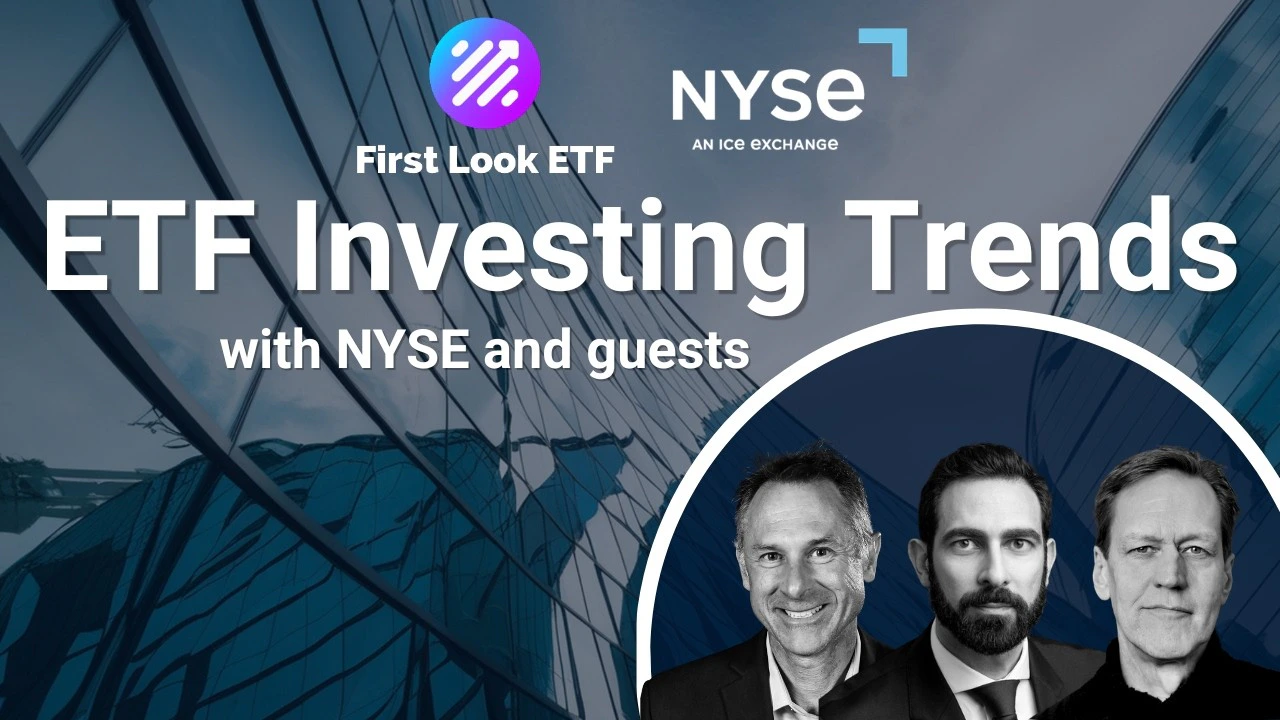
First Look ETF: Cash Deployment, Bond, and Hedged ETFs
In this season 6 episode of First Look ETF, Stephanie Stanton examines the latest ETF marketplace trends with NYSE and guests.

ETF Trends
ETF Industry KPIs July 6, 2026
This week’s KPI data overview highlights key metrics and trends shaping the ETF landscape.
Asset TV
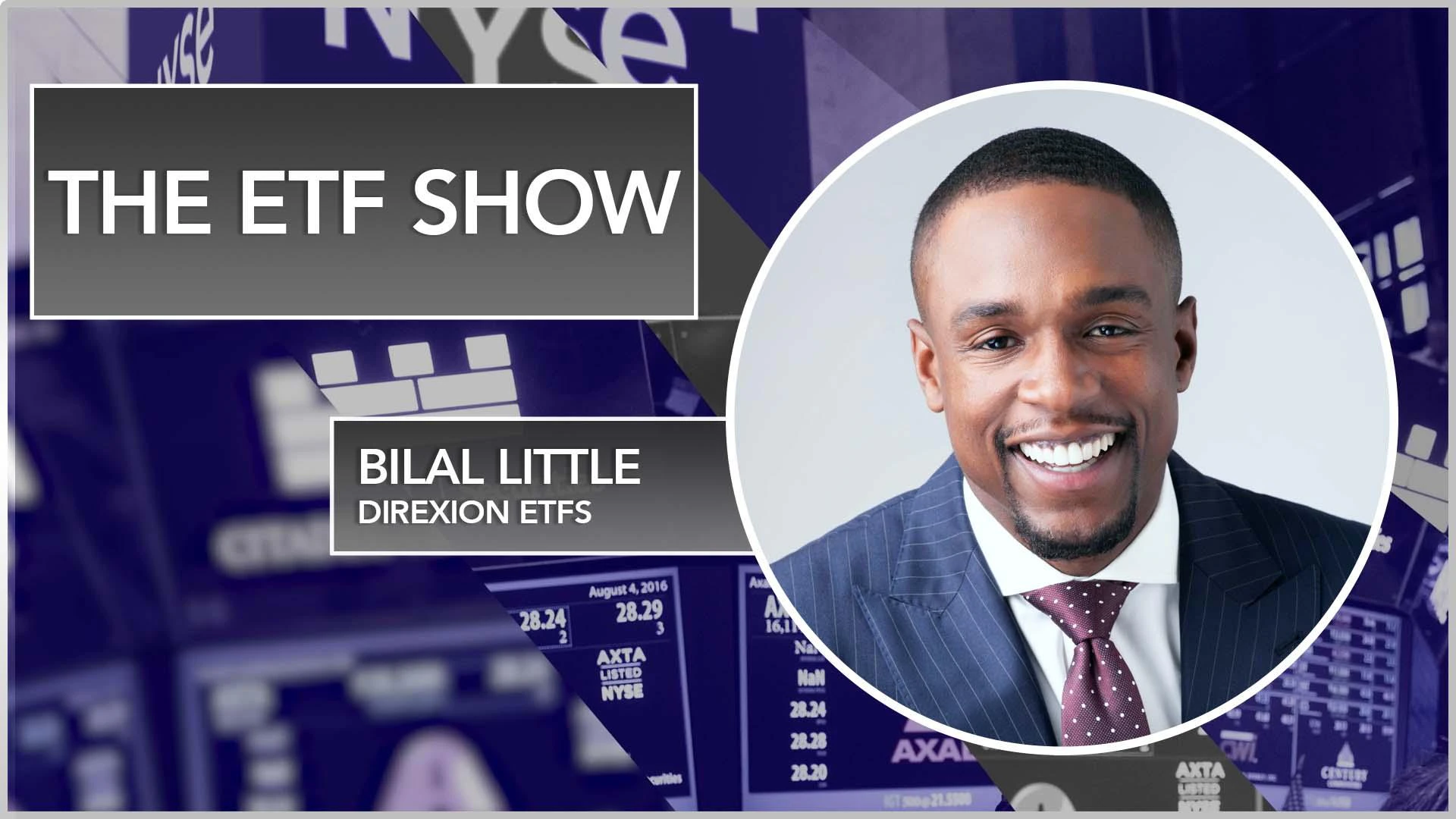
The ETF Show - The Evolution of Leveraged & Inverse ETFs
Leveraged and inverse ETFs have exploded in popularity over the past decade capturing more assets as retail traders seek to capture volatility.

Browse all educational columns



Build and Analyze Your ETF Portfolio Like a Pro
Create your own ETF portfolio in minutes and instantly see allocations, exposures, performance, and risk. Visualize diversification across asset classes, regions, and sectors. Stress-test ideas, compare benchmarks, and refine your strategy with professional-grade analytics.