Keep tabs on your favorite ETFs with a personalized weekly tracker. Create a Watchlist now →



ETF News You Missed This Week - August 24 - 28, 2026
Recapping the ETF action from week 35 of 2026.


Keep up with what matters in ETFs
Get timely ETF insights, market trends, and top ideas straight to your inbox.
Your newsletter subscriptions with us are subject to ETF Central's Privacy Policy and Terms and Conditions.
The 35th week of 2026 delivered a packed slate of ETF developments, from high-profile launches to an active pipeline of new filings.
Like what you're reading?
Stay in the loop — get the latest ETF insights: trends, analysis, and expert picks.
ETF Launches
Options and Buffer Strategies Target More Controlled Equity Exposure
Kensington Asset Management has launched the Premium Opportunities ETF (KPO), an actively managed strategy combining synthetic S&P 500 and Nasdaq-100 exposure with Treasury collateral and systematic options. Monthly out-of-the-money calls seek upside participation and premium income, while quarterly put spreads aim to provide protection during significant market declines.
First Trust has launched the FT Vest U.S. Equity Quarterly 15 Buffer ETF (SQBA), which seeks to match SPY’s price return up to a 2.61% cap before fees while buffering the first 15% of losses during its initial Aug. 24-Nov. 20, 2026 outcome period.
VanEck has launched the VanEck U.S. Equity Buffer ETF – July (JULV), an actively managed defined-outcome ETF using FLEX Options. For the outcome period ending June 30, 2027, JULV targets a 20% downside buffer and an 11.00% upside cap before fees.
Harbor Expands AlphaEdge Across Mid and Small Caps
Harbor Capital has launched six actively managed AlphaEdge ETFs spanning core, growth and value styles. The mid-cap lineup includes the Harbor AlphaEdge Mid Cap Core ETF (AEMC), Harbor AlphaEdge Mid Cap Growth ETF (AEMG) and Harbor AlphaEdge Mid Cap Value ETF (AEMV), while the small-cap range includes the Harbor AlphaEdge Small Cap Core ETF (AESB), Harbor AlphaEdge Small Cap Growth ETF (AESG) and Harbor AlphaEdge Small Cap Value ETF (AESL). The strategies use quantitative models assessing factors including capital deployment, momentum, quality, risk and valuation.
Optimal Tax Debuts Quantitative Multi-Cap ETF
Optimal Tax Asset Management has launched the Optimal Tax Managed Equity ETF (OTAX), an actively managed fund screening roughly 1,500 U.S. companies. More than half of assets are expected in a large-cap core sleeve, complemented by mid-cap momentum and small-cap value-and-quality allocations.
Defiance and EMXETF Expand the AI Theme
Defiance has launched the Defiance Memory & Photonics ETF (PRAM), tracking 20 global companies involved in technologies used to store, retrieve and move data for AI workloads. Constituents include Micron, SK Hynix, Marvell, SanDisk and Lumentum.
Defiance has also launched the Defiance AI Capacitors Leaders ETF (CAPA) on Cboe, targeting manufacturers of multilayer ceramic capacitors and other passive components used in AI servers and data centers. Key constituents include TDK, Samsung Electro-Mechanics, Murata, Kyocera and Yageo.
EMXETF has launched the China AI Tigers LLM ETF (TGRZ) on Nasdaq, providing exposure to companies participating in China’s large language model and generative AI industry, including an ecosystem that has produced developers such as DeepSeek, Moonshot AI and Z.ai.
YieldMax has launched an actively managed ETF targeting memory semiconductors and data storage while using options to seek current income. The supplied material did not include the fund’s name or ticker. Its sample portfolio includes Roundhill Memory ETF, Micron and SK hynix.
Hotchkis & Wiley Adds an ETF Share Class
Hotchkis & Wiley has launched the Hotchkis & Wiley Global Value Fund (HWGV) as an ETF share class of its existing Global Value Fund. The actively managed strategy generally owns 40-80 undervalued U.S. and international companies while retaining the same portfolio and investment team as the mutual fund.
GraniteShares Enters the Box Spread Market
GraniteShares has launched the GraniteShares Short Term Box ETF (LBOX), an actively managed cash-management strategy using offsetting options positions with an average effective maturity of about three months. Its 0.1349% net expense ratio after a fee waiver through 2027 is, according to GraniteShares, the lowest among U.S.-listed box spread ETFs.
SpaceX Exposure Broadens Across Income and Leveraged Products
First Trust has launched the FT Vest SPCX & Target Income ETF (XVSP), seeking current income and secondary capital appreciation through SpaceX common stock, options and synthetic exposure. At least 80% of assets will normally be allocated to SpaceX exposure and investments designed to generate income.
Leverage Shares by Themes has launched the Leverage Shares 1X Short SPCX Daily ETF (DSPC) on Cboe, seeking -100% of SPCX’s daily performance before fees and expenses. The ETF carries a 0.99% expense ratio and resets its inverse exposure daily.
BMO and REX Shares have launched the MicroSectors 3× Long MANGOS+ ex Private Companies ETNs (MNGU), providing 3x leveraged daily exposure to the NYSE MaNGoS+ Index. The supplied material lists Palantir, Microsoft, Nvidia, Meta, TSMC, Alphabet, AMD, Broadcom, Micron and SpaceX as current constituents, creating a discrepancy with the product’s “ex Private Companies” name because SpaceX remains privately held.
Northern Trust Extends Defined-Maturity Income Ladders
Northern Trust Asset Management has launched four inflation-linked ETFs: the Northern Trust 2031 Inflation-Linked Distributing Ladder ETF (TIPE), Northern Trust 2036 Inflation-Linked Distributing Ladder ETF (TIPF), Northern Trust 2046 Inflation-Linked Distributing Ladder ETF (TIPG) and Northern Trust 2056 Inflation-Linked Distributing Ladder ETF (TIPH). Each holds a staggered TIPS portfolio designed to provide inflation-protected monthly income and annual principal distributions.
Northern Trust has also launched four municipal counterparts: the Northern Trust 2031 Tax-Exempt Distributing Ladder ETF (MUNJ), Northern Trust 2036 Tax-Exempt Distributing Ladder ETF (MUNF), Northern Trust 2046 Tax-Exempt Distributing Ladder ETF (MUNG) and Northern Trust 2056 Tax-Exempt Distributing Ladder ETF (MUNH). The funds invest in high-quality municipal bonds and seek tax-exempt monthly income alongside annual principal distributions.
Crypto Launches Span Spot Zcash and Hedged Bitcoin
Grayscale has launched what it describes as the world’s first exchange-traded product offering spot exposure to Zcash (ZEC), with trading beginning on NYSE Arca. The supplied material did not include the product’s full name or ticker.
Hedgeye Asset Management has launched the Hedgeye Hedged Bitcoin ETF (HBIT), an actively managed fund investing primarily through spot Bitcoin ETPs while using put and call options guided by Hedgeye’s Risk Range Signals to manage downside risk.
Beacon Packages Alternatives Into a Tactical Fund-of-Funds
Beacon Capital Management has launched the Beacon Tactical Alternatives Risk ETF (BTA), an actively managed fund-of-funds spanning currencies, commodities, precious metals, futures, digital assets and carbon credits, with potential REIT exposure. The strategy uses risk-parity weighting and trend signals that can shift weakening allocations into short-duration fixed-income ETFs.
ETF Filings
REX Brings a 50% Covered-Call Formula to Four Equity Themes
REX has filed for four actively managed ETFs combining equity exposure with covered calls targeting roughly 50% of each portfolio. The REX 100 Growth & Income ETF would hold about 100 of the largest U.S.-listed stocks, while the REX Crypto Growth & Income ETF would target 25 crypto and digital-payments companies. The REX AI Growth & Income ETF would invest across AI leaders and enablers, and the REX FANG & Innovation Growth & Income ETF would target 15 technology stocks. Each strategy generally expects to overwrite about 12.5% of its portfolio weekly across staggered expirations, seeking premium income while leaving roughly half of its equity exposure uncapped.
Sterling Capital Files AI, International and BDC Strategies
Sterling Capital has filed for the Sterling Capital AI Leaders ETF, which would invest at least 80% of assets in companies benefiting from AI development, deployment or adoption. Guardian Capital plans to use an AI-powered research agent incorporating machine learning, deep learning and large language models, while portfolio managers retain final investment authority.
Sterling Capital has also proposed the Sterling Capital Macro-Led International Equity ETF, a contrarian, value-oriented global strategy focused primarily on developed markets outside North America, and the Sterling Capital Hedged BDC Income ETF, which would invest mainly in publicly traded business development companies while using covered calls, protective puts and put spreads to manage income and downside risk.
Risk-Managed and Market-Neutral Strategies Expand
New Lantern has filed for the New Lantern Risk Managed Equity ETF (NLRM), targeting roughly half of U.S. large-cap equity market returns over time with lower volatility. The strategy would combine broad equity exposure with staggered collars, using puts for downside protection and calls to help finance the hedge.
Toews has filed for the Toews Agility Shares Gold ETF (GLDH), combining exposure to gold futures, gold index futures and Gold ETPs with tactical hedging. The fund could substantially reduce net gold exposure when its strategy turns defensive.
Manifold has filed for the Manifold Equity Market Neutral ETF (MMN), a machine learning-driven strategy expected to hold 75-150 long and 75-150 short positions while targeting zero market beta. Gross long and short exposure could reach roughly 150% each.
Twin Oak has proposed the Twin Oak Short Horizon Absolute Return ETF, which would use defined-risk options to seek capital appreciation with low price volatility. Calls, puts and bullish and bearish debit spreads would be used without naked options or leverage.
Madison and Sapient Target Active Stock Selection
Madison has filed for the Madison Mid Cap ETF, an actively managed portfolio expected to hold 25-40 midsize companies selected for business quality, management and valuation. The fund would invest at least 80% of assets in mid-cap companies and could allocate up to 25% to foreign securities.
Sapient Capital has filed for the Sapient Core Opportunities ETF, a global equity strategy targeting companies combining contrarian valuations with long-term compounder characteristics. The process would blend structural themes including AI, technology, policy and geopolitics with quantitative screening and bottom-up fundamental research.
Twin Oak has also filed for the Twin Oak Active Opportunities ETF, a flexible multi-asset strategy that could shift between equities and fixed income as opportunities change, including potentially allocating entirely to one asset class.
Options Income Filings Span Fund-of-Funds, Tech and Dividends
Kurv has filed for the Kurv Option Income ETF, an actively managed fund-of-funds expected to invest primarily in Kurv’s own options-based ETFs. Underlying strategies can span individual equities, thematic portfolios, metals and fixed income while employing calls, spreads, collars, protective puts and synthetic exposure.
Quantify Funds has filed for the IncomeQ Nasdaq-100 Premium Income ETF (IQQI) and IncomeQ Semiconductor Premium Income ETF (ISEM). Both would combine long equity exposure with short-dated options designed to generate weekly income, with written puts permitted up to 100% of net assets on an aggregate notional basis.
Capital Wealth Planning has filed for the CWP Premium Growth ETF (CWPG) and CWP Premium Dividend ETF (CWPD). CWPG would invest primarily in growth-oriented ETFs and maintain at least 25% semiconductor exposure, while CWPD would focus on dividend-paying U.S. large- and mega-cap index ETFs. Both could tactically write covered calls.
Direxion Proposes Laddered Nasdaq-100 Autocallable ETFs
Direxion has filed for three ETFs using portfolios of up to 52 synthetic Nasdaq-100 autocallable notes. Two would target high monthly income, while the third would seek long-term capital growth by reinvesting strategy income. Each strategy would add a new three-year autocallable position weekly and primarily obtain exposure through total return swaps backed by Treasury collateral. Individual fund names and tickers were not supplied.
Performance Trust Files Municipal Bond ETF
PT Asset Management has filed for the Performance Trust Municipal Bond ETF, an actively managed strategy investing at least 80% of assets in investment-grade municipal securities. Up to 20% could be allocated to high-yield munis and taxable securities, with the portfolio generally targeting effective maturities of five to 22 years and duration of four to 11 years.
Putnam Mortgage Fund Sets 2027 ETF Conversion
Franklin Templeton plans to convert the Putnam Mortgage Securities Fund into a newly created ETF through a merger expected in the first quarter of 2027. The ETF will retain the fund’s investment objective, portfolio management team and substantially similar strategies, with the transaction expected to qualify as a tax-free reorganization. Shareholder approval is not required.
LeagueShares Plans 64 NHL Performance ETFs
LeagueShares has filed for 32 actively managed ETFs tied to the on-ice performance of individual NHL teams, including the Anaheim Ducks ETF (QUAK), Boston Bruins ETF (BRNZ), Toronto Maple Leafs ETF (TML), New York Rangers ETF (RGRS) and Edmonton Oilers ETF (OILZ). The funds would use derivatives tied to CME FutureSports Performance Indexes, which score teams using statistics including goals, shots, saves, hits and takeaways.
LeagueShares has separately filed for 32 leveraged ETFs offering up to approximately 2x daily exposure to individual NHL team performance through the same index framework. Exposure would reset daily and could remain below 200% when liquidity or position limits constrain the portfolios. Individual fund names and tickers for the leveraged lineup were not supplied.
Single-Stock Leverage Filings Target Intuit and Private-Market Names
GraniteShares has filed for the GraniteShares 2x Long Intuit Daily ETF and GraniteShares 2x Short Intuit Daily ETF, which would seek 200% and -200%, respectively, of Intuit’s daily percentage return before fees and expenses.
Leverage Shares has filed for six proposed ETFs offering leveraged long and short daily exposure to Waymo and Perplexity. Each company would have strategies targeting 2x long, 2x short and 1x short daily returns, although individual ETF names and tickers were not supplied.
Leverage Shares has also filed for two actively managed ETFs seeking 200% of the daily performance of Lyntris and Bending Spoons. The proposed funds would use swaps, options and direct shares, with leverage reset each trading day.
Other Updates
Tema Rebrands AI Infrastructure ETF as PSOX
Tema has renamed the Tema Power Semiconductor ETF (SIC) as the Tema MLCC & PowerSemi ETF (PSOX), reflecting its focus on multi-layer ceramic capacitors and power semiconductors. Both components play power-management roles in AI infrastructure, with MLCCs regulating and stabilizing power and power semiconductors controlling and converting electricity.
Grayscale and iShares Adjust Income Policies
Grayscale is changing the investment objectives of its Bitcoin Covered Call ETF and Ethereum Covered Call ETF to emphasize “high income” rather than “current income.” The Bitcoin fund will retain its secondary objective of participating in Bitcoin returns through options on Bitcoin ETPs, while the Ethereum strategy will continue seeking exposure to Ether-linked ETP returns.
BlackRock is changing the iShares Global Government Bond USD Hedged Active ETF (GGOV) from annual to quarterly dividends beginning in September 2026. The first quarterly declaration is expected around Sept. 30, with payment around Oct. 6, while realized securities gains will generally continue to be distributed annually.
21shares Moves U.S. Crypto Lineup to FTSE Russell Benchmarks
21shares is moving seven U.S. crypto ETFs to FTSE Russell digital-asset benchmarks effective Aug. 27: ARKB for Bitcoin, TETH for Ethereum, TSOL for Solana, TOXR for XRP, TSUI for Sui, TDOG for Dogecoin and TDOT for Polkadot. The Hyperliquid ETF (THYP) already uses a FTSE index. The changes affect benchmarks only, with fees, custodians, legal structures, asset exposure and listings unchanged.
Texas Precious Metals Expands Storage Infrastructure for YSAU and YSAG
Texas Precious Metals’ New York facility has been approved as a CME-registered depository for gold, silver, platinum and palladium eligible for delivery against COMEX and NYMEX contracts. The facility will also serve as one of two storage locations for the Y’all Street Gold ETF (YSAU) and Y’all Street Silver ETF (YSAG), which hold their precious metals exclusively in the U.S.
Victory Capital Strikes $7 Billion First Eagle Deal
Victory Capital has agreed to acquire First Eagle Investments in a roughly $7 billion transaction that would create an asset manager with approximately $571 billion in client assets. First Eagle, which manages about $222 billion, will retain its brand, investment autonomy and processes, while its $41 billion CLO and alternative-credit platform will become Victory Capital’s alternatives platform. The transaction is targeted to close by the end of the first quarter of 2027.
Please note this article is for information purposes only and does not in any way constitute investment advice. It is essential that you seek advice from a registered financial professional prior to making any investment decision.
Segments
See all
No specific market segments were tagged
Mentioned ETFs
No specific ETFs were tagged
Further reading
Latest ETF News
See all ETF newsThe Weekly ETF Market Monitor (August 17-21, 2026)
ETF News You Missed This Week - August 17 - 21, 2026

The Weekly ETF Market Monitor (August 10-14, 2026)
ETF News You Missed This Week - August 10 - 14, 2026

ETF News You Missed This Week - August 3 - 7, 2026


 Advantages of ETFs over Mutual Funds1/6
Lower Costs
In this guide, we'll explore the advantages of ETFs over mutual funds, giving you valuable insights into why ETFs have gained significant popularity among investors like yourself.
Leveraged ETFs: Unlocking the Potential for Amplified Returns1/6
Understanding Leveraged ETFs
Explore leveraged ETFs: potential for amplified returns & risks. 5 ETFs to consider across equities, commodities & fixed income.
What is a Leveraged ETF?1/6
Introducing Leveraged and Inverse ETFs
In this guide, we'll dive into the world of leveraged ETFs, exploring their definition, mechanics, potential risks, and rewards.
Recent educational content

ETF Trends
ETF Industry KPIs August 24, 2026
This week’s KPI data overview highlights key metrics and trends shaping the ETF landscape.

What’sTheFund
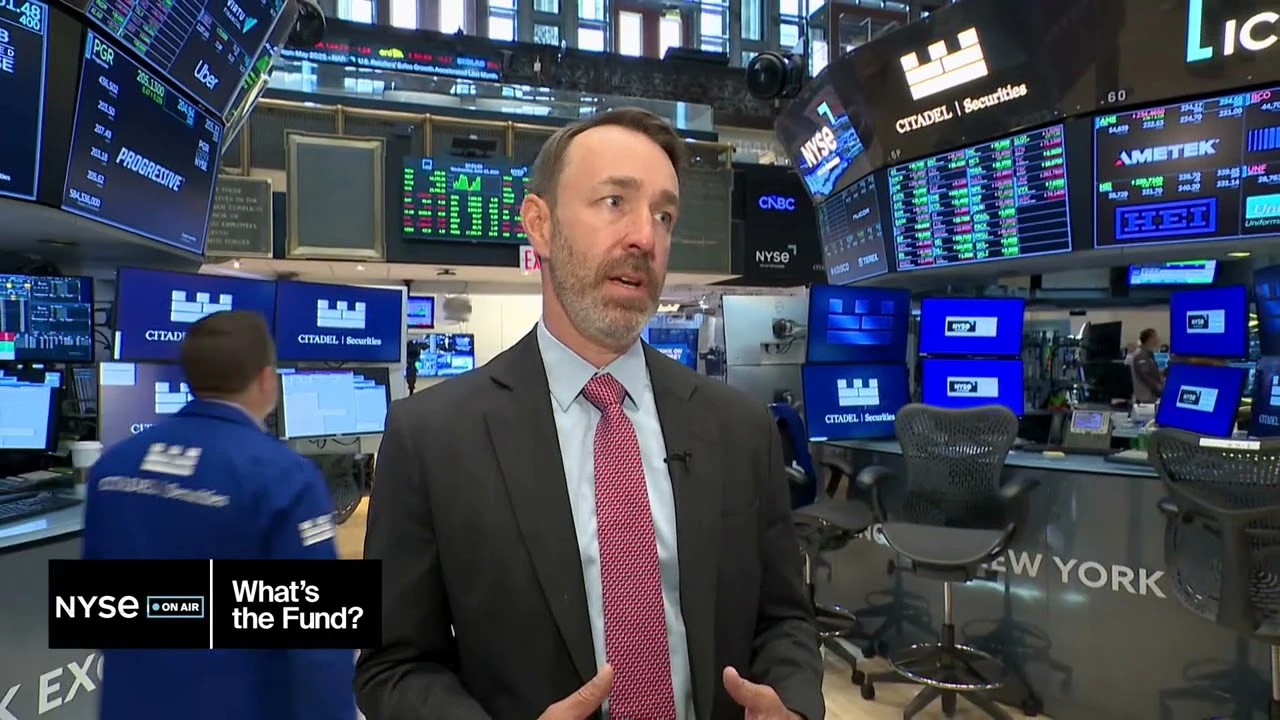
What's the Fund | Ocean Park Diversified Income ETF (DUKZ)
James St Aubin, Chief Investment Officer at Ocean Park Asset Management, discuss the DUKZ ETF, exposing investors to the whole spectrum of asset classes in the fixed income markets, through their rules-based process.

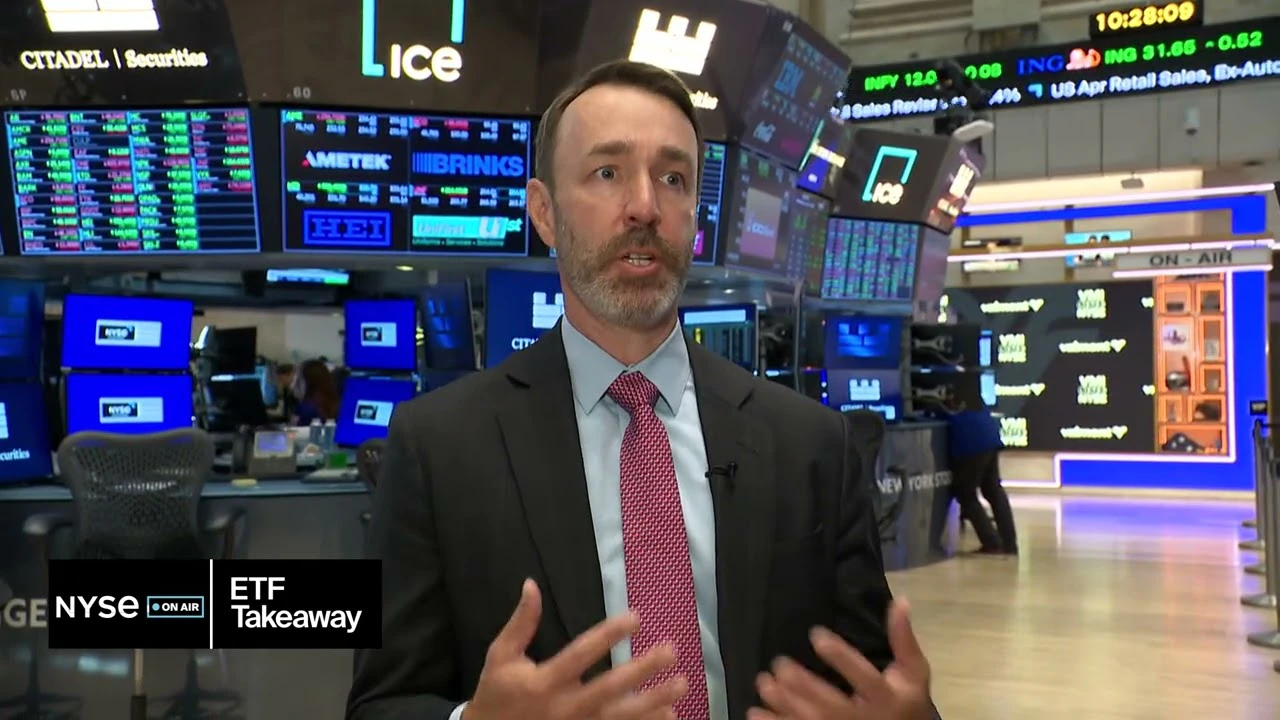
ETF Takeaway
ETF Takeaway: Ocean Park Diversified Income ETF (DUKZ)
James St Aubin, Chief Investment Officer at Ocean Park Asset Management discusses the state of fixed income markets and how their DUKZ ETF, through their rules-based process, tactically allocates to 11 sectors of fixed income through underlying ETFs.
ETF Trends
ETF Industry KPIs August 17, 2026
This week’s KPI data overview highlights key metrics and trends shaping the ETF landscape:
Browse all educational columns



Have you tried our ETF Compare tool?
Compare ETFs like a pro. Analyze fees, performance, exposure & holdings side-by-side.