Open Now: The Global ETF Survey Take the Survey →



ETF Market Making: Time to Address the Elephant in the Room
Navigating rising costs and liquidity challenges, the ETF market-making ecosystem must innovate to sustain its pivotal role in a rapidly evolving industry.


Keep up with what matters in ETFs
Get timely ETF insights, market trends, and top ideas straight to your inbox.
Your newsletter subscriptions with us are subject to ETF Central's Privacy Policy and Terms and Conditions.
As we kick off a new year, it's the perfect time to reflect on the evolution of the ETF landscape. The U.S. now boasts nearly 4,000 ETFs, a testament to the remarkable growth and innovation of the industry. Yet, as we celebrate these milestones, we must confront the elephant in the room: the challenges facing the ETF market-making ecosystem in a high-interest-rate environment.
With capital costs rising and remaining elevated, the ETF industry must grapple with the reality that the cost of providing liquidity has increased. Market makers, the backbone of ETF liquidity, now face more significant capital usage and risk management hurdles than ever before.
Get data on 14,000+ ETFs
Access Trackinsight's reliable and comprehensive data with 500M+ points on 14,000+ ETFs.
The Role of Market Makers in ETF Success
Market makers play a critical role in the ETF ecosystem by providing continuous two-sided quotes and facilitating smooth trading. Their work ensures that ETFs remain liquid, spreads stay tight, and investors can buy and sell shares with minimal friction.
Historically, many ETFs have benefited from robust market-making support without issuers needing to pay directly for these services. However, as the number of products continues to grow—many of which are niche or thinly traded—the incentives for market makers to support every new ETF have diminished.
In this context, it’s time to reconsider how we compensate market makers, particularly for newly launched ETFs or those from smaller issuers that lack significant assets under management (AUM) or institutional rebalance flow to offer in return.
Higher Rates and Higher Costs: A New Reality
The cost of capital has increased dramatically over the past few years. This change impacts not only investors and issuers but also the market-making community. With higher rates, market makers face greater costs to hold inventory, hedge positions, and manage risk.
For issuers, particularly those launching new ETFs with no track record or AUM, this creates a problem. Without a clear path to profitability for market makers, these products are at risk of wider spreads and less efficient trading.
Market Maker Compensation Already Exists—It’s Just Not Transparent
What many in the industry don’t realize is that market makers are often incentivized already, just in ways that aren’t always transparent. Issuers frequently offer perks to attract market makers—things like exclusive trading rights, access to rebalance flows, or soft-dollar arrangements.
Making these incentives more transparent would create a level playing field and foster greater trust in the ETF ecosystem. It’s better for everyone if market-making arrangements are out in the open, ensuring that all participants understand the dynamics at play.
Looking to the EU for Inspiration
The concept of paying market makers directly isn’t new. In fact, the European Union has a well-developed paid market-making industry that functions without conflicts of interest.
In the EU model, issuers can compensate market makers directly to ensure liquidity in their products. This system works as intended, creating more competition among liquidity providers and benefiting investors through tighter spreads and more efficient trading.
Applying a similar model in the U.S. could open the door for smaller market-making firms to enter the space. It would provide a new revenue stream for these players, reducing the concentration of liquidity provision among a small number of dominant firms and fostering a more resilient and competitive market.
A Free-Market Approach to Liquidity
Instead of focusing on controversial practices like payment for order flow (which I’ve never been a fan of—I believe orders should route directly to exchanges), perhaps it’s time to explore payment for Lead Market Makers (LMMs).
This isn’t about creating a blanket policy where all market makers are paid. Most established ETFs don’t need this. But for new issuers or those launching niche products without a guaranteed base of trading activity, offering market makers a compensation structure could encourage tighter spreads and greater liquidity.
Addressing Common Concerns
Of course, paying market makers raises legitimate questions about conflicts of interest and market integrity. However, if structured properly—with transparency and regulatory oversight—these concerns can be mitigated. The key is to ensure that any compensation arrangement is fully disclosed and that it aligns with the best interests of investors.
Moreover, this approach could reduce the concentration of liquidity provision among a small number of dominant players. By incentivizing more market makers to engage with smaller or newer ETFs, we could see a more competitive and resilient liquidity ecosystem emerge.
A Call to Action for 2025
The ETF industry has always thrived on innovation. As we enter 2025, it’s time to apply that innovative spirit to how we think about ETF market making. Let’s explore how a free-market approach to market maker compensation could enhance competition, improve liquidity for niche products, and create a more level playing field for all issuers—large and small.
The road ahead will require collaboration between issuers, exchanges, and regulators to ensure that the ETF ecosystem continues to evolve in a way that benefits investors. But one thing is clear: with nearly 4,000 ETFs in the U.S. market, we can’t afford to ignore the rising cost of liquidity provision.
The time to address this elephant in the room is now.
About the Author
Nicholas Phillips | President of ETF Capital Markets Advisors LLC
With over 25 years of experience in ETF market making and capital markets, Nicholas Phillips is recognized as a subject matter expert in the ETF industry. He started his career spending the first ten years as a lead market maker for SIG and Goldman Sachs. At the helm of MCAP LLC's ETF Desk, Nicholas built and scaled the division, enhancing its operations through innovative pricing and risk models, and robust relationships with market makers and issuers. His tenure at Van Eck Associates as Director of ETF Capital Markets further solidified his expertise, managing critical facets of operations and deepening connections within the trading community. Beyond market making, Nicholas is an avid content creator, sharing insights that demystify complex market dynamics. He is keen on exploring board member roles that benefit from his extensive background and forward-thinking approach to ETF strategies. His dual US/Ireland citizenship complements his global perspective, enriching his professional endeavors in diverse markets.
Disclaimer
Please note this article is for information purposes only and does not in any way constitute investment advice. It is essential that you seek advice from a registered financial professional prior to making any investment decision.


Latest ETF News
See all ETF news








 Advantages of ETFs over Mutual Funds1/6
Lower Costs
In this guide, we'll explore the advantages of ETFs over mutual funds, giving you valuable insights into why ETFs have gained significant popularity among investors like yourself.
Leveraged ETFs: Unlocking the Potential for Amplified Returns1/6
Understanding Leveraged ETFs
Explore leveraged ETFs: potential for amplified returns & risks. 5 ETFs to consider across equities, commodities & fixed income.
What is a Leveraged ETF?1/6
Introducing Leveraged and Inverse ETFs
In this guide, we'll dive into the world of leveraged ETFs, exploring their definition, mechanics, potential risks, and rewards.
Recent educational content

ETF Trends
ETF Industry KPIs July 13, 2026
This week’s KPI data overview highlights key metrics and trends shaping the ETF landscape.

First Look ETF
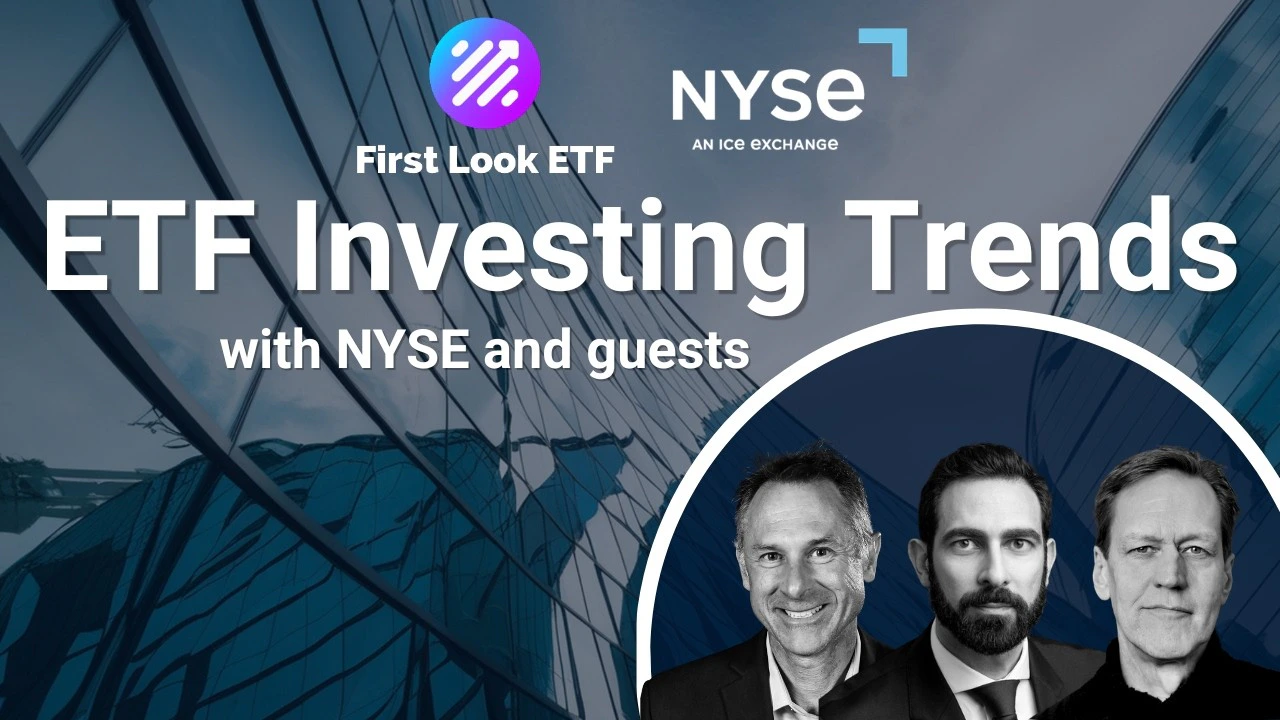
First Look ETF: Cash Deployment, Bond, and Hedged ETFs
In this season 6 episode of First Look ETF, Stephanie Stanton examines the latest ETF marketplace trends with NYSE and guests.

ETF Trends
ETF Industry KPIs July 6, 2026
This week’s KPI data overview highlights key metrics and trends shaping the ETF landscape.
Asset TV
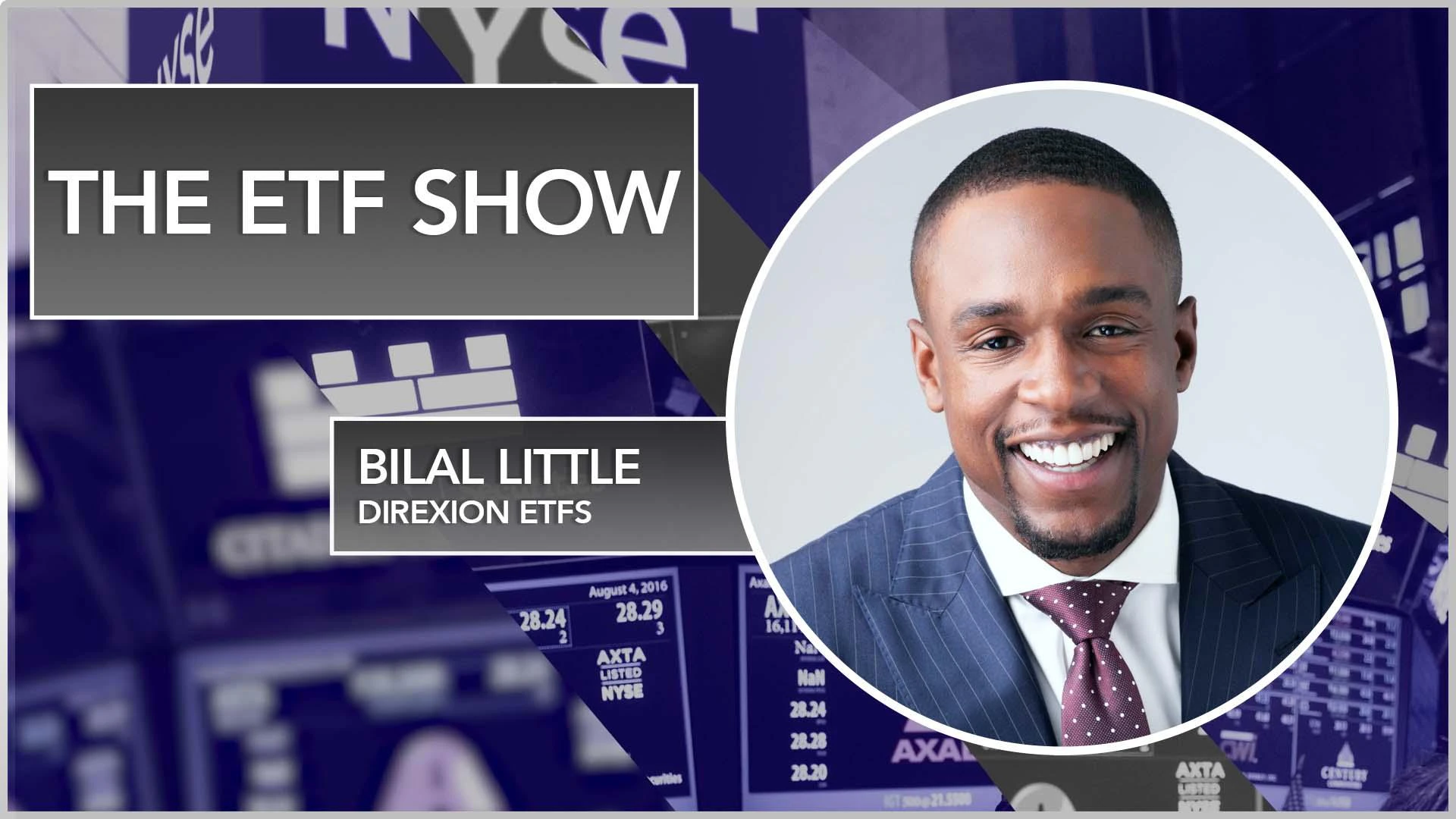
The ETF Show - The Evolution of Leveraged & Inverse ETFs
Leveraged and inverse ETFs have exploded in popularity over the past decade capturing more assets as retail traders seek to capture volatility.

Browse all educational columns



Active Trader Report: Use of Leveraged & Inverse ETFs Way Up
Direxion partnered with Compound Insights and Vanda to explore what’s driving the evolution of active trading — and how active traders are using leveraged and inverse funds across equities, single stocks, commodities, and volatility.