NYSE CRTR Economy Event Watch the replay →



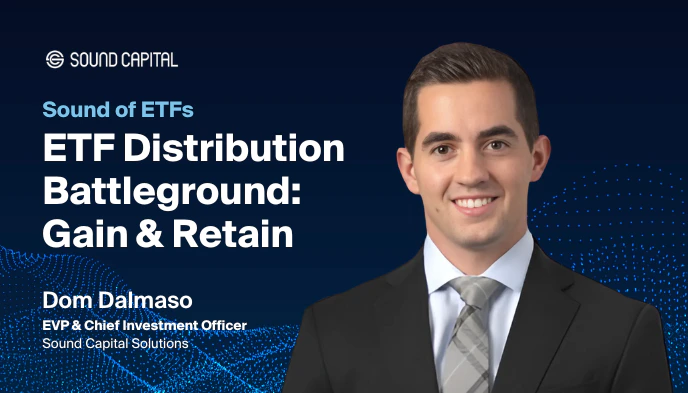
ETF Distribution Battleground - Gain & Retain
In the crowded ETF market, success goes beyond just launching a great product. A well-executed 'Gain & Retain' strategy can set you apart, helping you capture and grow assets through careful planning and tactical execution.

Keep up with what matters in ETFs
Get timely ETF insights, market trends, and top ideas straight to your inbox.
Your newsletter subscriptions with us are subject to ETF Central's Privacy Policy and Terms and Conditions.
The age-old question for those bringing out ETFs is- If I launch a great product, will AUM follow? It’s no secret that AUM flows into ETFs have experienced steady growth as the wrapper has increased in popularity among all investors. With increased popularity and competition, how can skilled managers differentiate themselves? That’s where a “Gain & Retain” sales and distribution strategy comes into effect.
The ETF Sales & Distribution battleground has many different players and many ways to play, but there seems to be commonalities between the various “go to market strategies”. The hope is to lay out a framework for those looking to join existing ETF issuers battling for investor assets, institutional shelf space, and brand recognition from the experience of industry experts.
Gaining & Retaining assets is never an easy task without direction, so an effective distribution strategy framework can be accomplished in 3 phases: Recon, Gameplan, and Execution.
The ETF Industry Is Evolving Fast
From AI infrastructure to active strategies, the ETF landscape is shifting. Share your perspective in the 7th Annual Global ETF Survey and get exclusive early access to the final report.
Recon
Understanding the competitive landscape of your unique ETF is paramount. Creating a plan without intel and direction can lead to misguided efforts. The first phase in attacking sales & distribution efforts begins with a forensic dive into where your ETF “fits”.
Who is the Target AUM Audience?
ETFs cater to a diverse clientele, including retail investors, institutional investors, financial advisors, and pension funds – each having unique needs and preferences. Identifying which group, or groups, your ETF will best serve is critical to the establishment of an effective sales and distribution plan. Whether it’s offering institutional capabilities to retail clients through derivative based strategies or unique beta exposure to emerging sectors, a great product can only go as far as its targeted investors.
AUM Destinations - Captive v Captured
AUM is always top of mind when considering launching an ETF. Assets are usually in one of 2 categories – Captive and Captured.
Captive AUM can be described as capital brought in or identified prior to launch. Often this is from a seed investor to help launch the strategy, financial advisors that have a need within their book of business, those who express interest or commitment once an ETF begins trading, or a control group that has assets to be converted from an existing strategy into the ETF. All these avenues are great AUM sources on day 1 or within the first weeks after launch.
Identifying Captured AUM can be challenging, but with the right strategy, it’s possible. Finding AUM involves assessing various channels where ETFs are commonly sold, such as:
- Brokerage Platforms: Online brokerages and self-directed platforms have grown in popularity as younger generations begin investing. ETFs are a common, low-cost investment with low minimums attracting investors that may have an impact or purpose-driven portfolios.
- Financial Advisors: Many retail investors rely on advisors for investment choices, so understanding the various gating requirements at larger advisor platforms vs. independent registered investment advisors (RIA’s) can be sources of AUM. Building relationships with advisors and offering differentiated solutions can facilitate access to their client base.
- Institutional Investors: Larger funds and pension plans often have distinct requirements, so working with relevant groups to create customized products can result in early captive assets and further captured adoption by similar institutions.
Gameplan
Following a thorough market analysis and insights gained from the “Recon” phase, the “Gameplan” stage can begin. This stage includes identifying how your ETF offers a differentiated solution in portfolios compared to similar strategies, understanding ETF due diligence and approval metrics, and the creation of a realistic timeline to implement the “Gameplan”.
How to Compete Against Existing Strategy
Each ETF issuer should develop a distinct value proposition that highlights what sets them apart. A unique strategy can benefit from first mover effect to gain assets, but market acceptance may be a hurdle as institutions and investors take time to understand where this new strategy fits.
In most cases where there are similar, existing strategies in the marketplace, pick a lane and stick to it. Positioning the strategy can go in many different directions, – low cost, alpha generating, beta exposure, etc. – so finding a niche within comparable products will serve the ETF long-term. Complementing a largely adopted ETF with a reliable brand can be just as effective to reach investors as it serves a purpose in numerous portfolios.
Reaching AUM Destinations
During the planning phase and identification of possible destinations for captured AUM, there are key due diligence and product approval considerations which influence the ability of financial advisors and certain investors to access your ETF. Some of these factors include platform fees, performance, AUM, track record, trading volume, and platform availability.
Self-directed, retail investors may not have the same restrictions for some ETFs, so digital marketing and social media engagement are often cited as cost conscious ways to reach investor segments.
Establish a Timeline
A 1-year goal usually takes…1 year to accomplish. Outside of the given frames that are required or established by others, sticking to the plan set forth by the recon and discovery process helps everyone stay on track. Above all, establishing a budget for sales & distribution efforts needs to be at the forefront of all planning conversations.
Execution
The “Execution” phase is where the strategy comes to life, focusing on establishing a strong brand presence and driving investor engagement with all efforts driven toward pre-determined AUM destinations. AUM accumulation is only the beginning. Successful execution of sales & distribution needs to be a living plan – emphasizing retaining assets during ongoing efforts.
Brand Establishment
While a regulatory requirement, an informative and user-friendly website often acts as the introduction to your ETF and hub for all related content. Investors in all AUM categories go to an ETF’s website before and after they purchase the Fund. Once they visit the website, find ways to keep them there and coming back for more!
Educational resources and thought leadership pieces not only act as promotional and retention tools but also attracts attention to instill confidence in your brand. Whitepapers, webinars, and FAQs educate potential investors regarding the ETF’s strategy and performance to attract investors. Outside of strategy specific content, regular updates on the ETF industry and investment market conditions can attract a broader audience.
In addition, ETF conference and similar events can enhance your ETF’s visibility and expand relationships. Participating in industry events provide networking opportunities that allow issuers to connect with potential partners, financial advisors, and individual investors.
Performance Metrics
Ultimately, performance remains a key driver in the Execution phase. Without having above-average performance or meeting expectations within the parameters of the investment policy, attracting and retaining investors becomes increasingly difficult. This isn’t earth shattering news, but do not neglect a regular review of your ETF’s performance combined with thoughtful communication of factors attributing to past performance. This creates a transparent, proactive experience for investors in your ETF and continues the brand’s enhancement.
There is no single, one size fits all ETF sales & distribution strategy. There are plenty of “right place, right time” stories regarding successful ETF’s; however, being in the right place at the right time can be a result of being well prepared to meet an opportunity. It’s no secret that navigating ETF sales and distribution is difficult, but a well thought out plan to Gain & Retain AUM will be done by thoughtful exploration, careful planning, and tactical execution.
Please note this article is for information purposes only and does not in any way constitute investment advice. It is essential that you seek advice from a registered financial professional prior to making any investment decision.

Latest ETF News
See all ETF news

Why ETF Spreads Often Mislead Investors








 Advantages of ETFs over Mutual Funds1/6
Lower Costs
In this guide, we'll explore the advantages of ETFs over mutual funds, giving you valuable insights into why ETFs have gained significant popularity among investors like yourself.
Leveraged ETFs: Unlocking the Potential for Amplified Returns1/6
Understanding Leveraged ETFs
Explore leveraged ETFs: potential for amplified returns & risks. 5 ETFs to consider across equities, commodities & fixed income.
What is a Leveraged ETF?1/6
Introducing Leveraged and Inverse ETFs
In this guide, we'll dive into the world of leveraged ETFs, exploring their definition, mechanics, potential risks, and rewards.
Recent educational content
Asset TV
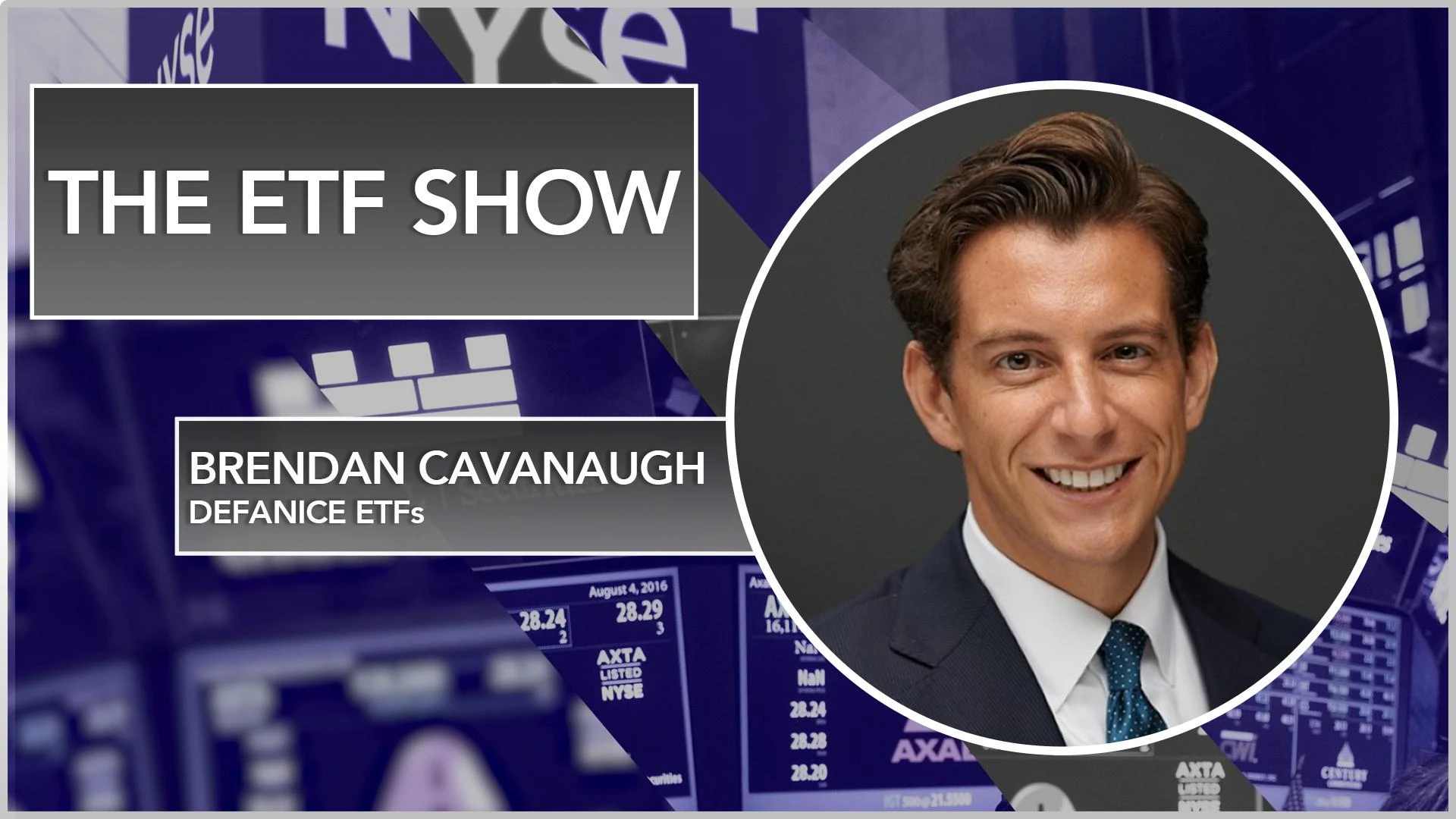
The ETF Show - New Autism-Impact ETF Launched
Defiance ETFs has launched the first ETF, $ASD, focused on the autism ecosystem, investing in companies that provide services, products, and research related to autism and neurodivergence.


ETF Trends
ETF Industry KPIs June 1, 2026
The ETF Industry saw 22 New Launches, 1 Ticker Change and 1 closure last week.

ETF Trends
ETF Industry KPIs May 20, 2026
The ETF Industry saw 44 New Launches, 3 Mutual Fund Conversions and 9 closures last week.
Asset TV
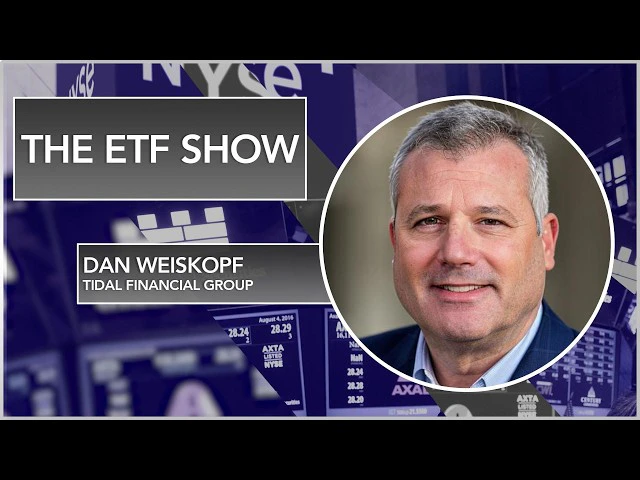
The ETF Show - Politics Becomes Investable Trade through ETFs
Dan Weiskopf, Senior Portfolio Manager at Tidal Financial Group spoke with the ETF Show about Subversive ETFs that help investors trade like politicians.
Browse all educational columns



Expert-Built ETF Portfolios, All in One Place
Don’t start from scratch. Discover ready-made ETF portfolios built by professionals to match different goals, timelines, and market views. Use them as inspiration or as a starting point for your own allocation.