Open Now: The Global ETF Survey Take the Survey →



Commodities Boom on the Horizon? Top Strategist Shares His Outlook
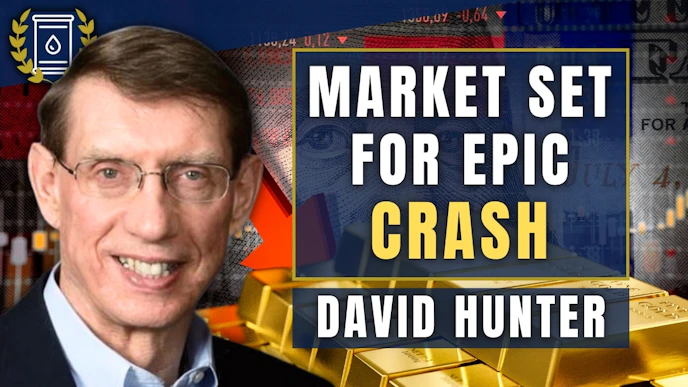
Macro strategist David Hunter joins the Commodity Culture podcast to weigh in on current market conditions, recession risks, and the future of gold and oil.

Keep up with what matters in ETFs
Get timely ETF insights, market trends, and top ideas straight to your inbox.
Your newsletter subscriptions with us are subject to ETF Central's Privacy Policy and Terms and Conditions.
In this episode of Commodity Culture, Chief Macro Strategist at Contrarian Macro Advisors David Hunter joins host Jesse day to discuss current market trends, the potential for a significant market correction, and the future of commodities like gold and oil, highlighting a blend of cautious optimism and strategic preparation.
Watch the conversation on Youtube
Here's a detailed look into the key takeaways from their discussion:
Like what you're reading?
Stay in the loop — get the latest ETF insights: trends, analysis, and expert picks.
Current Market Trends: The Calm Before the Storm?
David Hunter, with his extensive experience on Wall Street, starts by highlighting the Federal Reserve's recent meeting and its implications. The market expects a rate cut in September, but Hunter points out the possibility of an earlier surprise.
The slowing economy suggests a rate cut might be necessary now. Hunter emphasizes that the bond market is already responding to the slowing economy and declining inflation, essentially doing the Fed's job of cutting rates.
He mentions a recent correction in the market, driven by factors like increased insider selling, but notes that markets have bounced back, exemplified by Nvidia's surge.
The Melt-Up and the Parabolic Rise
Hunter introduces the concept of a "melt-up," a rapid market rise driven by investor enthusiasm. He believes we're in the midst of this, which began last October. The market has experienced healthy pullbacks, which Hunter views as necessary to prevent overheating.
These pullbacks build a "wall of worry," providing fuel for further advances. Despite skeptics predicting crashes at every pullback, Hunter maintains that these corrections are part of a broader uptrend. He foresees a final parabolic leg in the market, leading to a significant peak, marking the end of a 42-year secular bull market.
The Fed and the Bond Market: A Delicate Dance
Hunter argues that the bond market, not the Fed, sets rates. The Fed's influence is limited to short-term rates, while the bond market determines longer-term rates. With the bond market already lowering rates in response to economic conditions, Hunter believes the Fed's actions are less critical.
He predicts multiple rate cuts by the Fed by the end of the year, driven by a slowing economy and the Fed's tendency to react too late. This delay, Hunter warns, could lead to a severe economic downturn due to the high levels of leverage in the system.
Global Bust: A Looming Threat
Hunter paints a grim picture of a global bust, which he defines as a severe economic downturn but shorter than a depression. He anticipates this bust will be more damaging than the 2008-2009 financial crisis, exacerbated by unprecedented levels of global debt and leverage.
Historical parallels, such as the Great Depression and previous financial crises, offer glimpses of what might come, but Hunter believes the current situation is unique. The interconnected global financial system means that problems in one region can quickly spread worldwide.
Commodities: Gold, Oil, and the Future of Energy
Hunter discusses the strategic importance of commodities in the coming economic shifts. He predicts gold prices will soar to $3,000 this year, potentially higher, with silver reaching $75. These precious metals will play a crucial role in hedging against the economic turbulence. Oil, according to Hunter, is on a different trajectory.
He foresees oil prices dropping to $60 and potentially $30 during the bust due to falling demand. However, in the longer term, he predicts oil could rise to $500 per barrel by the end of the decade due to a combination of supply constraints and increased demand from industrial growth.
The Role of Treasuries and the Dollar
In the face of the expected market downturn, Hunter sees U.S. Treasuries as a safe haven. He predicts significant appreciation in treasuries as interest rates fall dramatically. He also forecasts a major rebound in the U.S. dollar during the bust, driven by its status as a global safe haven. This flight to safety will see the dollar recover from a low of 80 to potentially over 120.
Preparing for the Future: Strategic Moves
Hunter advises investors to focus on assets that can withstand the predicted economic turbulence. Treasuries, the U.S. dollar, and precious metals are key components of a resilient portfolio. While Hunter stops short of giving specific investment advice, his insights suggest a cautious but strategic approach to navigating the coming economic storm. He underscores the importance of being prepared for both short-term corrections and longer-term market shifts.
Concluding Thoughts
David Hunter's insights provide a comprehensive overview of the current market dynamics and the future of commodities. His experience and strategic perspective offer valuable guidance for investors looking to navigate the complexities of today's economic landscape. As the world braces for potential economic upheavals, Hunter's analysis serves as a crucial resource for understanding the interplay between market trends, central bank policies, and the evolving role of commodities.
About the Host
Jesse Day is the host of the Commodity Culture Youtube show and podcast, where he engages in deep conversations with prominent investors, fund managers, analysts and mining company CEOs with the aim of making the audience better investors in the commodities sector. Topics covered include precious metals, oil and gas, uranium, agriculture, and much more. In addition to interviews, Jesse has produced some of the most viewed documentaries on commodities online, including his Platinum documentary, which has amassed more than 1.4 million views to date. Jesse also produces educational content on commodities for Sprott Asset Management, to promote their suite of ETF products.
Disclaimer
Please note this article is for information purposes only and does not in any way constitute investment advice. It is essential that you seek advice from a registered financial professional prior to making any investment decision.


Latest ETF News
See all ETF news








 Advantages of ETFs over Mutual Funds1/6
Lower Costs
In this guide, we'll explore the advantages of ETFs over mutual funds, giving you valuable insights into why ETFs have gained significant popularity among investors like yourself.
Leveraged ETFs: Unlocking the Potential for Amplified Returns1/6
Understanding Leveraged ETFs
Explore leveraged ETFs: potential for amplified returns & risks. 5 ETFs to consider across equities, commodities & fixed income.
What is a Leveraged ETF?1/6
Introducing Leveraged and Inverse ETFs
In this guide, we'll dive into the world of leveraged ETFs, exploring their definition, mechanics, potential risks, and rewards.
Recent educational content

ETF Trends
ETF Industry KPIs July 13, 2026
This week’s KPI data overview highlights key metrics and trends shaping the ETF landscape.

First Look ETF
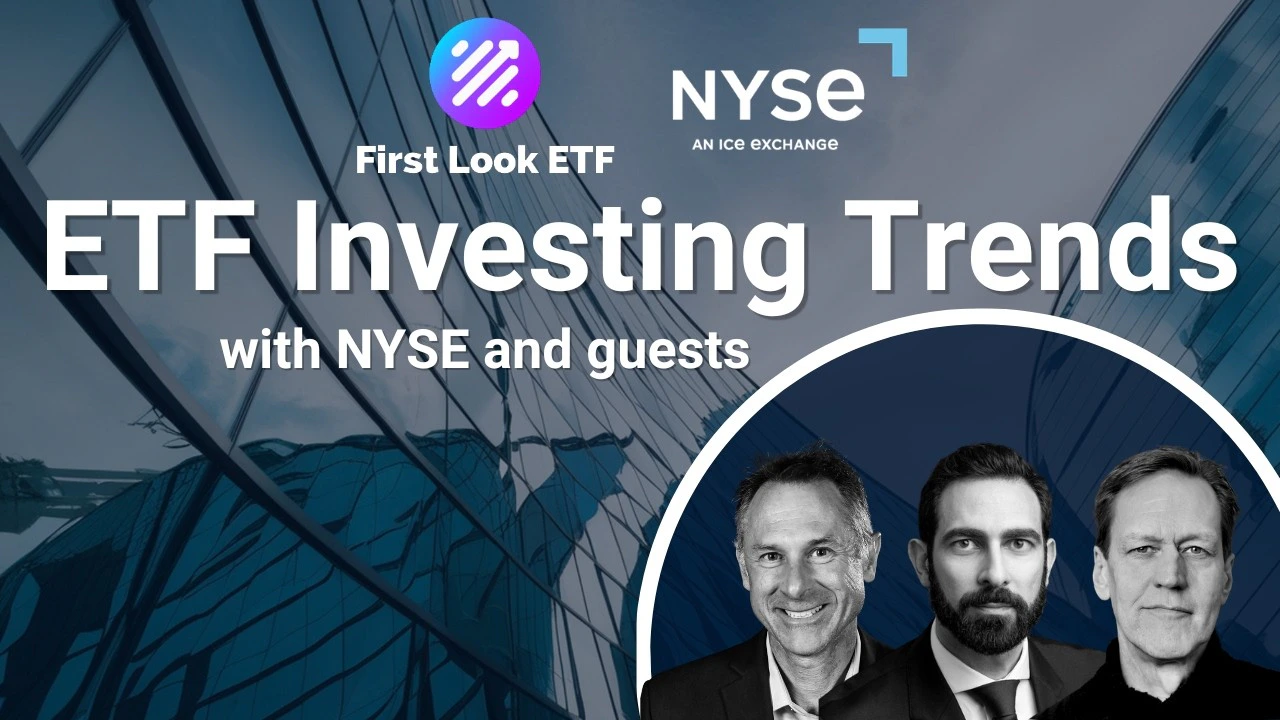
First Look ETF: Cash Deployment, Bond, and Hedged ETFs
In this season 6 episode of First Look ETF, Stephanie Stanton examines the latest ETF marketplace trends with NYSE and guests.

ETF Trends
ETF Industry KPIs July 6, 2026
This week’s KPI data overview highlights key metrics and trends shaping the ETF landscape.
Asset TV
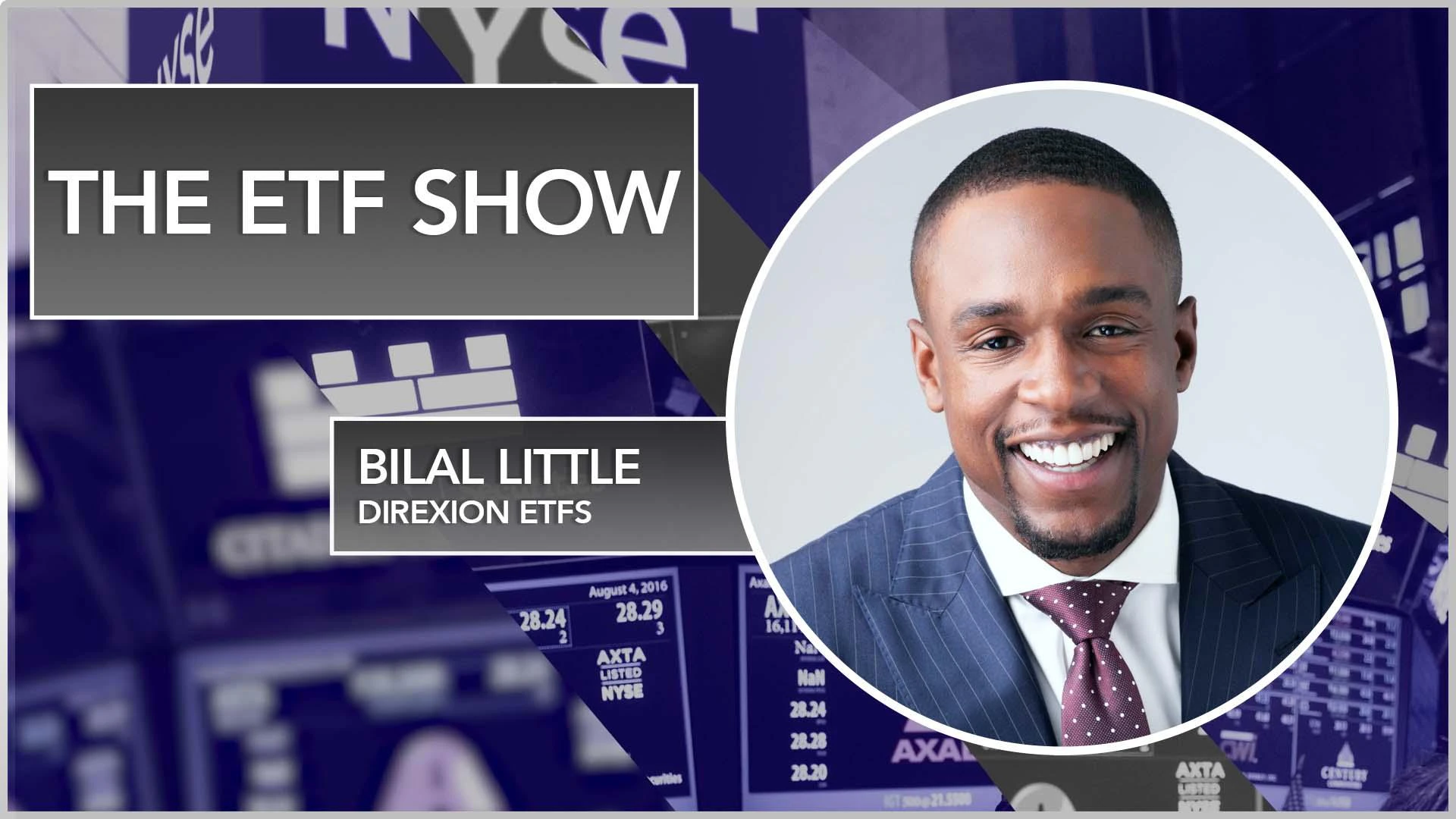
The ETF Show - The Evolution of Leveraged & Inverse ETFs
Leveraged and inverse ETFs have exploded in popularity over the past decade capturing more assets as retail traders seek to capture volatility.

Browse all educational columns



Build and Analyze Your ETF Portfolio Like a Pro
Create your own ETF portfolio in minutes and instantly see allocations, exposures, performance, and risk. Visualize diversification across asset classes, regions, and sectors. Stress-test ideas, compare benchmarks, and refine your strategy with professional-grade analytics.