ETF model portfolios designed for real investor needs. Discover →



Cannabis inflows and the potential for outperformance
In this article we dive into what has been going on in the cannabis market and ways to invest in this highly speculative industry.


Keep up with what matters in ETFs
Get timely ETF insights, market trends, and top ideas straight to your inbox.
Your newsletter subscriptions with us are subject to ETF Central's Privacy Policy and Terms and Conditions.
Cannabis stocks have been beaten up badly over the past several years. Touted by many investors as the next large growth market, over-investment and poor capital allocation have led to a lot of value destruction.
Recently, however, there have been positive inflows in the sector, and while the stocks are still losing ground valuation-wise, they are actually better positioned than they were a few years ago to outperform.
The poor capital allocators are being shaken out of the industry and demand continues to grow, driven by:
- Conversion from the black market to the legal market
- Greater cultural acceptance of marijuana use
- Potential for federal legalization in the U.S. which should create a huge tailwind for the industry
- Potential for legalization in other countries such as Germany which could spur demand as well
Of course, there are still issues within the industry – namely, that cannabis has not been federally legalized and cannot be transported across legalized states which constrains the efficiency of the market.
Like what you're reading?
Stay in the loop — get the latest ETF insights: trends, analysis, and expert picks.
Extremely low valuation may be an entry point
While we have seen a broad-based market sell-off, those companies deemed ‘higher risk’ have been hit much harder. Cannabis stocks are a prime example, with their stocks down massively over the past year or so. Cannabis companies have struggled for several reasons since the early honeymoon days of speculation. As the industry matures, the companies have suffered from:
- Inventory write-downs
- Pricing pressure
- Unclear path to profitability
It makes sense that investors do not want to be investing in companies that cannot generate a profit while heading into a recession. However, it is important to realize that these companies are generally well-capitalized to weather economic downturns, having been able to raise a lot of money when their valuations were much higher.
These companies are not high-quality companies by any means, however there are multiple catalysts that can drive these stocks higher, with the largest being U.S. federal legalization. The second largest would be the companies actually becoming profitable and potentially being able to attract more investors from different cohorts.
ETFs to gain exposure to cannabis
There are a number of cannabis ETFs (with interesting tickers) that investors might want to consider should they wish to gain exposure to the sector. Some are more focused on the Canadian licensed producers (given that many U.S. companies are traded in OTC markets and are not publicly traded on official stock exchanges). Others are more focused on the entire supply chain and related industries within the cannabis sector, holding more of the OTC companies. Examples of cannabis ETFs include:
MSOS (AdvisorShares Pure US Cannabis ETF)
- AUM: $628M
- 1mo Flows: +0.24%
- 1mo Performance: -7.1%
YOLO (AdvisorShares Pure Cannabis ETF)
- AUM: $628M
- 1mo Flows: +0.24%
- 1mo Performance: -11.9%
POTX (Global X Cannabis ETF)
- AUM: $58M
- 1mo Flows: +0.10%
- 1mo Performance: -15.1%
It should be noted that these companies are still very speculative and that the potential growth catalysts may have a low likelihood of occurring (or may not occur at all) over the next few years, so these investments should only be borne by those with high risk tolerance, and should be a small allocation of an overall portfolio.
Data for this article is as of September 13, 2022.
Disclaimer: This article is limited to the dissemination of general information pertaining to investment strategies and financial planning and does not constitute an offer to issue or sell, or a solicitation of an offer to subscribe, buy, or acquire an interest in, any securities, financial instruments or other services, nor does it constitute a financial promotion, investment advice or an inducement or incitement to participate in any product, offering or investment.

Latest ETF News
See all ETF newsETF Comparison: State Street SPDR S&P 500 ETF Trust (SPY) Versus State Street SPDR Portfolio S&P 500 ETF (SPYM)


How Covered Call ETFs Evolved Through the Years

There's an ETF for That? Funds with a Social Impact

Can Gold Miner ETFs Be a Better Alternative to Leveraged Gold ETFs?




 Advantages of ETFs over Mutual Funds1/6
Lower Costs
In this guide, we'll explore the advantages of ETFs over mutual funds, giving you valuable insights into why ETFs have gained significant popularity among investors like yourself.
Leveraged ETFs: Unlocking the Potential for Amplified Returns1/6
Understanding Leveraged ETFs
Explore leveraged ETFs: potential for amplified returns & risks. 5 ETFs to consider across equities, commodities & fixed income.
What is a Leveraged ETF?1/6
Introducing Leveraged and Inverse ETFs
In this guide, we'll dive into the world of leveraged ETFs, exploring their definition, mechanics, potential risks, and rewards.
Recent educational content
What’sTheFund
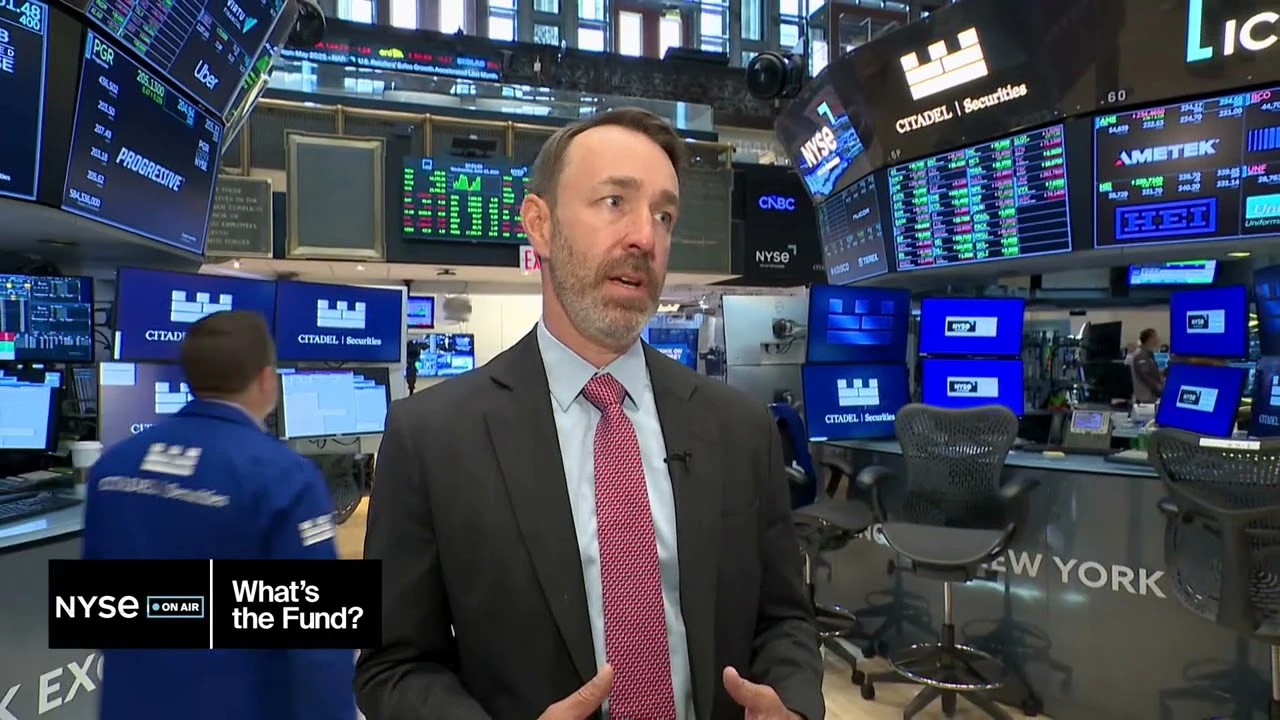
What's the Fund | Ocean Park Diversified Income ETF (DUKZ)
James St Aubin, Chief Investment Officer at Ocean Park Asset Management, discuss the DUKZ ETF, exposing investors to the whole spectrum of asset classes in the fixed income markets, through their rules-based process.

ETF Takeaway
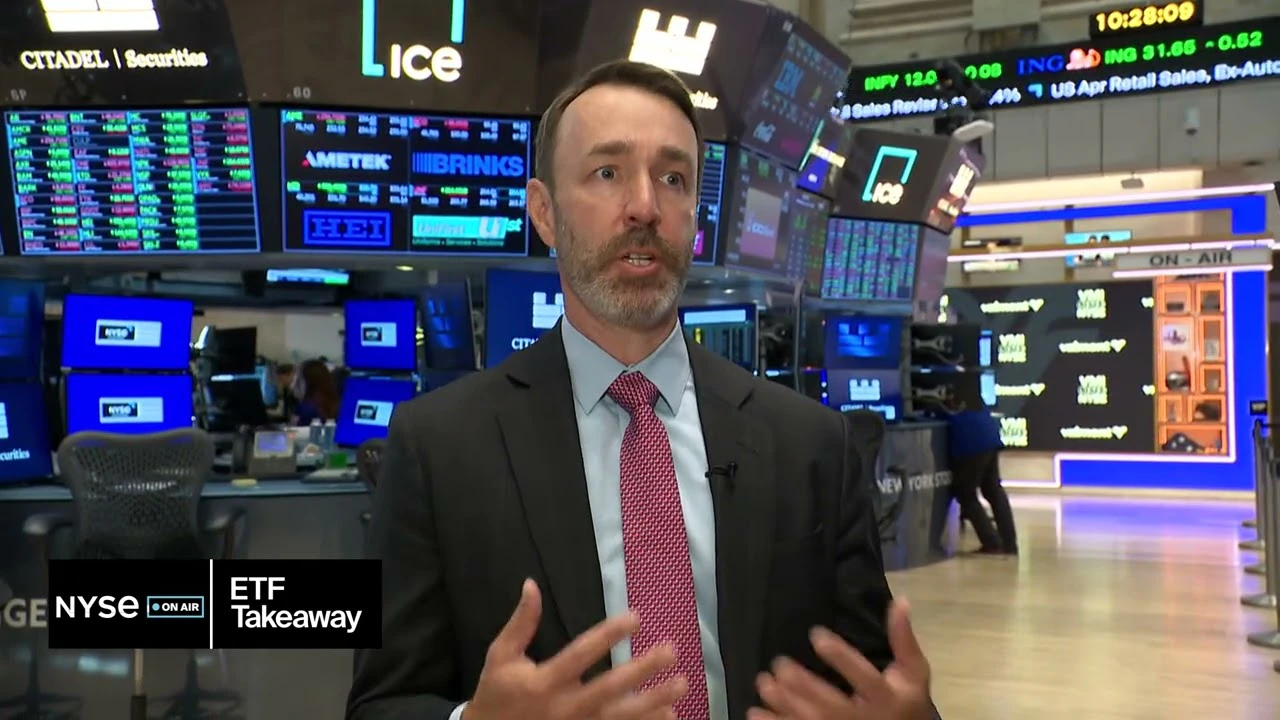
ETF Takeaway: Ocean Park Diversified Income ETF (DUKZ)
James St Aubin, Chief Investment Officer at Ocean Park Asset Management discusses the state of fixed income markets and how their DUKZ ETF, through their rules-based process, tactically allocates to 11 sectors of fixed income through underlying ETFs.

ETF Trends
ETF Industry KPIs August 17, 2026
This week’s KPI data overview highlights key metrics and trends shaping the ETF landscape:


First Look ETF
First Look ETF: Cycle Aware Investing & Next-Gen Nicotine Shifts
In this season 6 episode of First Look ETF, Stephanie Stanton examines the latest ETF marketplace trends with NYSE and guests.

Browse all educational columns



Expert-Built ETF Portfolios, All in One Place
Don’t start from scratch. Discover ready-made ETF portfolios built by professionals to match different goals, timelines, and market views. Use them as inspiration or as a starting point for your own allocation.