NYSE CRTR Economy Event Watch the replay →



The Boom of Options-based ETFs: Opportunities, Risks, and the Need for Better Education
Options ETFs simplify complex strategies—but investor education is key.


Keep up with what matters in ETFs
Get timely ETF insights, market trends, and top ideas straight to your inbox.
Your newsletter subscriptions with us are subject to ETF Central's Privacy Policy and Terms and Conditions.
Exchange-traded funds (ETFs) have long been celebrated for their transparency, liquidity, and cost efficiency. However, as the ETF industry continues to evolve, options-based ETFs have emerged as a powerful tool for investors seeking innovative strategies that were once out of reach for the average market participant.
These ETFs provide exposure to sophisticated options strategies—ranging from income generation to downside protection—at a fraction of the complexity and cost of implementing them independently. However, as with any financial innovation, there are risks and knowledge gaps that investors must consider.
The ETF Industry Is Evolving Fast
From AI infrastructure to active strategies, the ETF landscape is shifting. Share your perspective in the 7th Annual Global ETF Survey and get exclusive early access to the final report.
The Rise of Options in ETFs
Options-based ETFs have gained significant traction in recent years, fueled by investor demand for yield enhancement, volatility management, and defined outcome strategies.
According to ETF Central data, these ETFs have attracted over $139B in net inflows over the past three years, and $64B over the past year alone.
The accessibility of institutional-grade options strategies through ETFs has opened new avenues for retail and institutional investors alike. Products focused on buy-write (covered call) strategies, put protection, and leveraged exposure are now commonplace in the ETF market.
The growth of structured, rules-based options ETFs highlights a broader trend: democratizing investment strategies that were once only available through bespoke derivative contracts or structured notes.
Unlocking Institutional Strategies for Retail Investors
One of the primary benefits of options-based ETFs is their ability to package complex strategies into a liquid and tradable product. Investors who previously needed extensive options knowledge and margin accounts can now access strategies such as:
- Covered Call (Buy-Write) ETFs – Selling covered calls to generate income while maintaining equity exposure. Examples include funds like QYLD (Global X Nasdaq 100 Covered Call ETF) and XYLD (S&P 500 Covered Call ETF).
- Put-Write Strategies – Selling puts to generate premium income while gaining indirect exposure to equity markets at a discount.
- Collar Strategies – Using put protection along with covered calls to create a defined risk-reward profile.
- Leveraged & Inverse ETFs – Utilizing options to provide enhanced exposure (e.g., 2x or 3x daily returns) or hedging capabilities.
- Defined Outcome ETFs – Offering structured risk/reward parameters, allowing investors to cap their upside while receiving downside protection.
The Cost & Efficiency Benefits of Options-Based ETFs
Implementing options strategies independently can be costly due to execution fees, bid-ask spreads, and margin requirements. Options-based ETFs provide a cost-effective alternative by pooling investor assets and executing strategies systematically, reducing individual transaction costs.
Additionally, they allow for more efficient portfolio management by automating options rollovers and ensuring liquidity for investors who may not have direct access to derivatives markets.
Potential Risks & Pitfalls
While options ETFs provide significant advantages, they also come with inherent risks:
- Liquidity Concerns – Some options-based ETFs trade with lower volume, leading to wider spreads and potential execution inefficiencies.
- Tracking Errors – Certain strategies may not perfectly align with expected outcomes due to imperfect hedging or pricing inefficiencies in the options market.
- Option Pricing and Decay – Time decay (theta) and volatility changes (vega) can impact performance in ways that investors may not fully anticipate.
- Misunderstood Risk Exposure – Many investors fail to account for the capped upside potential in covered call strategies or the potential losses in put-write strategies.
The Need for Issuers to Educate Investors
ETF issuers and asset managers must do a better job of educating their clients and the broader public about the nuances of options-based ETFs. While defined outcome ETFs, for example, are designed to deliver a structured exposure, investors must understand that these products work best when purchased at launch. Entering a defined outcome ETF mid-cycle can lead to materially different results due to changes in the fund's option positioning, market movements, and residual time to expiration.
Furthermore, the creation and redemption mechanics of options-based ETFs are more complex than traditional equity and fixed income ETFs. Unlike standard in-kind transactions, which allow market makers to exchange baskets of securities seamlessly, options ETFs may involve cash components or require specific hedging techniques that impact secondary market pricing. Without proper education, investors may misunderstand how these products behave, leading to suboptimal decisions and misaligned expectations.
As options-based ETFs continue to grow in popularity, investor education must keep pace. Understanding how these funds function, their underlying mechanics, and potential risks is crucial for market participants. Many investors may be drawn to high-yielding buy-write ETFs without fully comprehending the trade-off of capped upside returns. Similarly, defined outcome ETFs require an understanding of reset periods and how structured products behave in volatile markets.
Final Word
Options-based ETFs have revolutionized access to sophisticated trading strategies, making them more attainable for retail and institutional investors alike. While these products offer compelling benefits such as income generation, downside protection, and leveraged exposure, they also introduce complexities that require careful consideration. As this segment of the ETF market continues to expand, issuers and investors must prioritize education and risk management to fully harness the potential of options in ETFs.
About the Author
Nicholas Phillips | President of ETF Capital Markets Advisors LLC
With over 25 years of experience in ETF market making and capital markets, Nicholas Phillips is recognized as a subject matter expert in the ETF industry. He started his career spending the first ten years as a lead market maker for SIG and Goldman Sachs.
At the helm of MCAP LLC's ETF Desk, Nicholas built and scaled the division, enhancing its operations through innovative pricing and risk models, and robust relationships with market makers and issuers. His tenure at Van Eck Associates as Director of ETF Capital Markets further solidified his expertise, managing critical facets of operations and deepening connections within the trading community.
Beyond market making, Nicholas is an avid content creator, sharing insights that demystify complex market dynamics. He is keen on exploring board member roles that benefit from his extensive background and forward-thinking approach to ETF strategies. His dual US/Ireland citizenship complements his global perspective, enriching his professional endeavors in diverse markets.
Disclaimer
Please note this article is for information purposes only and does not in any way constitute investment advice. It is essential that you seek advice from a registered financial professional prior to making any investment decision.


Latest ETF News
See all ETF news

Why ETF Spreads Often Mislead Investors







 Advantages of ETFs over Mutual Funds1/6
Lower Costs
In this guide, we'll explore the advantages of ETFs over mutual funds, giving you valuable insights into why ETFs have gained significant popularity among investors like yourself.
Leveraged ETFs: Unlocking the Potential for Amplified Returns1/6
Understanding Leveraged ETFs
Explore leveraged ETFs: potential for amplified returns & risks. 5 ETFs to consider across equities, commodities & fixed income.
What is a Leveraged ETF?1/6
Introducing Leveraged and Inverse ETFs
In this guide, we'll dive into the world of leveraged ETFs, exploring their definition, mechanics, potential risks, and rewards.
Recent educational content
Asset TV
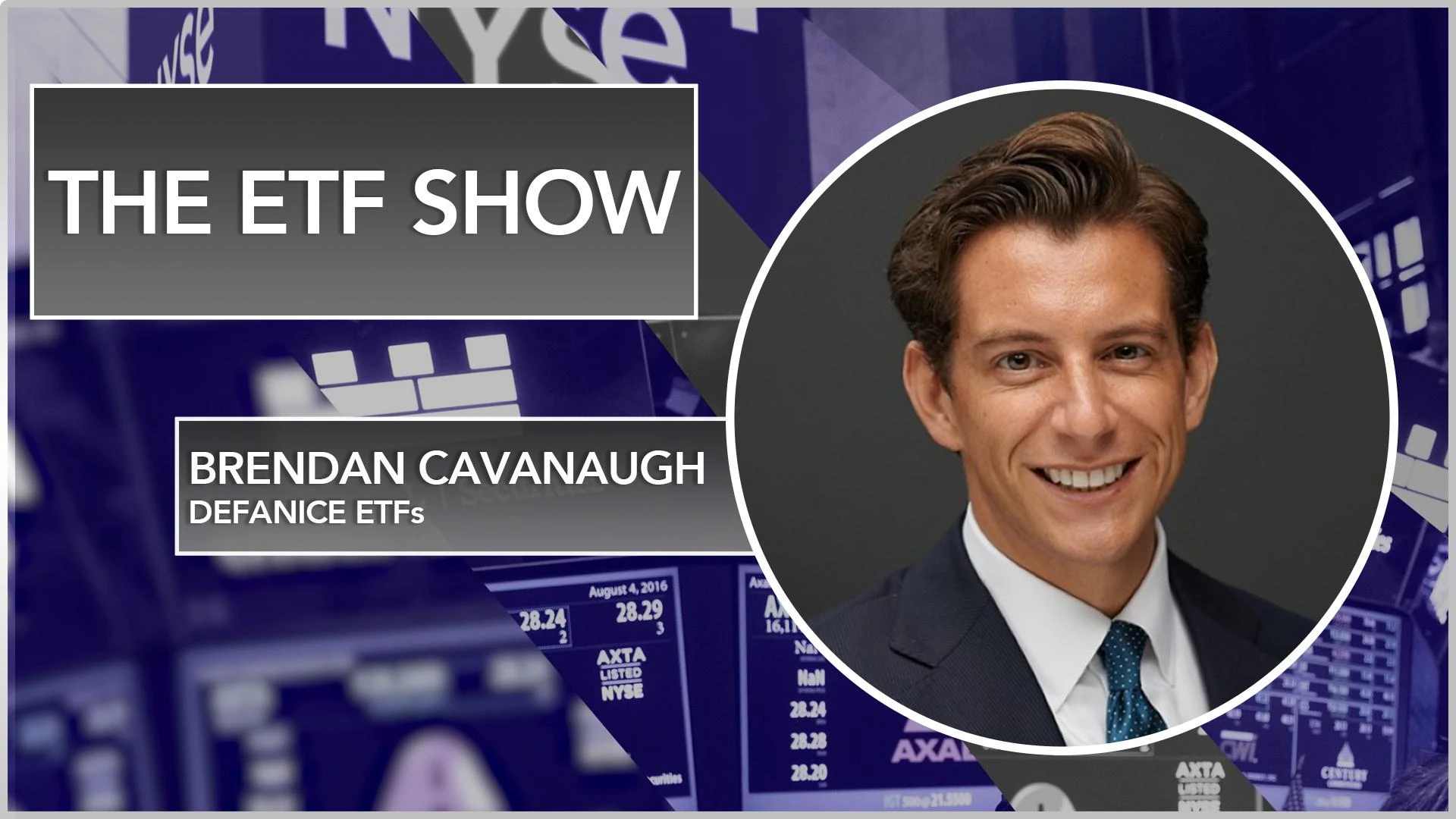
The ETF Show - New Autism-Impact ETF Launched
Defiance ETFs has launched the first ETF, $ASD, focused on the autism ecosystem, investing in companies that provide services, products, and research related to autism and neurodivergence.


ETF Trends
ETF Industry KPIs June 1, 2026
The ETF Industry saw 22 New Launches, 1 Ticker Change and 1 closure last week.

ETF Trends
ETF Industry KPIs May 20, 2026
The ETF Industry saw 44 New Launches, 3 Mutual Fund Conversions and 9 closures last week.
Asset TV
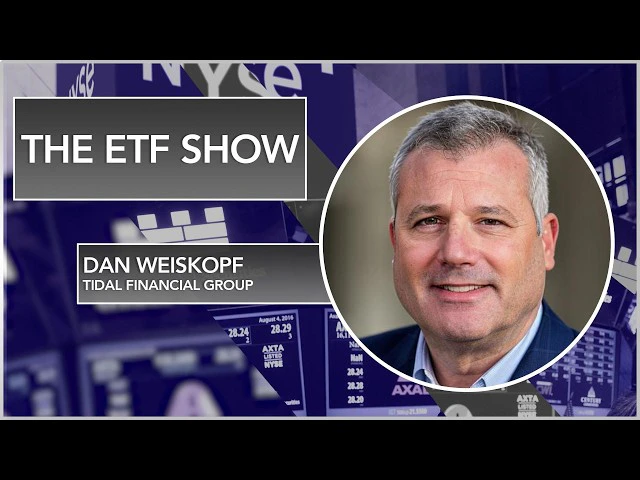
The ETF Show - Politics Becomes Investable Trade through ETFs
Dan Weiskopf, Senior Portfolio Manager at Tidal Financial Group spoke with the ETF Show about Subversive ETFs that help investors trade like politicians.
Browse all educational columns



The ETF Industry Is Evolving Fast
From AI infrastructure to active strategies, the ETF landscape is shifting. Share your perspective in the 7th Annual Global ETF Survey and get exclusive early access to the final report.