Turn ETF ideas into real portfolios. Try the builder now →



Analyzing the Potential ETF Winners & Losers from The Weight-Loss Drug Craze
Ozempic, Wegovy, and Mounjaro – here's how the latest weight-loss drugs could affect some pharmaceutical and food ETFs.


Keep up with what matters in ETFs
Get timely ETF insights, market trends, and top ideas straight to your inbox.
Your newsletter subscriptions with us are subject to ETF Central's Privacy Policy and Terms and Conditions.
The investment landscape is continually shaped by innovative products, corporate strategies, and emerging services. Industry and sector-specific ETFs provide exposure to these dynamics, offering investors the chance to capitalize on specific trends via a top-down strategy.
This approach to investing gained significant traction during the COVID-19 pandemic, as those who strategically overweighted healthcare and pharmaceutical sectors reaped substantial rewards.
Now, as the dust settles on one trend, another wave is poised to make its mark, though it's not the much-anticipated artificial intelligence revolution. Instead, the spotlight turns to the healthcare sector once again, with a trio of FDA-approved weight-loss drugs: Ozempic, Wegovy, and Mounjaro.
Developed by pharmaceutical powerhouses Novo Nordisk and Eli Lilly & Co, these drugs are already pinging on investor radars as potential long-term catalysts.
Here's all you need to know about these drugs, along with an analysis of which ETFs might experience tailwinds or face headwinds in their wake, all else being equal.
Like what you're reading?
Stay in the loop — get the latest ETF insights: trends, analysis, and expert picks.
How do these weight loss drugs work?
These new weight-loss drugs, though distinct in their specifics, generally work by targeting areas of the brain that regulate appetite and food intake.
Essentially, they send signals to the brain to promote feelings of fullness, which helps reduce overall calorie consumption.
Additionally, some of these drugs also slow down gastric emptying, the process by which food exits the stomach and enters the small intestine, contributing further to a sensation of fullness.
The main takeaway from the mechanism of these weight-loss drugs is straightforward: they help people eat less by enhancing the feeling of satiety.
This seemingly simple effect—consuming fewer calories—can ripple out to have significant implications for a range of companies.
Potential losers: food and beverage ETFs
For food producers and retailers, particularly those whose sales are heavily reliant on high-calorie or processed food items, the widespread adoption of such drugs could lead to decreased demand.
If weight-loss drugs like Ozempic, Wegovy, and Mounjaro become a mainstay in the market, consumer staples sector companies known for their high-calorie and prepackaged food offerings could face headwinds.
Brands may experience a shift in consumer preferences as those on these medications may opt for lower-calorie options, reducing the sales of sugary beverages, cereals, snacks, and other processed foods that have been core staples driving their top line.
For Coca-Cola, the impact might be felt in reduced sales volumes for their flagship sodas, as consumers managing their weight might pivot towards water, diet, or zero-calorie options.
General Mills might see a similar trend affecting their range of breakfast cereals and snack bars, traditionally high in sugars and carbohydrates.
PepsiCo, with its diverse array of snack foods and beverages, may have to innovate or highlight its healthier options to stay competitive.
Mondelez, known for its snack brands, could also be compelled to adjust its product strategies, emphasizing lower-calorie alternatives or new products that cater to health-conscious consumers.
In the consumer discretionary sector, restaurants such as McDonald's, Chipotle, and Domino's Pizza could face challenges, too. While these chains have been diversifying their menus to include healthier options, their core offerings are often calorie-dense.
If a significant portion of consumers begin using these weight-loss drugs, these companies might need to further adapt their menus or marketing strategies to appeal to a more health-focused clientele. This could mean a greater emphasis on salads, lean proteins, and low-carb options.
However, it's also possible that the convenience and affordability of these chains will continue to drive business from a diverse customer base, even among those seeking to manage their weight.
Industry-specific ETFs to watch here include the Invesco Food & Beverage ETF (PBJ) and the AdvisorShares Restaurant ETF (EATZ).
Potential winner: pharmaceutical ETFs
Pharmaceutical ETFs stand to be clear beneficiaries in the wake of FDA approval for new weight-loss drugs. FDA approval is a crucial step that allows pharmaceutical companies to market and sell their products in the U.S., one of the largest markets for healthcare products.
With this regulatory nod, companies like Novo Nordisk and Eli Lilly can actively promote their weight-loss drugs to doctors and consumers, expanding their consumer base significantly.
This approval can often lead to a surge in the companies' stock prices, as it not only validates the efficacy and safety of the drug but also opens the door to substantial revenue generation.
However, it's important to consider that the potential success of these drugs may already be priced in. That is, investors often anticipate FDA approvals and other significant milestones, buying into related stocks in advance, which can inflate valuations.
When it comes to the structure of ETFs, the way they are weighted is crucial in understanding how the success of a particular drug will affect the ETF's performance.
Market-cap-weighted ETFs allocate more of their assets to larger companies based on their market capitalization, meaning that the success of a blockbuster drug from a pharmaceutical giant will have a more pronounced effect on the ETF's overall performance.
This is particularly relevant for the weight-loss drugs in question, which are produced by some of the largest players in the industry. Therefore, a market-cap-weighted pharmaceutical ETF is likely to benefit more directly from the success of these drugs, as the positive financial impact on these large companies' bottom lines will be more substantially reflected in the ETF's value.
In contrast, equal-weight ETFs spread their investments more evenly across companies of varying sizes, including many small- and mid-cap firms. While this can offer more exposure to the potential high growth rates of smaller companies, it also means that the ETF is less sensitive to the performance of its largest holdings.
For investors specifically looking to capitalize on the success of weight-loss drugs from the likes of Novo Nordisk and Eli Lilly, a market-cap-weighted ETF would offer a more targeted investment strategy compared to equal-weight alternatives.
ETFs to watch here include the iShares U.S. Pharmaceuticals ETF (IHE) and the SPDR S&P Pharmaceuticals ETF (XPH).
Please note this article is for information purposes only and does not in any way constitute investment advice. It is essential that you seek advice from a registered financial professional prior to making any investment decision.
Mentioned ETFs
Further reading

Latest ETF News
See all ETF newsMoneyShow Chart of the Day 9/4/26: Don't Just Watch Oil. Watch THESE.


Chart of the Day 8/14/26: The Great "Hot Money" Migration

MoneyShow Chart of the Day 7/29/26: Now, THAT's What I Call Market Rotation!

MoneyShow Chart of the Day 7/16/26: Good News/Bad News on Inflation (and the Fed)




 Advantages of ETFs over Mutual Funds1/6
Lower Costs
In this guide, we'll explore the advantages of ETFs over mutual funds, giving you valuable insights into why ETFs have gained significant popularity among investors like yourself.
Leveraged ETFs: Unlocking the Potential for Amplified Returns1/6
Understanding Leveraged ETFs
Explore leveraged ETFs: potential for amplified returns & risks. 5 ETFs to consider across equities, commodities & fixed income.
What is a Leveraged ETF?1/6
Introducing Leveraged and Inverse ETFs
In this guide, we'll dive into the world of leveraged ETFs, exploring their definition, mechanics, potential risks, and rewards.
Recent educational content

ETF Trends
ETF Industry KPIs September 8, 2026
This week’s KPI data overview highlights key metrics and trends shaping the ETF landscape.

ETF Trends
ETF Industry KPIs August 31, 2026
This week’s KPI data overview highlights key metrics and trends shaping the ETF landscape.
ETF Trends
ETF Industry KPIs August 24, 2026
This week’s KPI data overview highlights key metrics and trends shaping the ETF landscape.
What’sTheFund
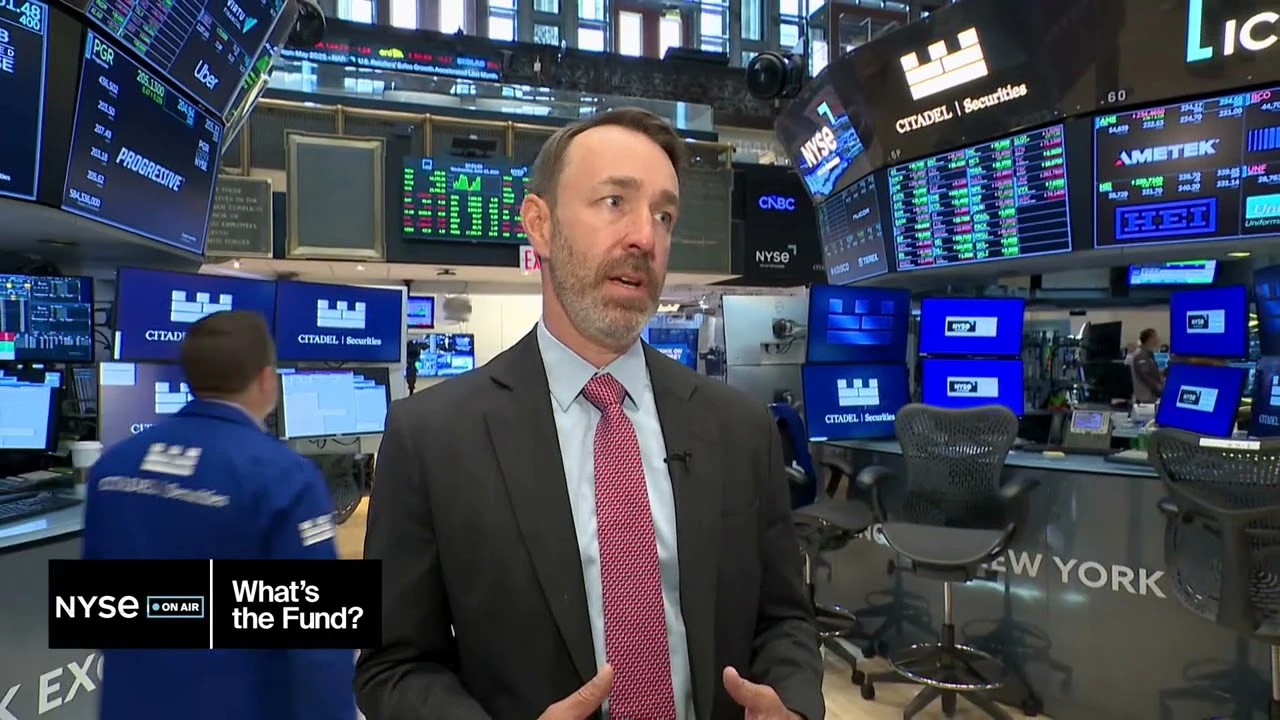
What's the Fund | Ocean Park Diversified Income ETF (DUKZ)
James St Aubin, Chief Investment Officer at Ocean Park Asset Management, discuss the DUKZ ETF, exposing investors to the whole spectrum of asset classes in the fixed income markets, through their rules-based process.

Browse all educational columns



Build and Analyze Your ETF Portfolio Like a Pro
Create your own ETF portfolio in minutes and instantly see allocations, exposures, performance, and risk. Visualize diversification across asset classes, regions, and sectors. Stress-test ideas, compare benchmarks, and refine your strategy with professional-grade analytics.