Open Now: The Global ETF Survey Take the Survey →



The Active vs. Passive ETF Debate: What Investors Need to Know
Active vs. Passive ETFs: Understanding their roles can unlock the full potential of your portfolio.


Keep up with what matters in ETFs
Get timely ETF insights, market trends, and top ideas straight to your inbox.
Your newsletter subscriptions with us are subject to ETF Central's Privacy Policy and Terms and Conditions.
As the ETF industry continues to evolve, the distinction between active and passive ETFs has become increasingly significant. Each plays a unique role in investors' portfolios, and understanding the correct expectations for both is essential.
The ETF Industry Is Evolving Fast
From AI infrastructure to active strategies, the ETF landscape is shifting. Share your perspective in the 7th Annual Global ETF Survey and get exclusive early access to the final report.
Passive ETFs: The Foundation of Simplicity and Precision
For many years, passive ETFs were the hallmark of the industry. They offered investors straightforward access to benchmarks like the S&P 500 or the Russell 2000, delivering exactly what their names promised. These "plain vanilla" products have long been celebrated for their simplicity and low costs.
The key to a good passive ETF lies in two critical components: tracking error and cost efficiency. Portfolio managers of passive ETFs are tasked with replicating their index as precisely as possible while minimizing expenses. However, this task is far from easy. Corporate actions, transaction costs, and rebalancing complexities can pose significant challenges. Yet, the hallmark of a great passive ETF is its ability to navigate these hurdles and deliver seamless replication.
An Anecdote on Passive ETFs in Action
Early in my career at an ETF issuer, I witnessed a significant redemption event in one of our funds. At first glance, it seemed like a cause for concern. Curious, I asked my boss about it. His response reshaped my understanding of ETF success.
He explained that this particular ETF was frequently used by hedge funds to hedge specific trades. These funds redeemed their positions once their strategic needs were met. Importantly, their redemption wasn’t a sign of dissatisfaction but rather an acknowledgment of the ETF’s utility and effectiveness.
The key takeaway was this: an ETF's success isn’t solely about attracting and retaining assets. It’s about whether investors have a positive experience—whether the ETF meets their strategic needs with ease and efficiency. This taught me that the true measure of a passive ETF's success lies in its reliability, utility, and investor satisfaction.
Active ETFs: A Wide Range of Opportunities and Challenges
While passive ETFs focus on delivering market returns, active ETFs aim to outperform benchmarks, often at a higher cost. The active ETF space has expanded dramatically, offering products that range from simple buy-write strategies to highly complex, proprietary models driven by specific portfolio managers.
Transparency and Investor Expectations
Active ETFs bring a level of transparency that is unique to the ETF structure. Most active ETFs provide daily disclosure of their holdings, allowing investors to monitor performance closely. This transparency helps maintain orderly markets and reduces the trading costs associated with spreads and inefficiencies.
However, with this transparency comes higher scrutiny. For active ETFs, the question isn’t just, “Did it track its benchmark?” It’s, “Did it beat the market, and did it justify its higher management fees?” Active ETF managers are held to a higher standard, and their success is measured not only by performance but by their ability to deliver value that exceeds their costs.
The Road Ahead: A Dynamic Landscape
As we move forward, the dynamics between active and passive ETFs will continue to evolve. Passive ETFs will likely remain the cornerstone of many portfolios due to their simplicity and cost-effectiveness. Meanwhile, the active ETF space presents an opportunity for innovation and differentiation, especially as managers develop new strategies to navigate increasingly complex markets.
Whether active or passive, the true measure of any ETF lies in its ability to meet the expectations of its investors. For passive ETFs, this means precision and cost-efficiency. For active ETFs, it’s about performance and value creation.
The ETF industry has always thrived on innovation and adaptability, and I look forward to seeing how both active and passive ETFs continue to shape the future of investing.
About the Author
Nicholas Phillips | President of ETF Capital Markets Advisors LLC
With over 25 years of experience in ETF market making and capital markets, Nicholas Phillips is recognized as a subject matter expert in the ETF industry. He started his career spending the first ten years as a lead market maker for SIG and Goldman Sachs. At the helm of MCAP LLC's ETF Desk, Nicholas built and scaled the division, enhancing its operations through innovative pricing and risk models, and robust relationships with market makers and issuers. His tenure at Van Eck Associates as Director of ETF Capital Markets further solidified his expertise, managing critical facets of operations and deepening connections within the trading community. Beyond market making, Nicholas is an avid content creator, sharing insights that demystify complex market dynamics. He is keen on exploring board member roles that benefit from his extensive background and forward-thinking approach to ETF strategies. His dual US/Ireland citizenship complements his global perspective, enriching his professional endeavors in diverse markets.
Disclaimer
Please note this article is for information purposes only and does not in any way constitute investment advice. It is essential that you seek advice from a registered financial professional prior to making any investment decision.


Latest ETF News
See all ETF news








 Advantages of ETFs over Mutual Funds1/6
Lower Costs
In this guide, we'll explore the advantages of ETFs over mutual funds, giving you valuable insights into why ETFs have gained significant popularity among investors like yourself.
Leveraged ETFs: Unlocking the Potential for Amplified Returns1/6
Understanding Leveraged ETFs
Explore leveraged ETFs: potential for amplified returns & risks. 5 ETFs to consider across equities, commodities & fixed income.
What is a Leveraged ETF?1/6
Introducing Leveraged and Inverse ETFs
In this guide, we'll dive into the world of leveraged ETFs, exploring their definition, mechanics, potential risks, and rewards.
Recent educational content

ETF Trends
ETF Industry KPIs July 13, 2026
This week’s KPI data overview highlights key metrics and trends shaping the ETF landscape.

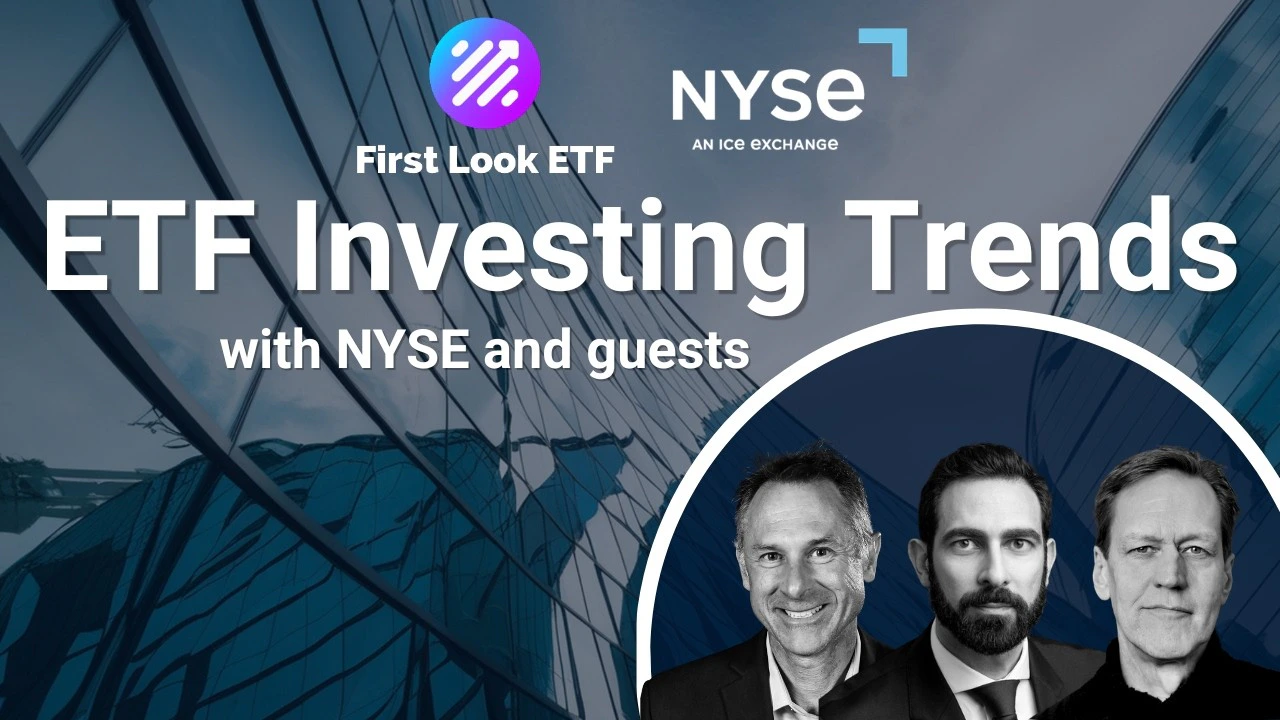
First Look ETF
First Look ETF: Cash Deployment, Bond, and Hedged ETFs
In this season 6 episode of First Look ETF, Stephanie Stanton examines the latest ETF marketplace trends with NYSE and guests.

ETF Trends
ETF Industry KPIs July 6, 2026
This week’s KPI data overview highlights key metrics and trends shaping the ETF landscape.
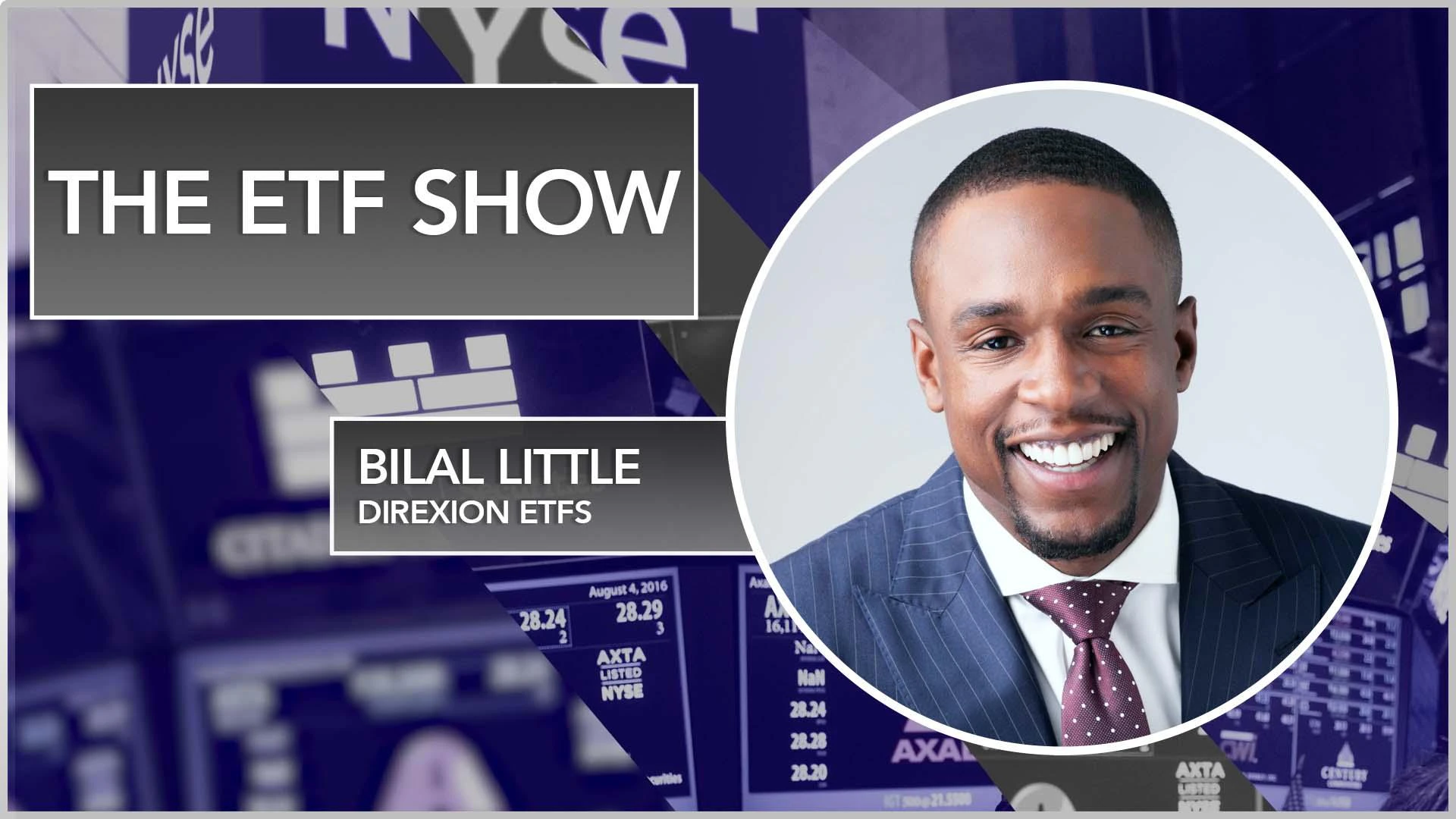
Asset TV
The ETF Show - The Evolution of Leveraged & Inverse ETFs
Leveraged and inverse ETFs have exploded in popularity over the past decade capturing more assets as retail traders seek to capture volatility.

Browse all educational columns



Expert-Built ETF Portfolios, All in One Place
Don’t start from scratch. Discover ready-made ETF portfolios built by professionals to match different goals, timelines, and market views. Use them as inspiration or as a starting point for your own allocation.