Explore professionally built ETF model portfolios. Discover now →



A Deep Dive into the New Amplify Weight Loss Drug & Treatment ETF (THNR)
Here's all you need to know about this new NYSE-listed thematic ETF.


Keep up with what matters in ETFs
Get timely ETF insights, market trends, and top ideas straight to your inbox.
Your newsletter subscriptions with us are subject to ETF Central's Privacy Policy and Terms and Conditions.
ETF investors are quick to jump from one trend to another, and the latest focus is on companies responsible for new weight loss drugs like Ozempic and Wegovy.
These medications have captured significant attention due to their effectiveness and the ongoing obesity crisis in the U.S. According to Morgan Stanley's research, these drugs have led to an average weight loss of 10-20% in users and lowered the risk of cardiovascular illnesses by around 20%.
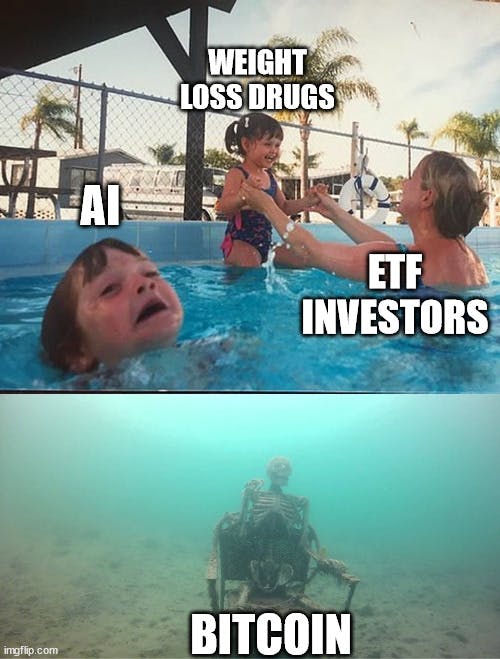
According to MarketResearch.biz, the weight loss drug and treatment market accounted for 260.7 billion in 2022 and is projected to surpass around USD 532.5 billion by 2032, reflecting a 7.6% CAGR.
In addition, a significant amount of resources and time is being spent on marketing these drugs, ranging from partnerships with distributors like Costco to collaborations with plus-size influencers.
ETF issuers have taken notice. The first ETF targeting this niche, the Tema Obesity & Cardiometabolic ETF
However, the same day OZEM was launched, the NYSE Arca introduced its own weight loss drug ETF - the Amplify Weight Loss Drug & Treatment ETF
Like what you're reading?
Stay in the loop — get the latest ETF insights: trends, analysis, and expert picks.
About THNR ETF
Unlike HRTS or OZEM, THNR will be passively managed. This means its managers will not be actively selecting stocks based on their own research. Instead, the ETF will track the VettaFi Weight Loss Drug & Treatment Index, a float-adjusted market-cap weighted benchmark.
To be eligible for inclusion in THNR's index, companies must meet two main criteria in addition to a minimum market cap requirement of $500 million:
- Drug Manufacturer Classification: Companies must be classified as drug manufacturers, specifically those who produce GLP-1 agonist drugs or are in clinical trials for such drugs.
- Enabler Classification: Companies must be classified as enablers, which includes those involved in the outsourced development and manufacturing of these drugs or those that support their production and distribution.
"Previously there was no pure play ETF exposure to this market segment," says Christian Magoon, CEO of Amplify ETFs. "Formerly the highest GLP-1 exposure ETF available (HRTS) combined its portfolio with cardio-related stocks which in fact may suffer as GLP-1 treatments actually have shown to reduce cardio-related risks," he says.
The weighting within the index is designed to emphasize manufacturers, allocating 70% to them, while the remaining 30% is allocated to enablers. Within each category, companies are market cap-weighted to ensure a balanced representation.
Expect quarterly rebalancing in March, June, September, and December. The ETF currently has an expense ratio of 0.59%, making it cheaper than HRTS, which charges 0.75%, but priced the same as OZEM.
THNR ETF Holdings
THNR's portfolio is designed to strike a balance between the high conviction of stock picking and the diversification of most ETFs. Currently, the ETF holds 20 stocks, offering significant global diversification.
While 51% of the holdings are from U.S. companies, there's also notable representation from Japan, Germany, Denmark, Switzerland, and the U.K., thanks to strong pharmaceutical industries in these developed nations.
The majority of industry exposure in THNR is naturally in biopharma, accounting for 77% of the portfolio. This is a consequence of the higher weight given to manufacturers. The remaining portfolio is invested in equipment and services and chemicals, reflecting the enablers' contribution to the index.
There is a strong focus on large-cap companies (those with a market cap of $10 billion or more), which make up 80% of the portfolio. This is due to the index's market cap-weighted methodology within each category, which also benefits liquidity.
"THNR is fairly concentrated with 20 holdings currently as it seeks to deliver pure play exposure to this market segment," Magoon explains. "Its top two holdings – Eli Lilly and Novo Nordisk - account for just over 30% of the portfolio."
Other top holdings U.S. investors may be familiar with include AstraZeneca, Amgen, Merck, Pfizer, and Thermo Fisher Scientific.
Please note this article is for information purposes only and does not in any way constitute investment advice. It is essential that you seek advice from a registered financial professional prior to making any investment decision.
Latest ETF News
See all ETF newsCould Water ETFs Be the Next AI Bottleneck Trade?

What is a Boomer Candy ETF?

ETF Comparison: NEOS Nasdaq-100 High Income ETF (QQQI) Versus Goldman Sachs Nasdaq-100 Premium Income ETF (GPIQ)




 Advantages of ETFs over Mutual Funds1/6
Lower Costs
In this guide, we'll explore the advantages of ETFs over mutual funds, giving you valuable insights into why ETFs have gained significant popularity among investors like yourself.
Leveraged ETFs: Unlocking the Potential for Amplified Returns1/6
Understanding Leveraged ETFs
Explore leveraged ETFs: potential for amplified returns & risks. 5 ETFs to consider across equities, commodities & fixed income.
What is a Leveraged ETF?1/6
Introducing Leveraged and Inverse ETFs
In this guide, we'll dive into the world of leveraged ETFs, exploring their definition, mechanics, potential risks, and rewards.
Recent educational content

ETF Trends
ETF Industry KPIs September 8, 2026
This week’s KPI data overview highlights key metrics and trends shaping the ETF landscape.

ETF Trends
ETF Industry KPIs August 31, 2026
This week’s KPI data overview highlights key metrics and trends shaping the ETF landscape.
ETF Trends
ETF Industry KPIs August 24, 2026
This week’s KPI data overview highlights key metrics and trends shaping the ETF landscape.
What’sTheFund
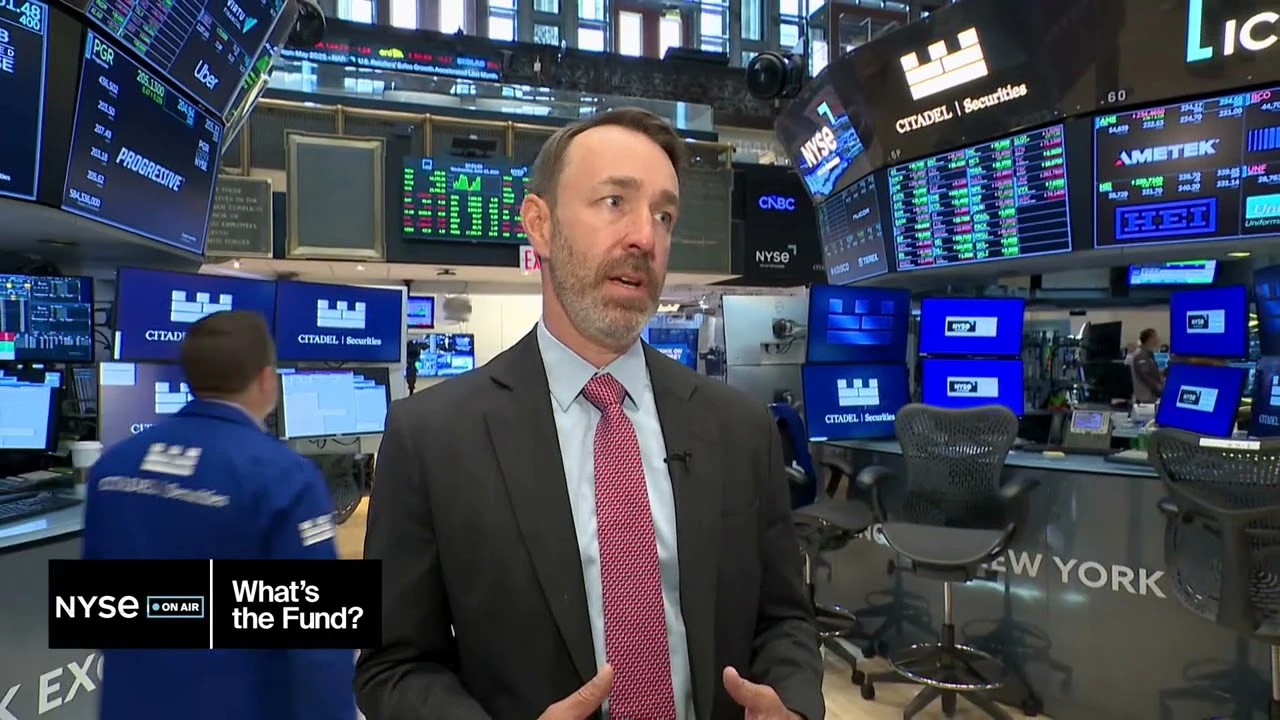
What's the Fund | Ocean Park Diversified Income ETF (DUKZ)
James St Aubin, Chief Investment Officer at Ocean Park Asset Management, discuss the DUKZ ETF, exposing investors to the whole spectrum of asset classes in the fixed income markets, through their rules-based process.

Browse all educational columns



Expert-Built ETF Portfolios, All in One Place
Don’t start from scratch. Discover ready-made ETF portfolios built by professionals to match different goals, timelines, and market views. Use them as inspiration or as a starting point for your own allocation.